File photo of fields during monsoon in India. (Shubham Singh/iStock/Getty Images)

Pulse weekly outlook: India pulse estimates improve

MarketsFarm — Conditions are still not looking good for India’s kharif (summer) production, and in particular for pulse crops. Excessive monsoon rains, followed by above-average post-monsoon rains, have hurt production, according to a report. The excessive rains resulted in flooding in 13 states in India and the National Bulk Handling Corp. (NBHC) estimated Monday that


Ranchers inundated by floodwaters

Ranchers inundated by floodwaters

Our History: June 2013

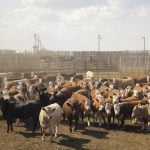
In a series of years starting in 1999, Manitoba’s southwest corner was again hit by excess moisture in 2013. The front page of our July 11 issue featured a photo of cattle along the swollen Maple Creek near Reston. The area had received as much as 15 inches of rain in the previous two weeks,


Editor’s Take: Fair’s fair

An old friend lives in Winnipeg along a major thoroughfare that’s slated for expansion at some yet-to-be-determined future date. He and his wife have lived there for nearly 20 years, and the word of the planned roadwork came down shortly after they bought the house. They’ve been told, in no uncertain terms, that once the

Ongoing flooding issues, such as this during the spring of 2011, have made an outlet channel a necessity.

Divided by a ditch: Landowners left in limbo

Lake St. Martin-area landowners say they can’t get on with their lives until the expropriation process ends

David Gall of Moosehorn doesn’t know where his family will be living in two years, nor does he know how much he will be paid for his house, his barns or the rest of his home quarter, land already expropriated by the province. Gall is among the Interlake farmers in the direct path of the


CBOT September 2019 corn with 20-, 50- and 100-day moving averages. (Barchart)

U.S. grains: Corn posts steepest drop in three years on USDA acreage view

Chicago | Reuters — U.S. corn futures plunged by the most in nearly three years on Friday after the U.S. Department of Agriculture (USDA) pegged U.S. planted acres well above trade expectations despite rains and flooding this spring that disrupted sowing. Soybeans firmed on USDA’s smaller-than-expected acreage estimate, while wheat fell in tandem with plummeting