
Widespread frost early May 30 caused minimal damage

Weekly Provincial Summary  The only remaining acres left to be seeded include greenfeed and millet crops and some isolated acres of canola, edible beans and soybeans.  Reseeding of some fields is still occurring as stands were impacted by either high winds, insect activity, disease, seed placement or dry soil conditions at time of seeding.  Most

Dry spell spooks wheat market

Adamaging global dry spell is wilting wheat crops in Kansas, threatening exports from Russia and slowing sowing in Australia, serving a timely reminder to hedge funds that a new era of surplus grain is far from assured. In their biggest surge since 1996, Chicago wheat prices jumped by more than 17 per cent in mid-May


High compound feed cost hits pig farmers

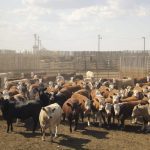
amsterdam / reuters Europe’s pig farmers are struggling to maintain production, caught between a slide in pork prices and a rise in the cost of protein-rich soymeal and rapemeal used in compound feed. The price of soymeal has surged nearly 40 per cent this year. Along with rapemeal it is used as the main source


A little more sunshine and a little less wind please

Weekly Provincial Summary  Seeding progress in Manitoba is estimated to be 92 per cent complete.  Majority of Manitoba received precipitation and accumulations varied from three mm up to 60 mm.  Stand establishment has generally been good to excellent for most crop types. However, reseeding of fields has occurred due to factors such as wind damage,

Windstorm sandblasts crops

Winds of up to 100 kilometres an hour toppled granaries, uprooted trees, ripped off shingles and sandblasted crops in south-central Manitoba May 14. In the aftermath, around 400 reseeding claims were submitted to the Manitoba Agricultural Service Corporation’s (MASC) insurance division as of May 18, said David Van Deynze, manager of claim services. “Canola, by


ADM worried about soybean supplies

Archer Daniels Midland Co. is “very concerned” about the potential for low U.S. soybean supplies due to a shift toward corn plantings, said Craig Huss, chief risk officer. Farmers are expected to increase corn plantings to a 75-year high this spring to take advantage of high prices, and to plant fewer acres of soybeans than