

Animal fats not so bad after all?

For several decades, substituting vegetable for animal fats has been the standard advice for preventing heart disease. But a new study published on the British Medical Journal website bmj.com suggests otherwise. Vegetable oils are rich in polyunsaturated fatty acids (PUFAs), of which the most common in western diets is omega-6 linoleic acid. British dietary recommendations

Glencore director questions corn-based biofuel

dubai / reuters / A director of commodity trading giant Glencore is questioning the conversion of corn into ethanol biofuel, saying it can contribute to higher prices. Critics of using foodstuffs to make fuel say the process can drive up food prices by reducing available supplies, hitting the world’s poorest people hardest. Responding to a


French farmers protest rules limiting nitrate pollution

French farmers are protesting what they see as burdensome environmental regulations linked to European Union targets on water quality. Environmental rules have become a major grievance in recent years for French farmers, who blame such measures for eroding their competitiveness. Last month’s protests, including a pre-dawn street blockade near the Farm Ministry in Paris, were

WHO issues its first guidelines for sodium intake for children

Reuters / The World Health Organization (WHO) has for the first time recommended limits on children’s daily consumption of sodium, which it hoped would help in the global fight against diet-related diseases becoming chronic among all populations. In advice to its 194 member states Jan. 31, the UN agency noted high sodium levels were a


Black carbon a worse pollutant than feared

Reuters / Black carbon, the soot produced by burning fossil fuels and biomass, is a more potent atmospheric pollutant than previously thought, according to a new study. Emitted by diesel engines, brick kilns and wood-fired cookstoves, black carbon is second only to carbon dioxide as the most powerful climate pollutant, according to the study published

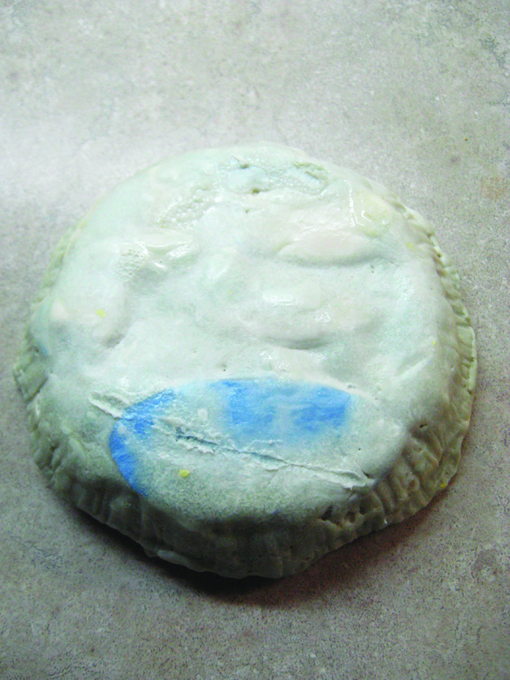
This mixture of soap bits is one of our ways to recycle and reuse.

Reduce, recycle, reuse

My wife acts as the recycling police in our household; I dare not throw even the smallest piece of paper into the garbage without fear of reprimand and she constantly surprises me with her ingenuity when it comes to her efforts to reduce, recycle and reuse. One day I noticed a curious-looking bar of soap


Add some colour to winter menu

This may help prevent some health issues as well as brighten up the plate Nutrition experts recommend that we increase green and orange vegetables in our diets. Eating more brightly coloured vegetables may play a role in reducing our risk for cancer, heart disease and potentially blinding eye conditions. For example, broccoli, along with other


Dietary shifts driving up phosphorus use

Rising meat consumption, and calorie intakes are 
complicating efforts to conserve essential resource

Dietary changes since the early 1960s have fuelled a sharp increase in the amount of mined phosphorus used to produce the food consumed by the average person over the course of a year, according to a new study led by researchers at McGill University. Between 1961 and 2007, rising meat consumption and total calorie intake

Weeding out resistant weeds the old-fashioned way

If hand roguing a commercial farm field in Manitoba seems like an outlandish investment of your time, you might reconsider after seeing Ingrid Kristjanson’s photos from North Dakota. Judging from the astonished whistles by some in the St. Jean Farm Days audience earlier this month, the farmers in attendance were inspired, to say the least,