
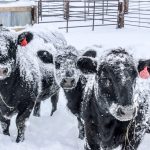
On-farm inspections are the first hurdle for beef producers hoping to sell into the European Union.

Stand and be counted: beef industry seeking vets for EU compliance inspections

The Manitoba Beef Producers is teaming up with the Manitoba Veterinary Medical Association to streamline the hunt for an on-farm inspector

Technically beef producers have been able to sell their product into the EU since 2017 when the Canada-EU Comprehensive Economic and Trade Agreement (CETA) came into effect. But in practice a number of regulatory issues have stalled any progress including Europe’s insistence on hormone-free beef and the use of carcass wash not approved in the

After how a romaine lettuce recall was recently handled, you can’t blame consumers for continuing to avoid certain leafy vegetables.

Comment: Romaine calm

An industry-led food safety program appears to have got complacent and self-congratulatory

So, we finally went from a slew of alerts on romaine lettuce to a series of clearcut recalls affecting various produce items, including romaine lettuce and cauliflower. This is the worst time of year for Canadians as our economy is more vulnerable to outbreaks in imported produce. Chances are cauliflower will be very expensive and


spraying farm field agriculture working equipment fragment

Opinion: The glyphosate challenge

The roller-coaster ride for the use of glyphosate continues due to recent rulings in California and Brazil. These decisions have been closely watched by both those who see the need to use this product and by those who are concerned about its effects on human health. Recently a California judge rejected Monsanto’s appeal of a

Non-royalty wheats will continue to be an option

Non-royalty wheats will continue to be an option

Industry officials say seed companies are unlikely to deregister varieties to limit farmers’ choices in an effort to collect more royalty money

If new proposed cereal royalties are implemented farmers will pay more for seed, but they can also choose to grow varieties not covered by the new regulations. That’s according to Plant Breeders’ Rights Commissioner Anthony Parker. But for how long? At least 2021 and probably longer, says the Canadian Food Inspection Agency, which oversees seed


Minto farmer David Rourke told KAP’s advisory council meeting Nov. 12 he’s reluctant to support one of the two royalty options being proposed when there could be a third option. Rourke said the publicly funding cereal variety development system has served farmers well and said he’s skeptical about how much more value the private sector can deliver.

KAP has no position on proposed seed royalty options yet

Delegates raise concerns about higher seed costs ahead of the first consultation meeting in Winnipeg Friday

The Keystone Agricultural Producers (KAP) is still working out its position on a proposal for seed companies to collect more royalties from farmers on cereal seed, which proponents say will aid farmers by encouraging more variety development. Meanwhile, the first of the federal government’s four consultation meetings on the proposal is being held at the

Farmers have long sown saved seed, but that could start coming with a price tag under two proposed royalty systems.

Royalty shift could equal more costly seed for farmers

Proposal proponents tout farmer access to better varieties because of market incentives

Nobody likes paying more. But it’s also often said you get what you pay for. That’s the dilemma facing Canadian farmers being consulted about new options for paying higher royalties on cereal and pulse seed. It’s said those royalties will encourage foreign and domestic investment in variety development, which supporters of the options say will


Deadline Nov. 2 to register for seed royalty meetings

The proposal is for farmers pay more for seed, but the proponents say the payoff is better varieties

The deadline register to attend meetings to discuss ways for farmers to pay more for cereal and pulse seed so plant breeders have more money to develop superior varieties is Friday Nov. 2. The consultations being led by Agriculture and Agri-Food Canada (AAFC) and the Canadian Food Inspection Agency (CFIA) focuses on two options —

Dried Ear of Cereal crop in studio isolated against white background.

Comment: Limit Canadian Grain Commission to oversight role

The vast majority of buyers seek third-party certification these days

The retention of the Canadian Grain Commission (CGC) surplus by the CGC itself raises a host of questions on the organization’s purpose, services and sources of funding. The CGC’s budget is covered through user fees paid by the farmer through grain companies. It is important to note that industry has no say in the establishment


Overregulation a crushing burden for agri-food sector

A new report says the sector is particularly burdened by red tape

A new report on the cost of overregulation has singled out the agri-food sector for special attention. The report by the Canadian Chamber of Commerce, titled Death by 130,000 cuts in reference to the number of federal regulations alone, said too much red tape is weakening Canada’s international competitiveness and dampening foreign investment. There are

Academics say GM wheat possible subversion

Academics say GM wheat possible subversion

No one has offered an explanation for wheat to appear after 17 years, and far from its original plot

The Canadian Food Inspection Agency needs to keep investigating the still-unknown variety of genetically modified wheat found in Alberta last year, says the Canadian co-author of an article that speculates on who could have planted it. Rob Wager of Vancouver Island University, who specializes in biochemistry and molecular biology, is the co-author of ‘The Mystery