Manitoba’s southwest has historically been considered a bit on the dry side, but that reputation was beginning to change in 1999. Our June 3 issue featured several stories on dealing with that year’s deluge. Many farmers were said to be seeding from hilltop to hilltop, aerial sprayers were hoping for federal government approval to apply glyphosate and Manitoba Crop Insurance was considering a deadline extension. Area vets reported many cases of pneumonia, scours and coccidiosis in calves because of the wet conditions.
As today, antibiotic resistance resulting from its use in livestock feed was a concern, and EU scientists were recommending a phase-out. Above that story was one about Prince Charles and his concern about the safety of genetically modified food.
Read Also
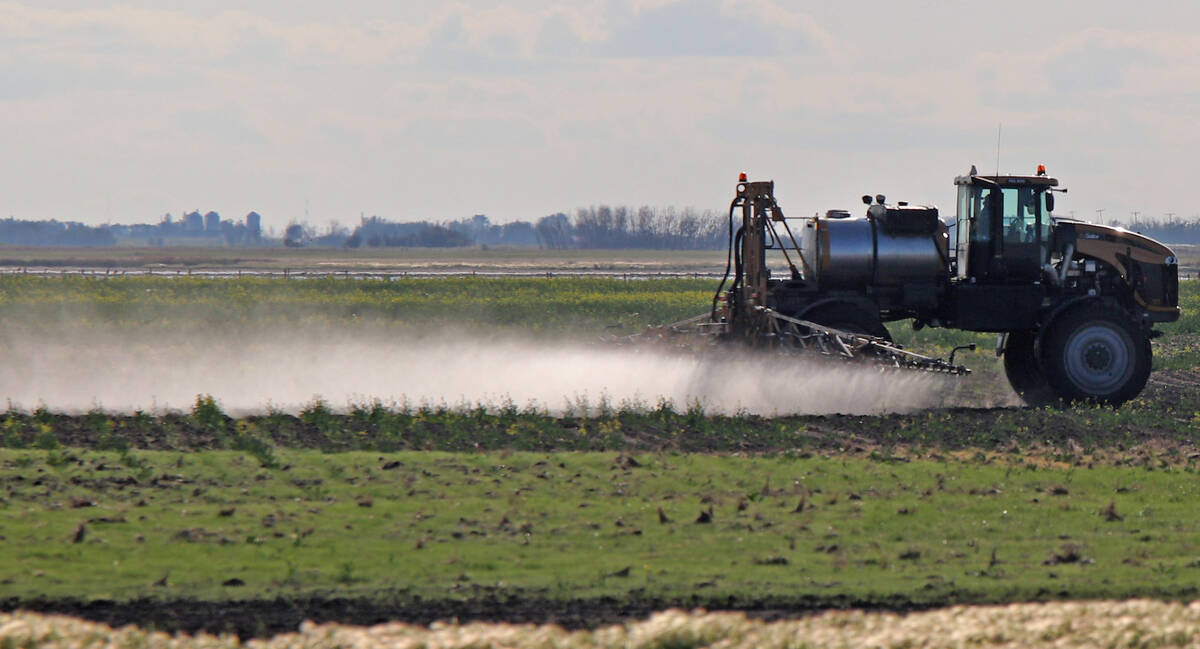
Herbicide-resistant weeds now on 72 per cent of surveyed Manitoba fields, costing farmers $77M a year
About 72 per cent of Manitoba fields last surveyed have herbicide resistance, says report — and that’s costing farmers big money.
Insect resistance to pesticides was also in the news — an Agriculture Canada scientist said 90 per cent of the potato beetles tested in Manitoba were highly or totally resistant to at least one chemical family.
We reported on yet another barn fire with a large loss of hogs, and our editorial called for action — over the previous five years there had been an average of 46 barn fires per year with an average loss of $4.2 million.
The boom-bust U.S. dairy market was back into a boom phase, and U.S. producers were scouring the Canadian countryside for replacement heifers. Manitoba livestock broker and now-MP James Bezan said he had been selling more than 100 animals per month into Minnesota and Wisconsin.