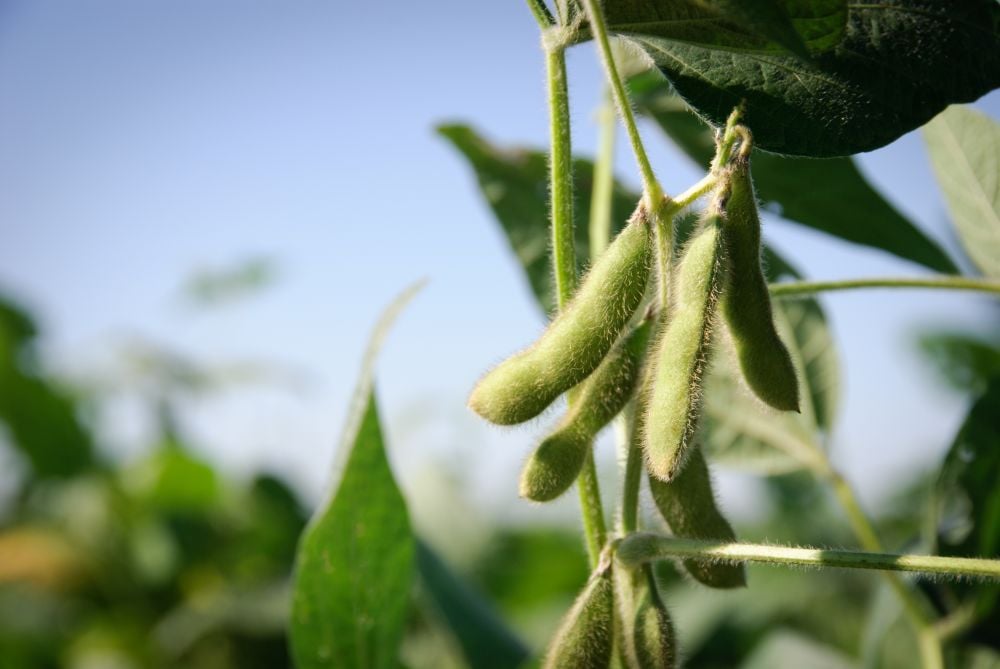


(USDA.gov via Flickr)

Grains drop, soy firm following WASDE report

MarketsFarm — Monthly supply/demand data from the U.S. Department of Agriculture were supportive for soybean prices but bearish for corn and wheat, with adjustments to yields and harvested acres providing a number of surprises. Corn futures saw the largest immediate reaction at the Chicago Board of Trade, as average yields were unexpectedly raised to 168.4


U.S. grains: Corn falls; wheat, soy rise

U.S. grains: Corn falls; wheat, soy rise

Chicago | Reuters — U.S. corn futures dropped on Friday while soybeans and wheat edged higher in muted trading as investors waited for the U.S. government’s monthly update to harvest projections. Corn futures remained under pressure from profit-taking after prices jumped to a seven-week high on Tuesday. The market shrugged off long-awaited news that the

The USDA building in Washington, D.C. (Art Wager/iStock/Getty Images)

Global wheat production to decrease, USDA says

MarketsFarm — In the latest supply and demand report from U.S. Department of Agriculture (USDA), the global wheat forecast was revised downward due to difficult weather conditions. USDA has now projected 765.53 million tonnes of wheat to be produced in 2019-20, according to the department’s world agriculture supply and demand estimates (WASDE), released Thursday. That’s


The Chicago Board of Trade building on May 28, 2018. (Harmantasdc/iStock Editorial/Getty Images)

CBOT weekly outlook: Expected U.S. soybean, corn yields down

MarketsFarm –– The U.S. Department of Agriculture (USDA) September supply and demand report saw downward revisions for corn and soybeans, but kept its estimates for wheat where they were in August. The department on Thursday released its new world agricultural supply and demand estimates (WASDE). “Prices rallied after the report came out because of the

CBOT December 2019 corn, with 20-, 50- and 100-day moving averages. (Barchart)

U.S. grains: Crop condition rating lifts corn

Chicago | Reuters — U.S. corn futures rebounded on Tuesday from four-month lows struck in the previous session after the U.S. Department of Agriculture said the U.S. crop’s condition unexpectedly declined over the past week. Soybeans followed corn higher despite steady crop condition ratings, as worries about lower yields in the late-developing crop underpinned prices.


Little to shake canola from being range-bound

Little to shake canola from being range-bound

Despite two reports over the last 10 days, there hasn’t been anything significant enough to shake canola from being range-bound. As the markets waited with breath held for the latest supply-and-demand report from the United States Department of Agriculture (USDA) released August 12, there was speculation the report would have a strong spillover effect on

Corn acres harvested for grain, which are more important to production than actual planted area, came in at 82 million acres.

Opinion: Resetting U.S. corn expectations after USDA’s acreage shocker

It would appear corn acreage actually 
is far higher than anyone expected

Reuters | Chicago – For the second time in less than two months, overly aggressive market expectations for the U.S. corn crop tanked Chicago corn futures August 12, when the U.S. Department of Agriculture published its latest round of reports. Analysts did not think it was possible for U.S. farmers to have planted as many


CBOT November 2019 soybeans (candlesticks) and December 2019 corn (line). (Barchart)

CBOT weekly outlook: Market bearish ahead of WASDE

MarketsFarm — Prices for commodities on the Chicago Board of Trade have been “under pressure and on the defensive” due to the lingering trade war between the U.S. and China, improved weather, and an unclear picture of planted acres. “Less threatening U.S. weather, coupled with the lack of China buying U.S. agriculture products, have definitely