soybeans and soybean pods

Soybean yields may be major thorn in bulls’ sides: Braun

All signs are pointing to a bin-busting U.S. soybean crop that could upend markets

Expectations surrounding the U.S. soybean crop keep growing. Not only is a reality check in order — in terms of whether such big yields are even possible — but the impact on domestic stocks may be of greater interest. Analysts were expecting soybean yields to rise to 51.5 bushels per acre in the U.S. Department

CME soybean monthly nearby (chart as of November 25, 2015).

Drozd: Bear market intact with soybean market

The soybean market has lost 53 per cent of its value since its peak in 2012

The soybean market has been under pressure since it topped out at the historical high of 17.945 on September 4, 2012. This was a pivotal day, as it marked the end of the bull market rally and the beginning of the ensuing bear market. Now down to $8.44, the soybean futures market has lost 53


soybean futures pricing chart

Drozd: Soybean market falls to a new low

The November futures contract is stuck in a downward trend

The soybean market has been under considerable pressure. The weakness started after a head-and-shoulders top developed on June 30, 2014. This classic reversal pattern was featured in my August 2014 column and I’ve also illustrated it in the accompanying chart. What a difference a year makes! The daily soybean futures contracts are trading at new

canola seedling

U.S. production prospects drag on canola values

U.S. wheat’s corrective bounce is unlikely to stick

ICE Futures Canada canola contracts bounced up and down within a relatively narrow range during the week ended May 14, but finished right around where they started as the uncertainty of this year’s North American crop kept some caution in the market. After waiting for a spring rally that never came, attention must now turn


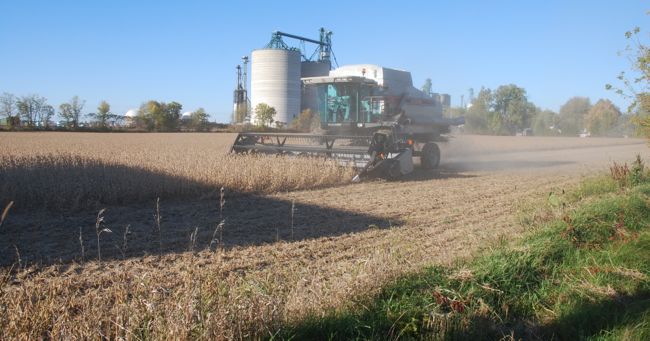
Farmers have been delayed in harvesting their soybeans across much of southern Ontario. (Ralph Pearce photo)

Pearce: Short-term price rally may be just that

In most circumstances in business and farming, the saying “slow and steady wins the race” is true more often than not. Since the start of 2014, farmers have been hearing about a downturn in commodity prices. A high carryout from the 2013 crop in the U.S. (and continued growth in other parts of the world)

Bob Connor, a plant pathologist at Agriculture and Agri-Food Canada’s Morden Research Station, explained some of his work on bean diseases, including white mould, 
common bacterial blight and anthracnose during the Manitoba Pulse Growers Association’s tour of the station Aug. 7. Part of Connor’s funding comes from a levy on pulse crops sales.  

New-crop edible bean outlook bearish

But lots can change between now and when the crop is finally in the bin

Spot prices haven’t been established for new-crop edible beans yet, but the outlook is bearish. “The chatter at the recent Dry Bean Council conference down in Coeur d’Alene, Idaho over the last four days was pretty much 100 per cent bearish,” Calem Alexander, Viterra senior field representative based in Carman told the Manitoba Pulse Growers