
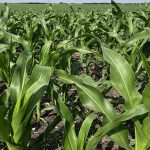
Manitoba Agriculture has recently confirmed more cases of Tall waterhemp in the province. It’s a tier-one noxious weed that must be destroyed no matter where it’s found.

New cases of Tall waterhemp found in Manitoba

This is a Tier 1 noxious weed that Manitoba Agriculture wants to prevent from spreading

Tall Waterhemp has been confirmed in four new Manitoba fields and there are rumours of more, Manitoba Agriculture weed specialist Tammy Jones said in an interview Aug. 2. Tall Waterhemp is a Tier one noxious weed that must be destroyed no matter where it’s found, but that can include hand weeding within crops where practical,

Aaron Vanbesclaere (left) gets a lesson on Japanese brome from ACC instructor Danielle Tichit 
during a Weed Seedling Identification Day in Brandon May 29.

On the watch for downy and Japanese brome

Downy and Japanese brome have been considered invasive species in Manitoba for years and weed experts are asking farmers to keep an eye out for them

Those grassy weeds popping out of the ground might be hiding a noxious surprise. Tammy Jones, Manitoba Agriculture’s weed specialist, says she is concerned about both downy and Japanese brome, both Tier 2 noxious weeds that have been digging roots in parts of Manitoba. Both species have been present in Manitoba for years, although Jones


Palmer amaranth.

Is palmer amaranth waiting in the wings?

Experts weigh in on palmer amaranth, its climbing stats to the south, and the chance we might see the weed cropping up in Manitoba

Provincial weed specialist Tammy Jones says it’s not time to push the panic button on palmer amaranth, despite new cases reported in North Dakota. Manitoba has cast a closer eye to the situation now that the noxious weed has been spotted in the neighbouring state. “We knew it was in South Dakota, so the expectation

leafy spurge weed

Manitoba overhauling Noxious Weeds Act

Noxious weeds will be listed in three tiers with control action 
based on the threat to agriculture and natural areas

The Manitoba government is overhauling one of the oldest laws on its books — the Noxious Weeds Act — to bring it into line with current weed threats in the province. If passed, Bill 32, the Noxious Weeds Amendment Act, will put into statute much of what is already common practice — controlling weeds commiserate


Steve Kenyon talking about pasture weeds

Steve Kenyon: The weed whisperer

Alberta cattle farmer shares his 
tips on successful practices

When Steve Kenyon speaks to producers about pasture management, he likes to rile up the crowd. “There’s no such thing as weeds,” he said to cattle farmers gathered in the Boissevain community centre last week. “What we call a weed is just a plant that hasn’t learned to grow in rows yet. Or we haven’t

Western water hemlock is a deadly killer of cattle

This year’s wet spring has seen increased sightings of western water hemlock — one of the most poisonous plants known in cattle production. Prior to 2006, I had only seen one occurrence of this highly toxic plant in 25 years of practice. This year, several multiple plants have been found a great distance apart in


Leafy Spurge Losses Continue To Mount In Manitoba

More than 10 years after it was identified as a major weed pest in Manitoba, leafy spurge is now a much worse problem than ever. A new survey says leafy spurge infests over three times as many acres and produces twice as much financial damage as it did in 1999, when the last survey was


Change Constant With Weeds Legislation

Change has been a constant since the Noxious Weeds Act was first introduced in 1870, according to MWSA president John Johnston. The original act was mainly a recognition that the spread of some weeds needed to be controlled. It was rewritten in 1883 to transfer responsibility for controlling invasive and troublesome plants to landowners, and

Weed Supervisors Discuss Wish List

“If the act is opened up now, what will it look like in the end? There are a number of special interest groups out there that will insist upon having their issues addressed in the act.” – JOHN JOHNSTON Proposed changes to the Noxious Weeds Act, including hikes in special levies and notices to destroy,