
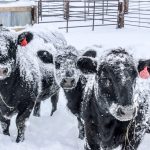
Cold-weather-proof biogas project to demonstrate renewable energy viability

Capturing methane gas from manure is taking the world by storm — in warm countries. In energy-poor countries of Southeast Asia, for example, biodigester facilities are popping up like mushrooms, including on large-scale livestock operations seeking less expensive and more reliable power, as well as ways to reduce odour and create a new revenue stream

Making Money From Muck

Nearly 700 Australian piggeries could benefit from the new rules that set out how farmers can capture, measure and destroy methane from pig waste. Methane is a powerful greenhouse gas and is 21 times more effective in trapping heat in the atmosphere than carbon dioxide. Under the domestic offset scheme called the Carbon Farming Initiative,


Kill A Camel, Save The Planet

Killing camels to earn carbon credits might seem an extreme way to fight climate change, but the Australian government issued detailed rules June 2 that will help investors do just that. Adelaide-based Northwest Carbon, a carbon project developer, has developed the rules, or methodology, governing a strict camel-culling program that would also cut greenhouse gas

Belching Bovines More Climate Friendly Than Thought

Australia’s huge cattle herd in the north might be burping less planet-warming methane emissions than thought, said a study released on May 27, suggesting the cows are more climate friendly. Cattle, sheep and other ruminant livestock produce large amounts of methane, which is about 20 times more powerful at trapping heat than carbon dioxide. One


Cold Weather Makes Cattle “Greener”

Cattle emit less methane in the winter than in summer, a recent study has discovered. And now that the results have been sent to the Intergovernmental Panel on Climate Change, scientists will use it to develop a more accurate picture of the true contribution of ruminants to global warming. Previously, the IPCC had not taken

New Diets For Cows, Sheep Could Cut Emissions

New diets for cows and sheep could reduce their greenhouse gas emissions, research funded by the British government’s Department for Environment, Food and Rural Affairs (Defra) shows. Feeding the animals maize silage, naked oats and higher-sugar grasses could reduce the amount of methane they produce, the study by Reading University and the Institute of Biological,


Air Pollutants Eyed From Poultry Barns

The federal government could shut down barns because they emit toxic air pollutants. It hasn’t happened yet, nor is it likely to happen without plenty of warning. But the fact remains that the gases and tiny particles coming from barns include ones that are officially deemed toxic and open to regulation. Dr. Bill Van Heyst,

Methane Emitter Or Carbon Sink?

“…if you drain that wetland and convert it into cropland, you’re just exchanging that methane problem for a nitrous oxide problem.” – PASCAL BADIOU Tackling the threat of global climate change is tough enough; it’s harder still when you aren’t even sure of the culprits. For example, cattle emit methane, but good grazing management practices


Manitoba Farmer Gives Commons Committee An Earful

Politicians and farm groups spend too much time debating marketing boards, the Canadian Wheat Board and farm safety nets and not enough on what will really help producers, a southwestern Manitoba farmer told the Commons agriculture committee recently. “Those three areas of policy suck 90 per cent of the oxygen out of the ag policy

Carbon Offsets Could Reduce The Stink From Manure Lagoons

“Ninety-five per cent of the odour is gone.” – LEONARD HOFER Cutting the stink from manure storage lagoons doesn’t earn farmers a cent, but capturing and destroying the methane lagoons create might. Preferred Carbon, Farmers Edge Precision Consulting, the University of Manitoba and Starlite Colony have set up a pilot project to study to see