PHOTO: thinkstock

Insect farms: Investors see big profits in thinking small

Flies fed garbage become an environmentally friendly source of protein

When it comes to resolving a big global food problem, a new breed of farmers and their financial backers are thinking small. Work on the world’s largest fly farm has begun in South Africa after the European firm behind the project won much-needed funding from investors, propelling the use of insects as livestock feed beyond

The symptoms of lameness related to ergot toxicity can be mistaken for foot rot in the initial stages, but do not respond to treatment.

Frozen ears and feet— but not from the cold

Ergot contaminated feed is causing a wide range of easily misdiagnosed herd health problems in Western Canada

Long, brutally cold Prairie winters could be masking signs of a serious toxin lurking in livestock producers’ feed bins, a University of Calgary veterinary professor warned feed and livestock industry officials recently. Dr. Eugene Janzen, assistant dean of clinical practice, said he was initially perplexed in the winter of 2013 when he observed Alberta feedlot


Man speaking into microphone

KAP leaders asked to be more vocal on livestock issues

Issues ebb and flow but producers like to know their organizations 
are paying attention to their concerns

Keystone Agricultural Producers (KAP) leaders have been asked to pay more attention to problems facing Manitoba’s livestock producers. “I’d like to see KAP try to create more awareness in the future when it comes to livestock issues and at least mention it more often,” George Matheson, Manitoba Pork Council’s KAP representative, said during KAP’s general

Man feeding cattle hay from a truck.

California drought delays cattle herd building

More feedlots, 
packing plants may fail

California’s recent rains brought only short-term relief to the state which is suffering its worst drought in a century, leaving cattle rancher Kevin Kester to stick to his strategy of salvaging as much of his operation as possible for his three children to have a future in the cattle business. “We have a plan to


Man speaking.

Scientific claims won’t counter ethical questions about animal welfare

Pork producers can say that consumers don’t get it, that science is the basis for welfare and that castration doesn’t hurt, but the public won’t buy it — and that’s bad for business

If you’re a pork producer trying to convince someone your welfare practices are up to snuff, the last words you should pull out of your phrase book are “science” and “based.” Speaking to representatives of Manitoba’s pork industry during the annual Swine Seminar in Winnipeg, Dr. Tim Blackwell outlined the pitfalls and missteps that hurt

Picture of Plains Processors facility.

New Carman beef slaughter plant targets spring opening

Rising cost of trucking means the future belongs to small regional slaughter plants, says owner

Construction of Manitoba’s first new federally inspected slaughter plant in decades is steaming along, and its owner expects 50-75 head of cattle per week to start coming down the ramp early this spring. “The engineers tell me we’re going to be killing cattle by the end of March,” said Calvin Vaags, owner of the slaughter


Weekly livestock auction

For week ending Nov. 22, 2013

The first real snowfall of the year, seen on Nov. 17, didn’t keep the cattle away at Manitoba’s auction yards during the week ended Nov. 22. The snow made for some messier conditions and caused a few cancellations here and there, but overall didn’t interfere too much with cattle marketing in Manitoba during the week.


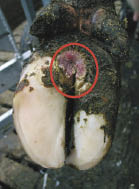
Cases of strawberry foot rot may go unnoticed because there is not much swelling evident at first.

Strawberry foot rot is on the increase in feedlots

An infection previously mostly found in dairy cattle is showing up in some western feedlots

It has come to my attention that “strawberry foot rot” or “hairy heel wart” or “Montellaros disease,” which was once considered a dairy disease is now making its way into feedlots in Eastern Canada. The disease is potentially caused by a treponema bacteria. The infection starts at the back of the hoof on or near