
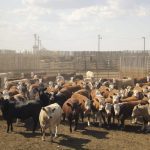
Canola prices slide as harvest begins

Weather issues continued to dominate the price patterns experienced by the oilseed markets located on the ICE Canada platform and the Chicago Board of Trade during the week ended July 27. The price movement in both resembled that of a roller-coaster with the up-and-down movement far from being over. ICE canola futures lost $36 to

Déjà vu all over again?

You could say a lot about the federal government’s process for ending the Canadian Wheat Board’s single-desk monopoly this week, and many have. But you have to admit Gerry Ritz’s timing was impeccable. Or rather, he lucked out. With commodity prices soaring due to the fiercest drought to grip the U.S. in more than half


Scout now for blackleg to prevent future infections

Manitoba canola growers are being urged to check their fields for blackleg infections. Two severely infected fields were discovered recently in the province, even though the varieties were rated as blackleg resistant. “It’s the worst blackleg I have ever seen and I’ve been looking at blackleg in canola since the late ’90s,” Anastasia Kubinec Manitoba

CWB monopoly ends,open market begins

As the fluffy, golden-awned heads of barley flowed seamlessly into Ron Sabourin’s combine last week, he was more focused on getting this year’s crop in the bin than he was with the dawn of a new marketing era in Western Canada. Sabourin started pricing out this year’s wheat last December and doesn’t plan to use


What spring wheat variety is right for you?

Pest and disease challenges are reducing AC Barrie acreage, 
but the alternatives require some careful thought

Just a few short years ago the questions surrounding planting spring wheat were fairly straightforward — such as how many acres and how did it pencil out. A question that very rarely came up in Manitoba was what variety to plant — it was all but certain that the seed that went into the ground


Nebraska irrigators cut off

Reuters / More than 1,100 farmers in Nebraska have been ordered by the state’s Department of Natural Resources to halt irrigation of their crops because the rivers from which they draw water have dropped due to a worsening drought. The orders come as the central United States is enduring the worst drought since 1956, which

Winter wheat harvest kicks into high gear

Weekly Provincial Summary  Winter wheat harvest continues. Yields are ranging from 50 to 100 bushels per acre with good test weights, low levels of fusarium-damaged kernels and protein levels ranging from eight to 13 per cent.  Swathing of the earliest-seeded spring wheat, barley and canola fields has started.  Symptoms of heat and moisture stress, including


USDA opens idle land for livestock feed

washington / reuters / U.S. farmers facing the worst drought since the 1950s can use environmentally fragile land for livestock feed, the U.S. Government said July 23, as it also asked crop insurers to give growers more time to pay premiums. Agriculture Secretary Tom Vilsack announced those steps during a teleconference from Iowa and called

An early seeding start is not worth the risk

Test plots seeded this April ducked frost but didn’t gain much of a head start because soil temperatures were too low

If you ask a group of farmers what’s at the top of their wish list in early March, many would say an early spring, because it eases the logistical challenges of seeding large acreages and reduces the odds of being caught by an early-autumn frost. This year’s exceptionally early spring had the phones ringing off