

(Stephen Ausmus photo courtesy ARS/USDA)

Avian flu hits more Alberta, Ontario poultry flocks

Alberta cases spread north, east

Three additional poultry flocks in central Alberta and one in eastern Ontario were confirmed over the weekend to be infected with highly pathogenic avian influenza. The Canadian Food Inspection Agency said Monday it had confirmed high-path H5N1 avian flu on Friday in a commercial poultry flock in Kneehill County, between Calgary and Red Deer, and
The feather sector in Manitoba could be facing the arrival of high-path avian influenza as migratory birds from hot zones to the south touch down in the province.

Poultry sector in the line of fire

Experts concerned that migratory birds from the U.S. might bring Manitoba’s first brush with highly pathogenic avian flu in 12 years

The province’s chief veterinary authority is watching this year’s arrival of migratory birds with a wary eye. This year, it worries, those birds may come with a side order of highly pathogenic avian flu (H5N1). As of March 31, the U.S. Animal Plant Health Inspection Service (APHIS) had confirmed avian influenza at 95 farm sites,


“It’s a frightening scenario when these weeds get here and they start infesting our cropland.” – Kim Brown-Livingston.

KAP to lobby CFIA to add Palmer amaranth to noxious weeds list

The yield-devastating weed is ubiquitous just across the U.S. border and resists most herbicides

Keystone Agricultural Producers (KAP) members voted to ask the Canadian Food Inspection Agency to get Palmer amaranth added to its list of noxious weeds during the organization’s AGM on January 25. The weed made its first confirmed appearance in Manitoba this summer. It is widespread in North Dakota and much of the United States. Palmer

Comment: With gene editing, let’s not repeat the same mistakes

Comment: With gene editing, let’s not repeat the same mistakes

Consumers will reap many benefits from this new technology, but their needs should be respected

We have now heard that Health Canada is likely to treat gene-edited crops differently from genetically modified crops, or GMOs, which means the oversight provided by the Canadian Food Inspection Agency would look very much like the one we see for conventionally bred crops. This issue is obviously far removed from consumers but will certainly


File photo of a Prince Edward Island potato field. (Onepony/iStock/Getty Images)

‘Expedited’ potato wart survey helps make case for P.E.I., CFIA says

National survey done 'ahead of schedule'

A national survey finding no potato wart in any “unregulated” Canadian fields should offer the reassurance on Prince Edward Island potatoes that trading partners such as the U.S. are now looking for, the Canadian Food Inspection Agency says. CFIA on Thursday reported it has completed this fall’s national survey for the soil-borne fungal potato disease

Plant developers (mostly large biotech companies) will decide for themselves whether their product meets the criteria for regulation.

Comment: CFIA gene editing proposal problematic

The rules being floated are not science based or transparent

Canada is deciding how to regulate gene-edited plants – and is largely proposing not to. The Canadian Food Inspection Agency (CFIA) is responsible for regulating genetically engineered (genetically modified or GM) plants for environmental safety under the Seeds Act Regulations – Part V. These regulations define what is considered a “Plant with Novel Traits” (PNTs)


Producers say the increased compensation levels are security for if a disease threat raises its head.

Bison sector praises boosted CFIA compensation

Payouts for destroyed stock would more than double under the proposed changes

Bison producers may soon expect more money, should the Canadian Food Inspection Agency (CFIA) ever order some of their stock euthanized due to disease threat. Why it matters: The bison industry says, previous to proposed changes, market value was far outstripping what it could have expected to be paid by the CFIA for destroyed stock.


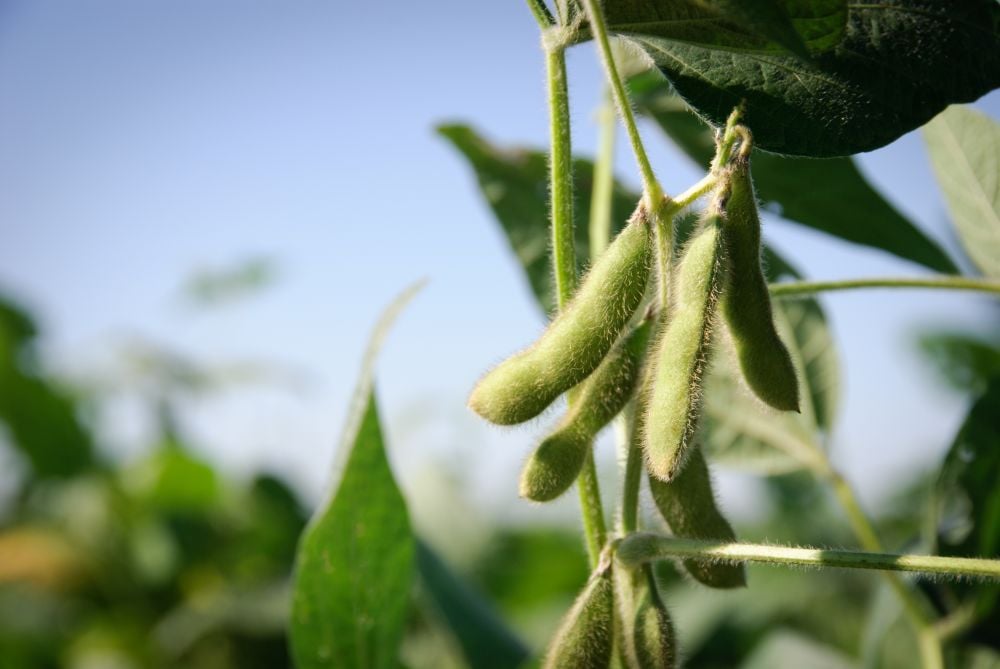
Soybean growers need to be aware that a number of older varieties are about to see their registration cancelled at the start of the new crop year, August 1.

Know the soybean varieties you’re planting

A long list will see their registrations cancelled Aug. 1 and that could affect how they are sold

Manitoba farmers should take note of the soybean varieties they’re planting this spring. More than two dozen will have their registrations cancelled Aug. 1, which could affect crop marketing, says Manitoba Agriculture and Resource Development pulse crop specialist Dennis Lange. The surest way to know is by planting certified seed. “The way I view soybean

COVID-19 outbreaks have occurred at several processing plants in Canada, resulting in extended closures and, in some cases, employee deaths.

Food worker union blasts safety measures, foreign worker system

UFCW told parliamentary committee that the pandemic has been very difficult for food sector employees

A union representing thousands of Canadian food workers says “consistency and enforcement” remain a problem when it comes to responses for its members during the COVID-19 pandemic. Derek Johnstone, special assistant to the national president of the United Food and Commercial Workers Union of Canada (UFCW), told a parliamentary committee on Feb. 18 that the