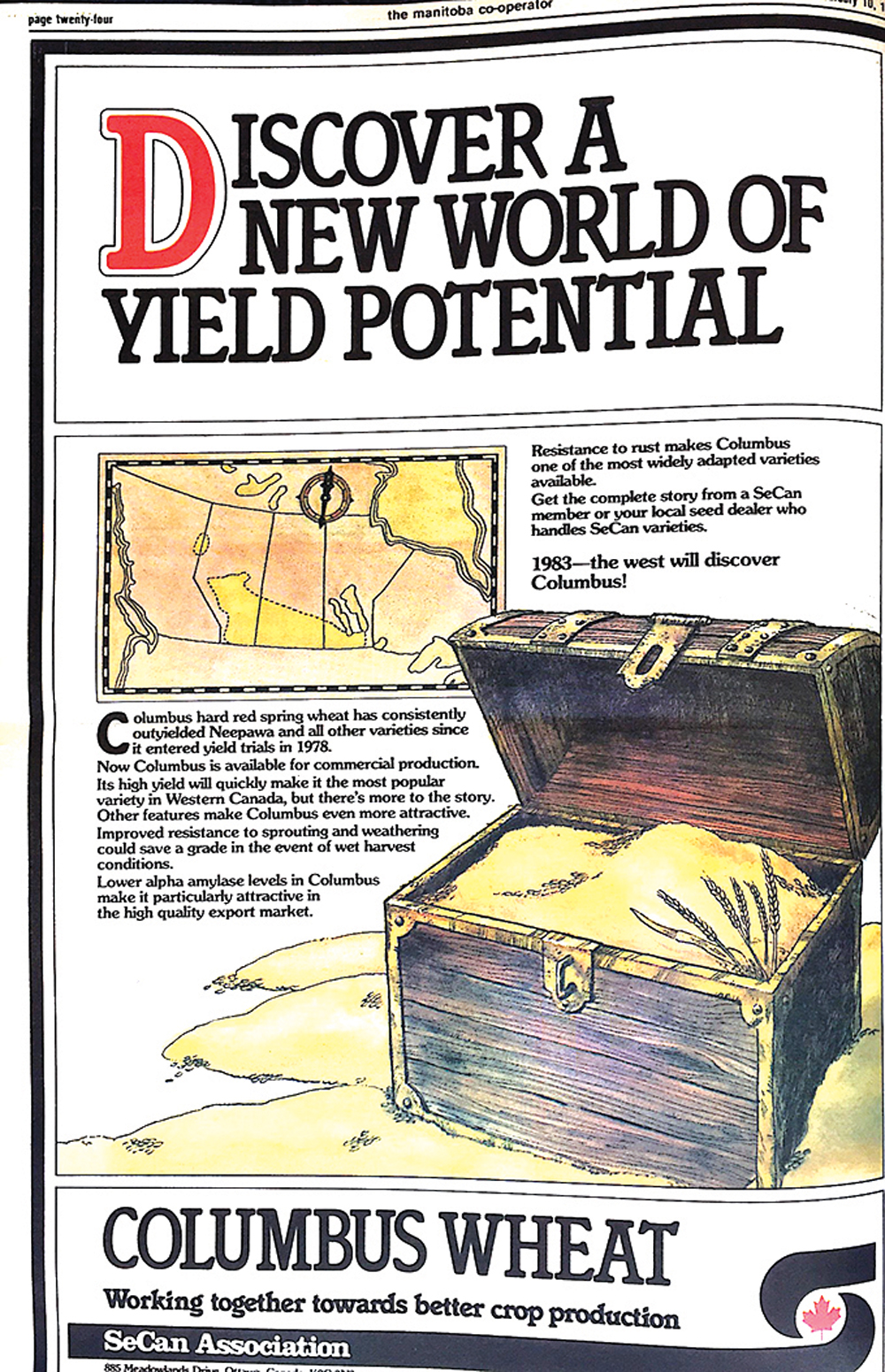
Columbus wheat was available for wide distribution in 1983, with attributes including yield higher than Neepawa, rust resistance and improved resistance to sprouting.
Proposed changes to the Crow freight rate dominated news that month, with delegates to the Canadian Federation of Agriculture annual meeting rejecting an acreage-based subsidy in favour of paying it to railways so that it would cover mainly export grain. However, delegates from the Manitoba Farm Bureau and United Grain Growers dissented. There were opposite opinions on another issue — UGG president Ted Allen moved a resolution calling for an elected board of directors for the wheat board, but Saskatchewan Wheat Pool representatives were opposed. The resolution passed, however.
Read Also
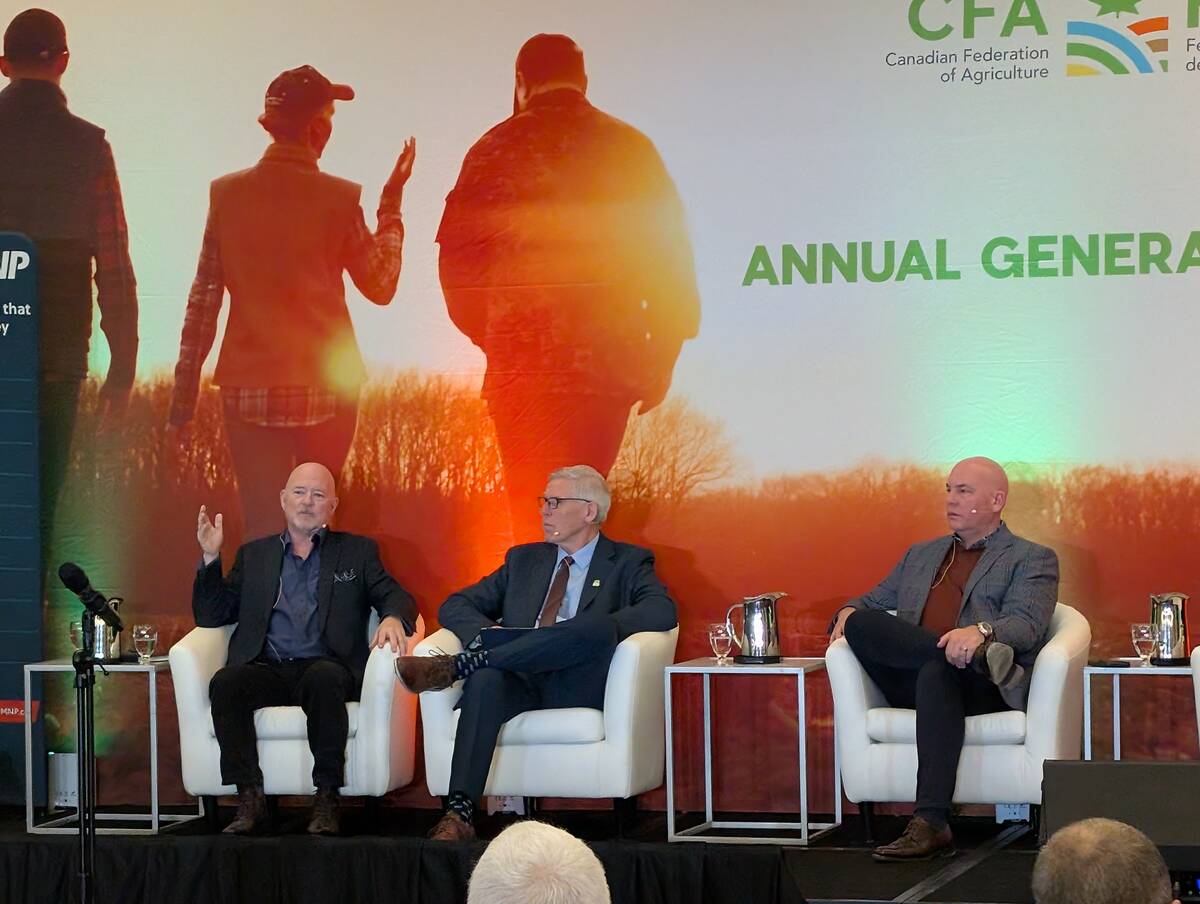
Unified ag front urged for Next Policy Framework
Panelists at the Canadian Federation of Agriculture (CFA) annual general meeting say agriculture groups must stay focused and united in consultations for the recently-announced next policy framework
The world grain price slump continued, and the latest U.S. response was a Payment-in-Kind (PIK) program which would provide U.S. farmers with surplus government-held stocks in exchange for reducing acreage. The program was later criticized for high cost — estimated at $10 billion — but it had a significant effect on reducing supplies and raising prices, especially for corn.
Low grain prices were affecting machinery sales — U.S. officials were reported as predicting the lowest sales in 20 years. The low prices also had provincial crop specialists worried that farmers would practise false economy and reduce herbicide use. “Avoiding the use of herbicides to minimize production costs is a mistake,” said a Manitoba Agriculture release.