
Another month has come and gone, so it’s time to do our monthly look back, then look ahead to see what might be in store for us in September and rest of the fall season. It’s also the end of summer (June through August) so we’ll also take a look back at the summer of 2015 and see how it measured up, weather-wise.
August was an interesting month for weather across southern and central Manitoba, with plenty of heat and humidity, but also a couple of shots of fairly cool weather. Combine hot, humid weather with periods of cool weather and you usually end up with thunderstorms occurring during the transition periods — and that’s exactly what happened.
Read Also
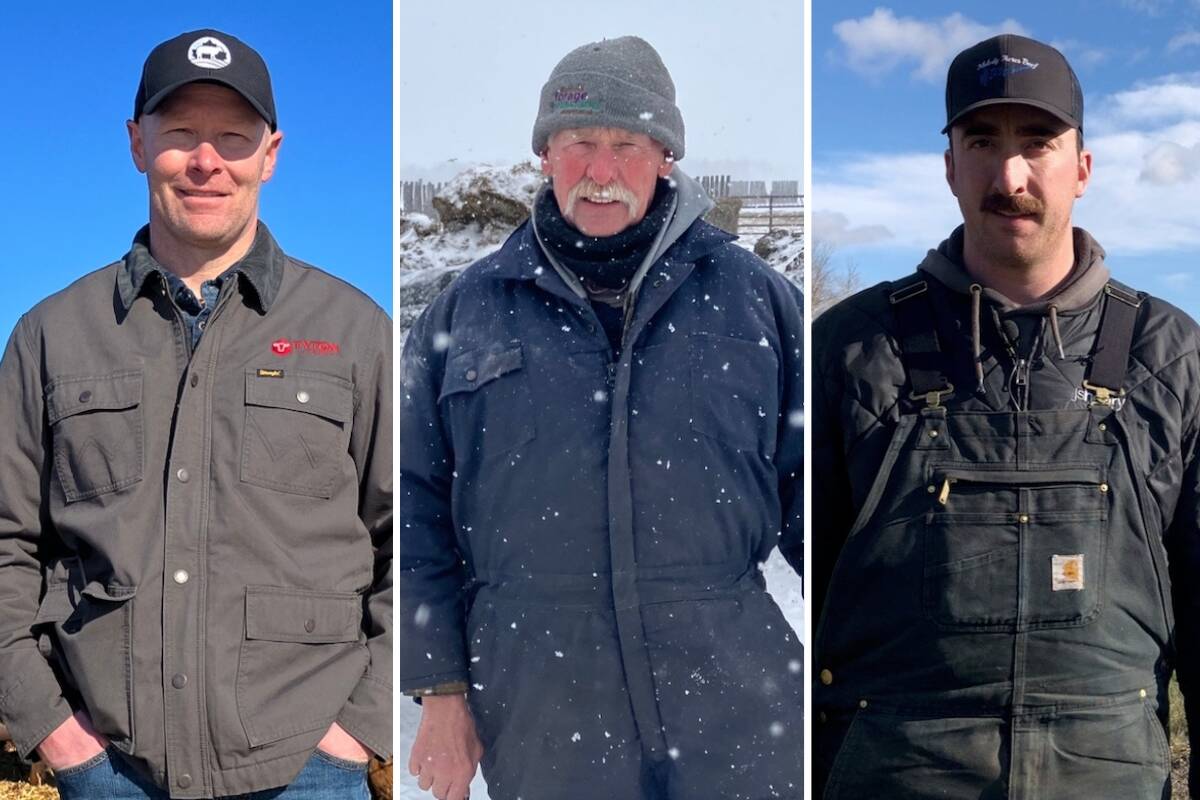
VIDEO: Three Manitoba cattle ranchers on what succession planning really looks like
A 72-year-old breeder, the CCA president and a 27-year-old rancher talk about what it takes to hand down a cattle operation.
Here’s how the numbers added up. Dauphin reported a mean August temperature of 17.8 C, pretty much right on the long-term average for the month. The warmest day was Aug. 14, when it hit 32.5 C. The coolest was on the 25th, when the temperature bottomed out at a chilly 3.2 C. Precipitation was a little on the light side, with 45 mm falling, compared to a long-term average of 61 mm. Rainfall occurred on nine different days, with only one extended period of rain-free weather occurring from August 24-30. Adding up all the numbers for summer, the Dauphin region saw a mean temperature about 1 C above average and rainfall about 15 mm below average.
Dropping southward, the Brandon region saw a mean August temperature of 18.1 C, about 0.4 C above the long-term average. Brandon’s warmest day was also the 14th, when the temperature peaked at a very warm 36.6 C. The coolest temperature was on the morning of Aug. 25, when a reading of 4.2 C was reported. Precipitation for the month was also a little on the light side, with 50 mm of rain recorded, about 15 mm below the long-term average for the month. Rainfall was reported on 12 different days, with no extended dry periods. Overall, the summer in this region was warmer and drier than average, with a mean summer temperature 0.8 C above average and precipitation running almost 70 mm below average.
Finally, the Winnipeg region had a mean monthly temperature of 18.5 C — warmer than the Brandon and Dauphin regions, but 0.3 C below average. Precipitation, thanks to some heavy rain late in the month, was above average, with 100 mm falling, compared to the long-term average of 75 mm. The warmest day, as in the other two regions, was the 14th, when Winnipeg hit a high of 34.3 C. The coldest temperature was on the morning of the 25th, at a very chilly 2.8 C. When we add up the numbers for the summer for this region, we see it was an average summer, with temperatures coming in about 0.3 C higher than average and precipitation coming in pretty much right on average.
Who called it?
Who was able to best predict August’s weather? Looking back it seems no one was right on the money. The Old Farmer’s Almanac called for warm and dry weather; the Canadian Farmers’ Almanac called for near-average conditions; Environment Canada had near-average temperatures out west and below average in the east, with near-average amounts of precipitation. Finally, here at the Co-operator, I called for slightly above-average temperatures with periods of very warm and very cool conditions, along with precipitation near to slightly above average. I think I might give the nod to my forecast, but maybe I’m a little biased; I’ll leave that up to you.
On to our September and fall outlook. The Old Farmer’s Almanac calls for a cool, wet month, followed by near-average conditions to end the fall. The Canadian Farmers’ Almanac appears to call for a cold, wet month and fall, with several mentions of chilly weather and unsettled conditions. It even calls for snow near the end of October. Over at Environment Canada, they are calling for above-average temperatures across southern regions during September, with near-average temperatures over central regions. The rest of the fall, according to E.C., looks to be mild, with above-average temperatures expected. Along with the mild temperatures, it calls for above-average precipitation.
Finally, my forecast: after spinning the weather wheel and throwing my darts (I had to do it several times before I got the forecast I wanted), it looks like September is going to see near-average temperatures, with near- to slightly above-average amounts of rain. I think this pattern will continue into the rest of the fall, with tem
peratures running around average, but with periods of very warm and fairly cool temperatures. Precipitation will also be around average, with some areas missing out on some of the rain while other areas end up getting a little too much.
As always, I hope whatever weather you end up getting is exactly what you need.