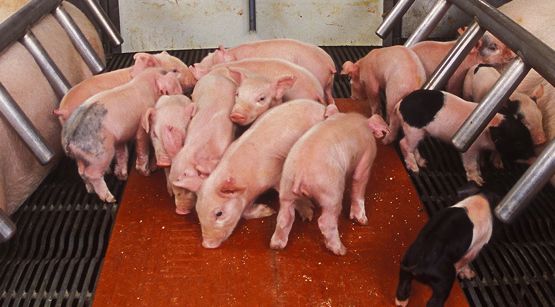
Some of the animals more commonly known to carry rabies are bats, skunks, raccoons, and foxes.

Beef 911: We all need to be ever vigilant when it comes to rabies

This fatal disease is very rare, but always be on the lookout for telltale signs

We don’t hear this disease mentioned very often, but when we do there is a very scary connotation attached to it. Rabies is virtually always a fatal disease to all mammals, and zoonotic to humans with no curative treatment once clinical signs develop. Only prevention through vaccination and strong surveillance programs have kept incidence of
Beekeeping is catching on in cities, and enrolment has jumped for a University of Manitoba course for hobby beekeepers.

Training critical for new beekeepers to avoid disease woes

Beekeepers stress the need for industry newcomers to be trained in disease and pest management

Manitoba’s honeybee population has recovered from 2013, when a harsh winter saw hives drop almost eight per cent, but commercial apiarists say that growth could have risks if it doesn’t come with disease management training for new beekeepers. “Education is very important in those regards and I think probably one of our largest concerns is


Health officers in protective clothing cull poultry at a wholesale market, as trade in live poultry was suspended after a spot check at a local street market revealed the presence of H7N9 bird flu virus, in Hong Kong June 7, 2016.

Chinese consumers seem to shrug off deadly bird flu outbreak

Repeated issues with the outbreaks have led citizens of the country to become less alarmed about warnings

Four years ago, a bird flu outbreak in China killed at least three dozen people, triggered mass poultry culling, put masks on millions of Chinese faces and hammered shares in fast-food and travel companies. This winter, more than 100 people have died, but few birds have been slaughtered, there are few masks on the streets

(Keith Weller photo courtesy ARS/USDA)

WHO says bird flu outbreaks raise alarm

London | Reuters — The risk of sustained human-to-human transmission of H7N9 avian flu in China is low, the World Health Organization said on Wednesday, but a surge in human cases there is worrying and requires constant monitoring. Outbreaks of H5 bird flu strains in poultry and wild birds across Europe, Africa and Asia are


Bacteria like this Streptobacillus caught on film through microphotography, are extremely good at evading control measures and developing resistance.

AMR challenge results in new strategy

Weakening bacterial diseases would give animals and humans the opportunity to defeat them on their own

It may be better to knock disease down, instead of out. That’s the heart of a new strategy to treat bacterial diseases in humans and animals, curbing their virulence rather than using antibiotics to wipe out the bacteria that causes them, and possibly contributing to the mushrooming challenge of antimicrobial resistance, or AMR. The goal


PMRA once again upholds safety of 2,4-D

One of the earliest registered crop protection products, 2,4-D has been controversial

After a three-year review, the Pest Management Regulatory Agency has again approved the use of the herbicide 2,4-D. Developed after the Second World War, the safety of the weed killer has been upheld in numerous reviews in Canada and elsewhere, despite repeated attacks on its use. PMRA will collect public comments on its decision until


Self propelled sprayer

Scientific paper questions safety of glyphosate herbicides

Scientists and regulators clash over assessment of glyphosate as a likely carcinogen

Glyphosate is being used more often and in new ways, and that’s prompted a call for re-evaluating the product’s safety in the journal Environmental Health. The peer-reviewed article, by 13 scientists and an environmental consultant, said the use of glyphosate-based herbicides (GBHs) has grown dramatically at the same time new concerns about its safety have

Canola growers asked not to use quinclorac herbicide this year

Canola growers asked not to use quinclorac herbicide this year

While the weed killer is registered in Canada it hasn’t been approved in China, 
one of Canada’s most important canola customers

Canadian canola growers are advised not to use the herbicide quinclorac on their canola in 2016 because China, one of Canada’s biggest customers, has not yet approved it. “Until these questions are resolved, growers should use other options to control cleavers on their farms,” the Canola Council of Canada says on its website. “It’s a