An hour after sunrise, volunteers have completed about a third of their route.

Conservation counting on annual bird survey

Every year, around this time of year, volunteers in Manitoba head out to take a key bird count

It was the same every year. For 25 years, on one day at the end of June, my alarm would go off at 2:30 a.m. I’d slouch out of bed and hit the road to do my part for the North American Breeding Bird Survey (BBS). My route was part of a network feeding numbers


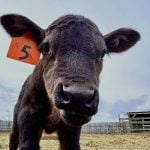
Livestock guardian dogs are among the eligible investments under the new Livestock Predation Prevention Program.

Funds back anti-predation front-runners

Beef producers welcome new predation prevention program

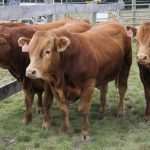
Work from a three-year pilot project aimed at understanding the livestock sector’s predator problem has become provincial policy. On April 25, the federal and provincial governments jointly announced the Livestock Predation Prevention Program, funded through the Sustainable Canadian Agricultural Partnership. Why it matters: Manitoba livestock producers lose thousands of animals every year to wild predators.

Deciding where to remove animals requires careful planning based on where CWD has been found.

Managing CWD means some deer have got to die

Animal removal, including hunting, will be key to nipping chronic wasting disease at the bud

British Columbia, like Manitoba, is in the early days of its fight against chronic wasting disease. Things are moving quickly, and they must. On March 13, the British Columbia government announced it would harvest deer in the Kootenays. The word came six weeks after CWD, a fatal prion disease in deer, elk, moose and caribou,


Tim Sopuck and Devin Borus pose with a pike they took through the ice on a large dead bait.

Lock targets on pike for spring fishing

Northern pike make for some memorable early season action as the open water season gets underway

It was a calm spring day as my son Mark and I made our way up a grassy creek, swollen with the yearly influx of meltwater. Our targets for the day were post-spawn northern pike or, in common parlance, jackfish or jacks. We were moving under paddle power, having previously made the mistake of motoring

Fishing rules in Manitoba for 2024

As open water season approaches, it’s worth reviewing some of last year’s important regulatory changes. Some of these haven’t quite sunk in with the angling community. I was recently talking to an old fishing pal, who was regaling me with the tale of a lovely pike he had caught and taken home for dinner. After


Unlike the great egret, great blue herons have always been common in our marshes, lakes and rivers.

New birds on the block

Some new birds are finding footholds in Manitoba

My September calendar always sets aside a few days for a duck hunting trip with my son. On those days we haunt the marshes, which we find more interesting than going after birds feeding in fields. Our chosen setting means that, when the ducks aren’t flying, we can enjoy time spotting other wetland wildlife. Last year’s hunt

A Clark’s nutcracker calls out from a tree.

These bird names are about to change

Official names will change for a few of Manitoba’s common feathered visitors

In 2023, the American Ornithological Society announced plans to change the English common names of any birds named after people or that are deemed offensive in some way. The way bird names are chosen is also getting a revamp. It’s going to be a pilot project beginning with 70 to 80 species found mainly in


A graphic of a deadstock composting pen tested during the Livestock Predation Prevention Pilot.

Final word on livestock predation pilot

Composting, fox lights, predator-resistant pens among winners of tested prevention strategies

The predators haven’t gone away, but the livestock industry now has better ideas on how to handle them. The Livestock Predation Prevention Pilot, Manitoba’s three-year examination of its predator loss problem, is over. Prevention strategies have been tested, reports sent, and every resulting bit of advice has been made available in print and video form

The CFIA says it plans to modernize the way animals are identified to make indicators technology neutral.

Livestock sector raises issue with new traceability reporting times

CFIA update will also bring goats, farmed deer and elk under traceability

An online consultation on livestock traceability came back with widespread support for the general premise, but with concerns about tighter timelines for reporting and tag retention. Last year, the Canadian Food Inspection Agency unveiled proposed changes to Canada’s national livestock traceability rules, including a shorter window in which producers are to report animal movements and