
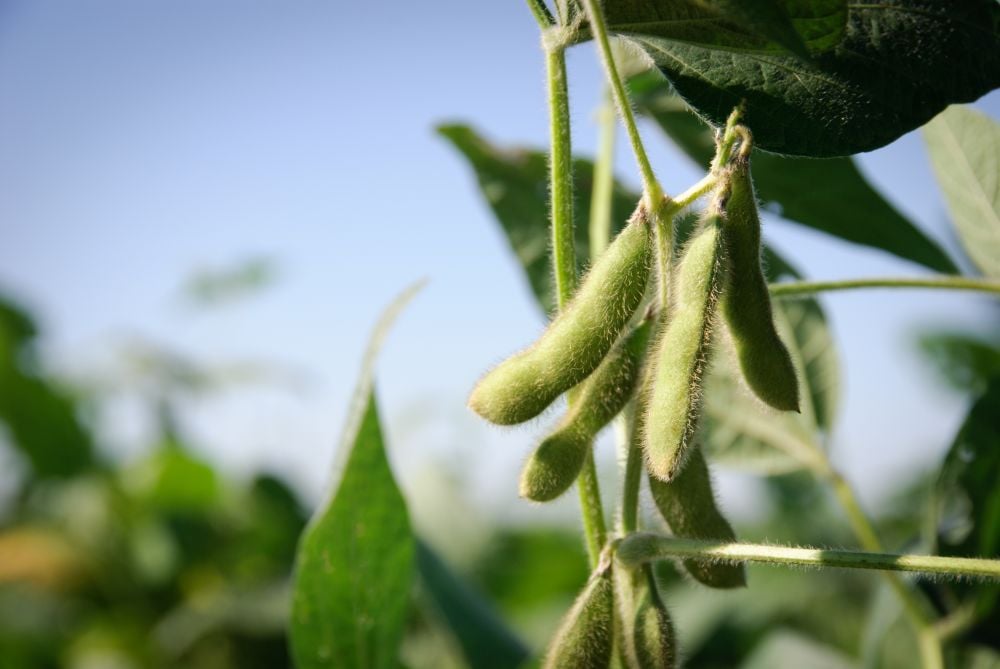


The impact of climate change is already being seen, says a wheat breeder with Agriculture and Agri-Food Canada. Weather data shows rising temperatures, and in many areas, considerably less rainfall.

The quest for drought-tolerant wheat heats up

A hotter, drier future looms but breeding for drought tolerance is a complicated business

Glacier FarmMedia – The push to breed drought-resistant wheat has taken on new urgency as dry times become more common and more severe. “Drought is big on everybody’s minds these days,” said Harpinder Randhawa, a wheat breeder with Agriculture and Agri-Food Canada’s Lethbridge research centre. “Especially in Western Canada, we rely heavily on the natural water availability of rainfall.” Droughts are forecast to

(Dave Bedard photo)

AAFC report sees another series of tweaks

MarketsFarm — As expected, Agriculture and Agri-Food Canada (AAFC) avoided making any major revisions to its November supply and demand estimates, waiting until Statistics Canada issues its next production report on Dec. 2. AAFC released its latest monthly report late Friday afternoon. While AAFC tweaked its November supply and demand estimates from October, most of


One Canada Square (tower at centre) houses the London head office of the International Grains Council. (Iliffd/iStock/Getty Images)

IGC makes small alterations to monthly report

MarketsFarm — There was very little in the way of changes in the November supply and demand report from the International Grain Council (IGC). The most notable alteration made by the London-based global organization was its four million-tonne reduction to 2022-23 wheat ending stocks, now at 282 million tonnes. The IGC lowered exports from 70


U.S. corn ending stocks in the latest WASDE report were estimated at 1.182 billion bushels.

Corn still bearish after WASDE report

Key report raises corn production expectation, provides little fuel for market

The United States Department of Agriculture has released its monthly World Agricultural Supply/Demand Estimates, which usually come with the potential to upset U.S. crop prices if they fail to fall in line with pre-report expectations. Just like the U.S. midterm elections on Nov. 8, there was no “red wave” sweeping the markets after the report’s

CBOT December 2022 soft red winter wheat (candlesticks) with 20-day moving average (black line), MGEX December 2022 hard red spring wheat (yellow line) and K.C. December 2022 hard red winter wheat (orange line). (Barchart)

U.S. grains: Wheat, corn up on reports of Russian missiles hitting Poland

January soybeans also close higher

Chicago | Reuters — U.S. grain futures rallied on Tuesday as reports that Russian missiles crossed into Poland raised concerns about escalating political tensions, market analysts said. A senior U.S. intelligence official said Russian missiles crossed into Poland, killing two people, the Associated Press reported. The Pentagon said it could not confirm reports that Russian


Rain in farm fields

Waterlogged Australian wheat crop faces extensive quality downgrades

Around half of wheat on east coast may be downgraded, industry analysts say

Reuters – Flooding and excessive rains across key parts of Australia’s wheat growing areas have resulted in extensive damage to what was expected to be a record high quality crop, exacerbating concerns over world food supplies. A lower quality crop in Australia, the world’s No. 2 supplier of wheat, comes as dryness in North America


A tight stocks situation is being exacerbated by drought in key production regions.

Volatility continues to drive markets

Markets a bit ‘bipolar’, senior market analyst says

The volatile year for agriculture markets is unlikely to abate, says Mike Jubinville, senior market analyst with MarketsFarm Pro. “I look at these markets as bipolar in some cases,” says Jubinville. “On one hand, the macroeconomics have potentially bearish demand implications as fears of a recessionary environment take hold. But on the other hand, we

CBOT February 2023 soybeans with 20-, 50- and 100-day moving averages. (Barchart)

U.S. grains: Soy futures up on China COVID curbs, weakening U.S. dollar

Corn market gains boosted by strength in crude oil market

Chicago | Reuters — Chicago wheat, corn and soybeans rose on Friday, underpinned by strong commodities and equities markets, as well as hopes that China’s easing of COVID-19 restrictions could boost demand. Soybeans bounced on hopes that China’s move to ease some COVID-19 curbs might spur economic activity, potentially boosting demand for goods including soybeans.