

Male (left) and female (right) waterhemp plants.

The gaps in Palmer amaranth, waterhemp prevention

There may be more getting done than producers realize, but more resources couldn’t hurt

No one wants Palmer amaranth or waterhemp to become bigger weed worries in Manitoba, and there’s work focused on making sure that doesn’t happen, but local knowledge is still thin on the ground. The two boogeymen of the weed realm were recent subjects of a successful resolution brought before the Keystone Agricultural Producers. The motion, by ag diploma students

Waterhemp (seen here) and Palmer amaranth have well-earned reputations for prolific seed production and herbicide resistance.

Farm organization takes aim at noxious weeds

Action targeting waterhemp, Palmer amaranth greenlit at KAP advisory council meeting

Keystone Agricultural Producers will set its sights on two emerging noxious weeds: waterhemp and Palmer amaranth. A resolution brought forward by University of Manitoba agriculture diploma students during KAP’s March advisory council meeting March 27 aims to give more support to farmers to beat back Manitoba’s growing problem. Why it matters: Waterhemp and Palmer amaranth


Kochia is becoming an increasing weed problem in Manitoba.

Weed seed destructors rare on Canadian farms

The devices are only slowly gaining momentum in this country

Glacier FarmMedia – About 30 weed seed destructors were used last fall on farms across Canada, says an Agriculture Canada scientist. That isn’t a lot, as the country has some 50,000 grain farms that buy about 2,000 new combines every year. But adoption of the destructors, which pulverize weed seeds before they exit the combine,

Wild foxtail barley on the edge of a canola field.

Garden seeds lead to problem weeds

Problem weeds may be lurking in that garden catalogue

Manitoba rancher Herman Bouw was casually perusing a gardening seed catalogue when a particular ornamental grass item caught his eye. The plant was listed as “squirrel tail grass,” but Bouw thought it looked awfully similar to a species with a more cursed name on the Prairies. A comparison of scientific names confirmed his suspicion. The catalogue was


VIDEO: Taking the fight to kochia in North Dakota

VIDEO: Taking the fight to kochia in North Dakota

There are a number of problem weeds that growers often contend with each season, but kochia is one weed problem in particular that’s of growing concern – and not only here on the Prairies, but also south of the border. Jason Hanson, a crop consultant in North Dakota, travelled to St. Jean Farm Days earlier

Once waterhemp pokes its head above the canopy, it becomes easily identifiable.

The problem with pigweeds

Differentiating different species, including major threats like Palmer amaranth and waterhemp, can be challenging

Scouting for waterhemp is difficult but critical, Manitoba Agriculture weed specialist Kim Brown told producers during her presentation at St. Jean Farm Days Jan. 10. “You’re going to hear a lot about this in the next few years because this is just going to become a bigger and bigger problem, but I really believe we can get out


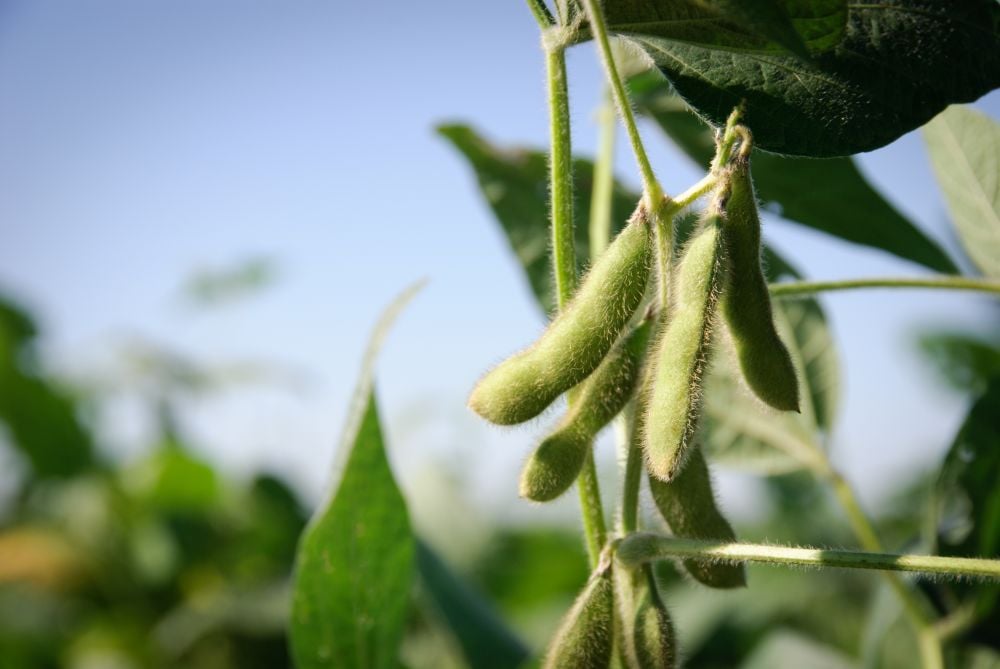
Producers are being urged to diversify their soybean stands.

Seeding one soybean variety a ‘mistake’

Ontario soy expert says growers should diversify to at least three varieties

Glacier FarmMedia – Horst Bohner is convinced that farmers should plant more than one variety of soybeans. If they don’t, they are making a “mistake.” “As a basic starting point, I think every grower should seed at least three varieties. Every year. As a minimum. Hopefully more than that,” said Bohner, a soybean specialist for

Dirk Vandenhirtz, CEO and founder, left, and Darrell Bailey, North American business development lead with Crop.zone.  Photo: John Greig

Agritechnica update: Give a big shock to weeds

Farmers are being pushed to find an alternative to desiccants to burn down crops, as companies are increasingly leery of herbicides approved close to harvest. People have been shocking weeds with electricity for 100 years, but the return on the electricity invested and the technology required to do so safely haven’t always worked. Crop.zone is


Kochia is among the weeds that should be on farmers’ radar this fall.

Early harvest opens options for fall weed control

Spraying tips to use once the combine is parked

[UPDATED: Oct. 11, 2023] An early harvest gives farmers the opportunity to get ahead of weeds for next season, says Manitoba Agriculture weed specialist Kim Brown. Weeds have had ample time to grow after harvest, making them prime targets for herbicide. Why it matters: As harvest winds down, attention turns to field preparation for 2024.

File photo of palmer amaranth — the taller yellowish plants — infesting a U.S. cotton field. (Photo courtesy ARS/USDA)

Palmer amaranth pops back up in Ontario

Weed infamous in U.S. for multiple herbicide resistances

A single plant that showed up this summer on the edge of a southwestern Ontario cornfield is cause for concern among Canadian farmers, weed specialists warn. Writing Monday in the ag ministry’s Field Crop News, Ontario provincial weed management specialist Mike Cowbrough said the plant in question, found in Wellington County, is confirmed as palmer