
North Dakota is leading the nation in some products, but not in farm profits.

Tough times south of the border

North Dakota average farm profit was $28,600, 
compared with $76,404 in 2014 and $133,466 in 2013

Record spring wheat yields, the second-highest annual profit for cow-calf producers, an increase in government payments and lower crop production costs. Sounds like the start of a good-news story for our neighbours south of the border, but North Dakota State University says last year’s profit for farmers in the state fell to the lowest level

North Dakota farmer, Gabe Brown, says stacking complementary farm enterprises has changed his operation and now he is always on the hunt for ways to add value.

Stacking enterprises makes farms more profitable and efficient

North Dakota’s Gabe Brown says they’ve found some surprising revenue streams on their operation

Puppies from the stock dogs and flower arrangements from cover crops — those are just a couple of the unconventional revenue sources Gabe Brown has found on his operation. You might think there’s no way that could add up to real dollars, but when he told attendees at a recent grazing club meeting in Lenore


(Stephen Ausmus photo courtesy ARS/USDA)

Two more states’ eggs, poultry allowed into Canada

Cross-border travellers may again bring raw poultry meat, eggs and live birds into Canada from North Dakota and Missouri. The Canadian Food Inspection Agency last week shortened its list of U.S. states under avian influenza-related restrictions to just one. Indiana remains under limits imposed in January after highly pathogenic (“high-path”) H7N8 avian flu turned up at


Measuring seeding rate by the bushel can lead to wide variations in yield.

Determining the best seeding rate for hard red spring wheat

An NDSU researcher finds that different varieties also have different tillering capacities

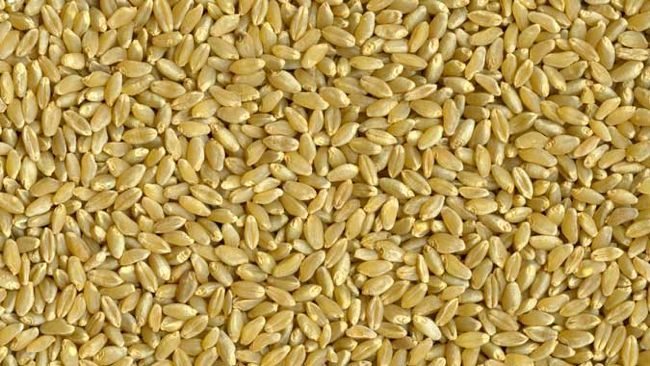
The old rule of thumb about seeding 1.5 bushels of wheat per acre just doesn’t apply anymore, says a researcher with North Dakota State University. Variety, seeding date and even latitude make a difference, Grant Mehring told the Manitoba Agronomists Conference in Winnipeg last December. He described his extensive, three-year research trials on seeding rates


Unsettled start, then sunny and mild

Issued: Monday, September 21, 2015 – Covering: September 23 – September 30, 2015

The mild September weather continued with last week’s forecast coming in pretty darned close to bang-on. For those of you hoping for dry, mild weather to continue, it looks like you’ll be in luck! It looks more and more like the current weather pattern will continue at least into early October, with the main storm

grain bag

Editorial: Keep talking about farm safety

We’re going out on a limb here to say the farmers featured in this week’s front-page story are courageous, not because they survived their harrowing ordeal, but because they are talking about it. The father and son duo made a mistake that could have ended tragically. Joel Dewitz admits to feeling pretty sheepish about the


Joel Dewitz (l), his wife Nancy and son Jeff farm near Steele, North Dakota. Joel wants other farmers to know the dangers of entering a grain bag when extracting grain with a grain vacuum.

North Dakota farmers survive being shrink-wrapped in a grain bag

Joel and Jeff Dewitz are lucky to be alive — they were trapped in a grain bag while using a grain vacuum to remove spoiled grain

Farm accidents can sneak up on you. Just ask Joel Dewitz, who is telling his story to warn other farmers of the dangers of grain bags and grain vacuums. “I’m not proud of what we did, but I thought if maybe one person would happen to read the article and not do the same stupid

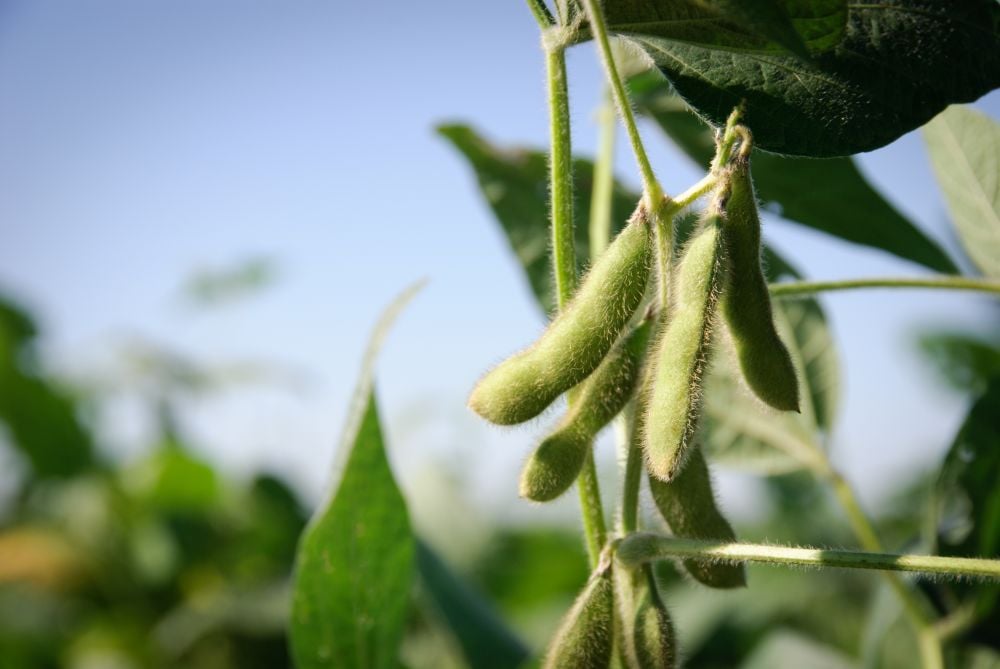
Close up of soy bean plant

Soybeans in full seed stage, development slightly ahead compared to 2014

The Bean Report for August 25, 2015

Soybeans The majority of soybeans are in the full seed stage, R-6 (full seed). Overall, soybean development is slightly ahead of 2014 with some fields starting to turn from green to yellow, and harvest may begin in early September. These early maturing fields correspond to very early planting, early varieties as well as some moisture