
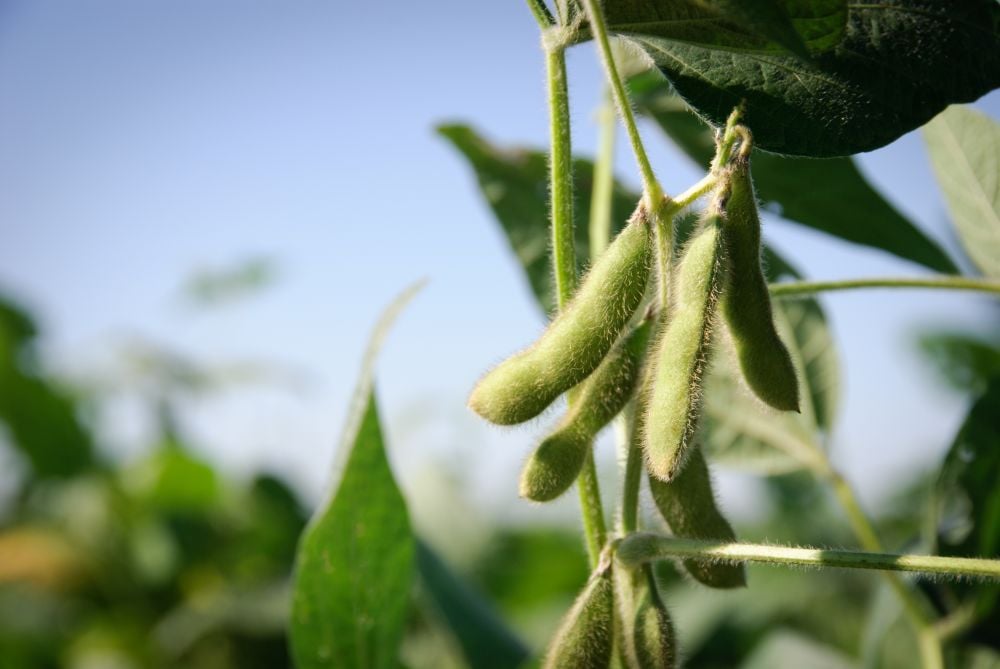

There’s plenty of material available after a grain corn harvest, but collecting it can be tough on machinery.

Can cornfield leftovers help fill the gap on feed?

Corn stover harvest is normally an American pastime, but one Manitoba couple says the process can work here and might help fill feed supplies for anyone coming up short going into next winter

Pasture conditions and a less-than-ideal first cut already have some producers weighing options on feed, but one Manitoba farmer says the answer might lie in the corn stover. Alfred Billingham, along with his wife, Judy, says they’ve filled in their feed supplies with baled corn stover for years, a practice more popular in the longer



Herbicides may restrict crop use as livestock feed

Drought is causing some producers to eye grain crops as livestock fodder

Some producers are turning to small-grain crops as feed for their livestock because this year’s drought is causing a severe shortage of grass and hay. However, herbicides applied to those small-grain crops may make them unusable as livestock feed. “Most herbicides have grazing and feeding restrictions stated on the label that limit the use of


Test feed grains for best results

The weather this growing season is translating into feed grain quality issues

One of Western Canada’s leading grain quality testers says early harvest samples are showing a high risk this year for potential feed quality issues. Canadian Bio-Systems, of Calgary, is advising livestock operations and feed mills to take steps to safeguard feed quality and livestock performance. “The risk of feed grain quality issues that can affect


As soybean acres continue to expand across Western Canada, the concept of creating a local processing plant lingers.

Keeping soybeans at home to be fed

KAP members support a crushing plant, and a study for the MPGA says it’s worthwhile

Many of Manitoba’s hog barns are surrounded by soybean fields, but the soymeal inside them may have come from hundreds of miles away in the U.S. That prompted Keystone Agricultural Producers members at their recent summer advisory meeting here to support the Brandon Chamber of Commerce’s efforts to encourage industry to construct a soybean-processing plant

(Photo courtesy Canada Beef Inc.)

Philippines rush new GMO rules to avert import disruption

Manila | Reuters — The Philippines is set to issue new rules next month on GMO imports, seeking to avert food supply disruptions when a court-ordered stoppage kicks in as import permits for livestock feed expire this year, government officials said. In a landmark ruling in December, the country’s Supreme Court struck down a 2002 government


Crow debate continues, livestock producers get $20-million payment

Crow debate continues, livestock producers get $20-million payment

Our History: December 1989

This ad from our Dec. 14, 1989 issue reminds of how mobile communication worked before cellphones. Don Mazankowski, the agriculture minister on the new Joe Clark government, had organized a major “Growing together” conference which attracted 2,000 delegates to Ottawa. It got off to a bad start — the same day Agriculture Canada forecast a

A pack of macaroons containing dehydrated insects at the Micronutris plant in Saint Orens de Gameville in southwestern France in February 2014. The company processed insects live, dehydrated or in a flour-like powder for use in pastries.

Flies, worms, crickets crawl onto EU policy-makers’ menu

Insects are more likely to serve as an animal feed than as food

Houseflies, crickets and silkworms can be safe, nutritious and more environmentally friendly alternatives to chicken, beef or pork, research carried out for the European Commission finds. Still, they are less likely to be found on European restaurant menus than in animal feed, carefully controlled to prevent the kind of prions, or abnormal proteins, blamed for