

Bees in a hive

NFU sees moratorium on neonicotinoids

The Senate committee is studying the importance of bees to food production in Canada

The National Farmers Union (NFU) appeared before the Senate Standing Committee on Agriculture and Forestry May 1 to call for a five-year moratorium on the use of neonicotinoids on corn and soybeans in Ontario. The Senate committee is currently studying the importance of bees and bee health in the production of honey, food and seed

Treated corn seed linked to bee kills, Health Canada urges farmers to use best practices

Government issues list of 25 best practices to lower the risk of contamination 
instead of following Europe’s lead and banning neonicotinoid insecticides

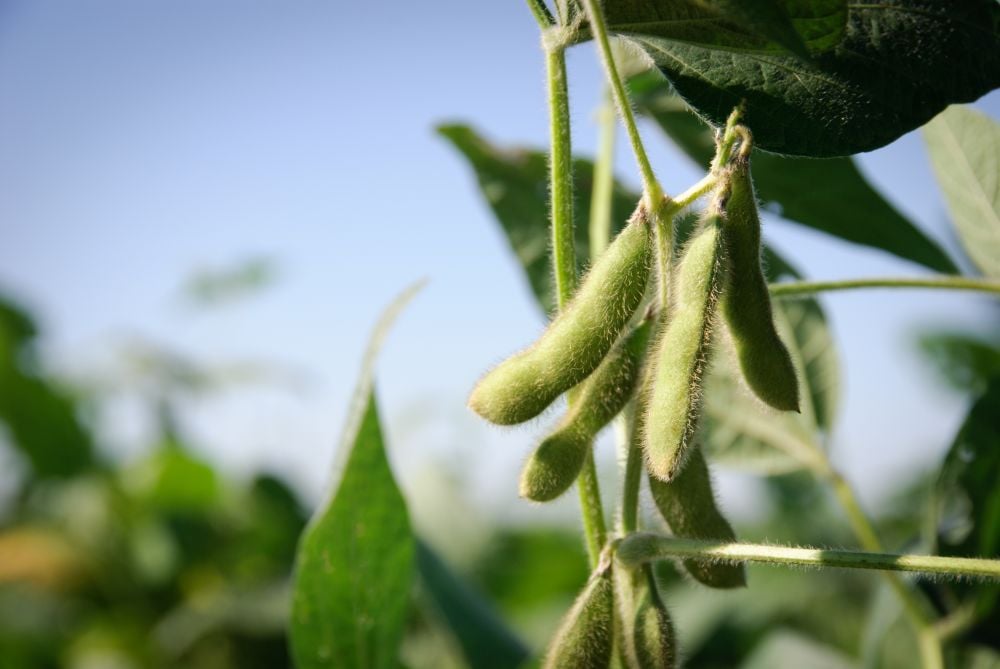
Another round of “bee incidents” last year has prompted Health Canada to issue an updated list of mitigation measures to corn farmers who may have inadvertently killed the pollinators. A severe death rate during planting season in 2012 has been linked to a dry spell and widespread use of nitro-guanidine neonicotinoid insecticides on corn seed.


Caffeine gives bees a buzz that improves their memory

Scientists have shown that caffeine improves a honeybee’s memory and that helps the plant recruit more bees to spread its pollen. Publishing in Science the researchers show that in tests, honeybees feeding on a sugar solution containing caffeine, which occurs naturally in the nectar of coffee and citrus flowers, were three times more likely to

Study finds wild bees boost crop yields

Wild bees and other pollinating insects can make quite a difference when it comes to crop yields, according to a new study. “Our message is not that honeybees are bad — it’s that we could do better if, in addition, we were encouraging more activity by wild insects,” said Lawrence Harder, a professor of biological


Shelterbelts the bee’s knees for pollinators

Bees and insect predators can help boost yields and cut losses, but farmers have to provide a good home

Shelterbelts don’t just keep topsoil from blowing way. They also provide homes for pollinator species, a group that includes butterflies, beetles, birds, wasps, flies – and even monkeys in some countries. But far and away the most effective of all are the bees, said Mark Wonneck, an ecologist with Agriculture and Agri-Food Canada. “They are

Discoloured counters? Paint on denim?

Hello Reena, I would like to thank you for all your work in helping us live green! I have read a tip on getting rid of ladybugs. Where I live everyone encourages them in their gardens to eat aphids. I have always known ladybugs to be beneficial insects. What do you think? — Rose Dear


Bee Deaths May Signal Wider Pollination Threat

Mass deaths of bee colonies in many parts of the world may be part of a wider, hidden threat to wild insect pollinators vital to human food supplies, a UN study indicated March 10. Declines in flowering plants, a spread of parasites, use of pesticides or air pollution were among more than a dozen factors

Bee Facts

Pollinators – such as bees, butterflies and bats – are responsible for the continued existence of more than 70 per cent of the world’s flowering plant population. From the production of hybrid canola seed in southern Alberta to the pollination of blueberries in the Maritimes and British Columbia, honeybees are the primary managed pollinator for


Make Your Habitat Wildlife Friendly

If you’re like me, you love listening to the sweet song of birds or catching a glimpse of a brightly coloured butterfly fluttering by. There is so much beauty to enjoy in the natural world – and so much to benefit from, too. For instance, insects such as bees and butterflies are important worldwide for