
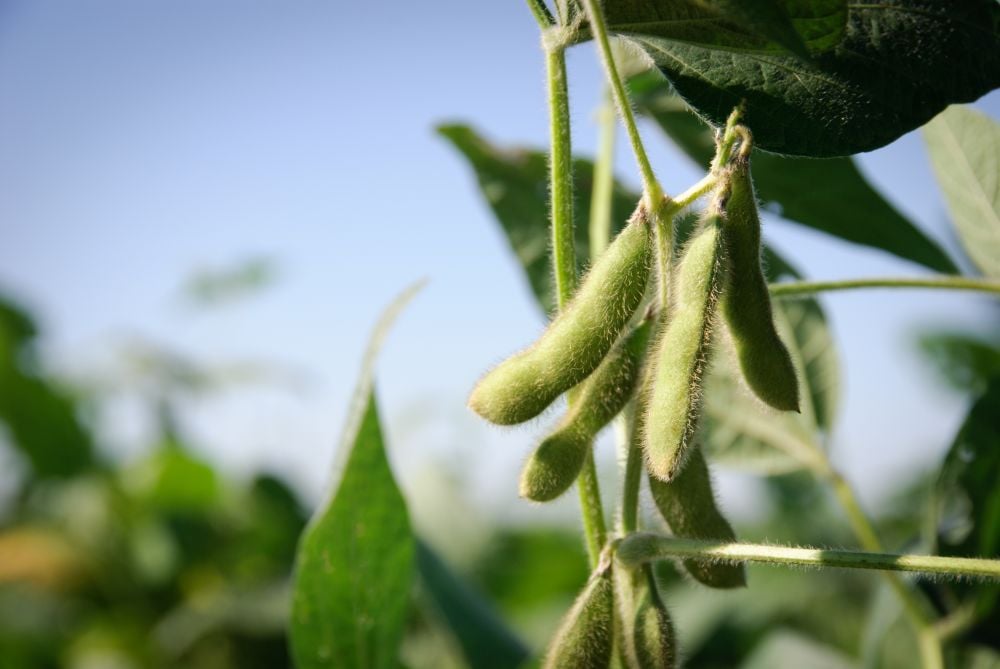


With the crop coming off, grain value chain members are reminding growers to prevent herbicide residue issues and even naturally occurring toxins from hurting our international reputation.

A ‘clean’ harvest key to smooth trade

Take precautions against pesticide residues and naturally occurring toxins in grain

As farmers harvest this year’s crop they’re also being reminded that the eyes — and analytic testing equipment — of the world are on them like never before. Making sure they’re dotting the i’s and crossing the t’s during this critical time will help protect markets, avoid trade disputes and prevent lawsuits. “There is more

Canola seed colour change.

Consider straight combining canola to better manage harvest

Canola Council of Canada says it’s a good strategy if you have more acres 
than can be swathed at the ideal time

Straight combining canola can help farmers better manage harvest, but it won’t necessarily result in higher yields. “Compared to optimal swath timing, straight-cut yields are going to be similar over the long term,” Angela Brackenreed, Canola Council of Canada’s eastern Manitoba agronomy specialist told the Eastman Crop Talk webinar Aug. 4. “We are certainly leaving


Dairy farmer Markus Legge is coping with the European “dairy crisis” by lowering costs and increasing his margins through organic milk production.

German agriculture under the microscope

International Agriculture: Farmers are pursuing sustainability against a backdrop 
of increasing public scrutiny

Rommerskirchen, Germany – Here are our ‘plant protection’ products,” Willi Kremer Schilling told a delegation of foreign journalists as they entered the fortress-like warehouse at the Buir-Bilesheimer Agricultural Co-operative. “I never say ‘pesticides,” he said. “These are ‘medicines’ for plants.” Willi is one of the 1,150-member co-op’s farmer-directors and he proudly hosts tours of its new

combine harvesting

Keep an eye on the customer while on the combine

Incredibly low tolerance levels and better testing make pesticide label adherence more important than ever

Warren Buffet, once quipped, “It takes 20 years to build a reputation and five minutes to ruin it. If you think about that, you’ll do things differently.” This is something worth thinking about as we start to prepare for harvest. Canada has a strong reputation for consistently delivering safe, high-quality grain to our customers both


Five tips for Keeping it Clean from Cereals Canada

With increased scrutiny from end-users farmers need to be vigilant to ensure their crops aren’t rejected

Stick to the pre-harvest interval (PHI). The PHI (or Spray to Swath Interval) is the number of days that must pass between the last application of a pesticide and swathing or straight combining. Read labels carefully and check out the provincial Guides to Crop Protection or consult your local provincial agronomist for more information. After

Staging critical for pre-harvest glyphosate

The crop must be mature before applying the non-selective herbicide

“Glyphosate is not a desiccant.” And just to be sure listeners got the message Manitoba Agriculture cereals specialist Pam de Rocquigny repeated the statement again during the Westman CropTalk webinar July 27: “Glyphosate is not a desiccant. “I no longer want to see anyone referring to when they are applying a pre-harvest glyphosate application… that


Five steps to market-ready canola

Five steps to market-ready canola

International buyers are testing like never before — but meeting their standards is easy

Growing a good canola crop isn’t just about high yield or quality — it’s also about getting that crop ready to market on a global scale. “We export about 90 per cent of what we produce in Canada, so being able to meet the requirements of our export customers is really important for having open

Clubroot figured out canola in Alberta. Then it began destroying canola.

Editorial: Long-term plans essential

The farms that are winners tomorrow will be run by farmers who are proactively understanding and defusing production problems today. There are a number of growing issues that could be a disaster tomorrow, but growers can prevent them if they’re committed to doing the right thing now. The best example, and the one that’s a


Monsanto aims to give farmers better information in weed resistance fight

Monsanto aims to give farmers better information in weed resistance fight

The company is countering its competitors who tout their herbicides 
as tools in the fight to avoid herbicide-tolerant weeds

Monsanto Canada is fighting what it says is “fear-based rhetoric floating around about farming practices and (weed) resistance in Canada.” In a recent full-page advertisement in several farm newspapers, including the Manitoba Co-operator, Michiel De Jongh, Monsanto Canada’s president and general manager, said Monsanto should’ve addressed herbicide-resistant weeds sooner. “When you began to battle herbicide

(Dave Bedard photo)

Monsanto in talks with Bayer, others about ‘strategic options’

Chicago | Reuters — Monsanto is in talks with Bayer and other companies regarding “alternative strategic options,” a month after it rejected the German company’s US$62 billion takeover offer, the U.S. seed producer said on Wednesday. Monsanto’s options include combinations with other companies and businesses in the sector beyond Bayer. Potential deals could involve BASF