
The truth is out there

For some reason, the once popular sci-fi television series “The X-Files” came to mind last week as the unfolding debacle at XL Foods led to an ever-widening beef recall — and not just because of the X in the company’s name. There’s something surreal about advice from public health officials telling you to go to

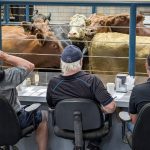
CFIA officials reviewing XL procedures

The number of Canadian confirmed cases of E. coli from the XL beef plant at Brooks, Alta. had reached 11 by press time Monday. Meanwhile, the beef recall had spread from North America to Hong Kong. The Hong Kong Centre for Food Safety had advised local companies to stop selling and to recall “a small


Canada beef warning broadened to new products

Reuters / A public warning in Canada about beef possibly tainted with E. coli has been updated to include additional products. The Canadian Food Inspection Agency (CFIA) released a list of dozens of products Sept. 30 made from beef voluntarily recalled by XL Foods, whose plant in Brooks, Alberta, was temporarily shut by the agency

CFIA temporarily closes XL plant

The Canadian Food Inspection Agency (CFIA) has temporarily shut one of the country’s largest meatpacking plants after contaminated beef products, that were distributed across Canada and the United States, are believed to have sickened several people. The operators of privately held XL Foods’ plant in Brooks, Alberta have not done enough to prevent contamination by


Farm groups set objectives for fall session of Parliament

With the Canadian Wheat Board battle in the rear-view mirror, this fall’s parliamentary session won’t be as controversial. But long-promised legislation to set standards for railway service levels, drought aid for Ontario and Quebec farmers, and the new Growing Forward deal — expected to make farmers more responsible for their financial well-being — should generate

Chicken producers will face on-farm audits under new Animal Care Program

Officials say the Animal Care Program meets consumers’ demand for increased 
accountability to ensure livestock are properly cared for

Chicken producers in Manitoba are about to see more comprehensive audits of their farms as the result of a nationwide Animal Care Program. But for most chicken producers, the program won’t change how they raise their birds. “We’ve been managing the animal care on an informal basis up until now,” said Jake Wiebe, chairman of


Measuring food safety

How safe is our food? What is the economic cost of foodborne illness? How does Canada’s food safety performance compare to other countries? In spite of what you may have read recently, we don’t have clear answers to any of these questions, nor will we anytime soon. Not everything that counts can be counted, as

Traceability initiatives announced

Staff / New regulations will soon make traceability mandatory for pigs, the federal government has announced. The Canadian Food Inspection Agency is proposing regulations that would require custodians of pigs to identify all farmed pigs and farmed wild boars using approved methods and record and report all movements of pigs from birth or import, to


Monsanto gains approval for TruFlex

The Canadian Food Inspection Agency (CFIA) and Health Canada have granted full food, feed and environmental safety approval for Monsanto’s next generation Roundup Ready canola trait, paving the way for what Monsanto anticipates will be a commercial preview launch to farmers in 2014, a Monsanto release says. The new canola trait will be marketed under

Government putting finishing touches on new food-safety act

CFIA wants feedback on inspection changes The Canadian Food Inspection Agency is seeking feedback on its plans to streamline food-safety inspection to put more emphasis on risk management. The agency has posted background information and directions on its website www.inspection.gc.ca on how individuals, groups and associations can comment on the plans, first announced in the