
seeding at sunset

Manitoba Crop Report and Crop Weather report: Issue 1

Conditions as of May 3, 2015

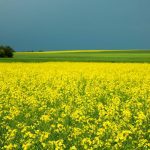
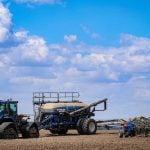
Weekly Provincial Summary Favourable weather and field conditions have resulted in an early start to the 2015 growing season. Producers across the province have started to seed, with the most progress in the Central and Eastern regions. Localized areas that had excess moisture in past growing seasons are still experiencing wet conditions and need continued
canola seed pods

Canola trade already looking past acreage estimate

However, fewer acres could mean tight supplies to come

ICE Futures Canada canola contracts held narrowly rangebound during the week ended April 24, but managed to move higher overall, with the biggest gains in the new-crop months. Statistics Canada’s acreage intentions report, released April 23, provided the big news for the week as far as canola was concerned. However, even the first official acreage


winter wheat roots

Hurry up and wait on your winter wheat crop

Get the nitrogen on now, but give the crop some time before deciding whether to keep or terminate it

Here’s some timely advice for winter wheat growers: hurry up and wait. First hurry up and apply the nitrogen the crop needs. Then wait before deciding to leave or rip the crop up because of winterkill. “As the weather gets warmer, winter wheat needs time to properly recover,” Paul Thoroughgood, regional agrologist for the Western

John De Pape

Clock ticking for company co-operation on grain price transparency

Gerry Ritz wants information posted starting Aug. 1 and John De Pape is confident the target can be met

John De Pape is trying to get all Prairie grain companies to give him their prices so he can post regional averages starting Aug. 1, but if they don’t the federal government might have to force them to. “It’s a stick the (agriculture) minister (Gerry Ritz) has,” De Pape, president of FARMCO, told the Keystone


tractor seeding in a field

How does this year’s seeding progress compare to normal?

Last week, MAFRD cereal crop specialist Pam de Rocquigny posted a table on Crop Chatter showing average seeding progress from 2009-2013, based on crop insurance data. The publication is now discontinued, but until 2009 the provincial agriculture department published an annual statistical review which contained a table showing various weather-related dates (see below). It shows

cwb sign outside building

Editorial: The farmers’ (equity) trust in the CWB

The sale of the CWB to Global Grain Group leaves many new questions for Prairie farmers

The farmers’ equity component is perhaps the most puzzling aspect of last week’s announcement that CWB has been sold. We can see the advantages to the Harper government of getting the company off its books. Moving the western Canadian grain-marketing system to an open market was an election promise that came with baggage; the administration


canola seeds

Rise in Canadian dollar pressures canola values

How a new CWB owner affects markets remains to be seen

ICE Futures Canada canola contracts dropped hard on Thursday (April 16) but managed to claw back some of those losses by Friday. The old-crop May and July contracts were both lower on the week, as a strengthening Canadian dollar provided the catalyst for a round of fund selling. The currency climbed by over two cents

CWB sign

Support for single desk wasn’t ‘cooked up’

And farmers won’t control 
the voluntary CWB


In the heat of debate it’s easy to forget a fact or dismiss your opponent’s argument out of hand. Perhaps that explains why Agriculture Minister Gerry Ritz accused Lowe Farm farmer Dean Harder of citing a “cooked up” number when the two were sparring April 15 in Winnipeg over the privatization of CWB — the


CWB building

Mixed reaction to sale details: some like it not, some like it sold

Opponents say the lack of farmer control and foreign ownership is offensive while others are glad the deal is done

The Friends of the Canadian Wheat Board (FCWB) and National Farmers Union and federal NDP oppose the sale. “This was just another step in the largest transfer of wealth away from farmers in the history of this country,” said FCWB chair Stewart Wells who farms at Swift Current, Sask., and served as an elected wheat

CWB grain elevator

Newly created buyer G3 to take majority ownership of government-owned CWB

Farmers can earn equity in CWB by delivering grain but it won’t be farmer controlled

When the Canadian Wheat Board had a monopoly to market western wheat and barley, grain farmers controlled its operation. But they didn’t own it. Now farmers who deliver grain to CWB can collectively own up to 49.9 per cent through a farmers’ trust, but they will have no control and little input. Control is with