The Chicago Board of Trade building on May 28, 2018. (Harmantasdc/iStock Editorial/Getty Images)

U.S. grains: Chicago corn, soybeans and wheat firm ahead of crop estimate

Chicago | Reuters — Chicago corn, soybean and wheat futures ticked up on Monday as traders awaited U.S. government harvest estimates later this week, with shrinking trade expectations on what are still expected to be large crops, according to analysts. A weaker dollar also underpinned grains and soybeans. Chicago Board of Trade most-active December corn


The Chicago Board of Trade Building. Photo: Kevinstack22/iStock/Getty Images

U.S. grains: Corn backs away from gains at close

Chicago | Reuters — U.S. corn futures climbed to a 6-1/2 week high on Friday on short covering ahead of the weekend and a U.S. government crop production update next week, and as U.S. export demand remained strong. However, the grain failed to hold onto the advances and settled with small losses in the most


Australian crops to surpass 10-year averages

Australian crops to surpass 10-year averages

Canola 34 per cent above 10-year average

Australian farmers are forecast to grow slightly more canola and barley this year, while wheat production may dip, according to the latest estimates from the Australian Bureau of Agricultural and Resource Economics and Sciences (ABARES).


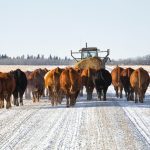
(Photo courtesy Canada Beef Inc.)

Feed Grains Weekly: Price likely to keep stepping back

Expected to drop passed last year’s lows

As the harvest in southern Alberta presses on, a broker said that is one of the factors pulling feed prices lower in the region. Darcy Haley, vice-president of Ag Value Brokers in Lethbridge, added that lower cattle numbers in feedlots, plentiful amounts of grass for cattle to graze and a lacklustre export market also weighed on feed prices.


Ducks Unlimited Canada's Alex Griffiths stands in front of a field of winter wheat at the Manitoba Crop Diversification Centre in Carberry on Aug. 6, 2025.

Birds benefit from winter wheat

Winter wheat gives better bird nesting habitat, improving biodiversity, and may cost farmers less in seed than typically thought

Winter wheat gives better bird nesting habitat, improving biodiversity, and may cost farmers less in seed than typically thought.