
Get used to it?

Just as water and climate expert Bob Sandford began his keynote address at a Winnipeg conference about water management last week, he received a text from his son back home in Canmore, Alta. It was about a river gone wild. As Sandford spoke on the science of why weather patterns are becoming more turbulent, resulting
A cake filled with edible insects in the shape of the cookbook The Insect Cookbook is displayed at the University of Wageningen. Research by scientists at the university showed that insects could provide the best source of protein to meet the needs of a rising population. Currently, 70 per cent of agricultural land is used for livestock production. photo: REUTERS/Michael Kooren

Want to lose weight? Eat bugs!

The thought of eating beetles, caterpillars and ants may give you the creeps, but the authors of a UN report published earlier this month said the health benefits of consuming nutritious insects could help fight obesity. More than 1,900 species of insects are eaten around the world, mainly in Africa and Asia, but people in


A powerful engine for growth

Researchers have discovered an environmentally sustainable instrument that could increase world food production by 30 per cent, but they’ve been having a tough time getting it commercialized. Is it a plant with a novel trait, or a new herbicide perhaps, bogged down by excessive regulations or those silly activists? Or maybe it’s a new type

Thank you for 30 years!

April 13, 2013 marked the 30th anniversary of the founding of Canadian Foodgrains Bank (CFGB). Throughout this year, we wish to celebrate and thank the many people and organizations that have created, built and supported the CFGB over the years — the early visionaries, the practical people who worked out the mechanics, the many farmers


Kazakhstan farmers reap benefits of conservation tillage

Farmers using zero till reported yields of two tons per hectare while some farmers 
using conventional practices lost their entire crop

Kazakhstan’s 2012 drought and high temperatures cut the country’s wheat harvests by more than half from 2011 output, but wheat under zero-tillage practices gave up to three times more grain than conventionally cultivated crops. Two million hectares are currently under zero tillage, making Kazakhstan one of the top 10 countries for conservation agriculture and helping

Letters, April 11, 2013

One super farm group needed? Danny Penner has been advocating for one “super” farm group to speak with one voice. That idea has been around for as long as there have been farmers. It’s easy to feel disassociated with the groups that are left, such as the commodity groups and the astroturf wheat-barley growers, Grain


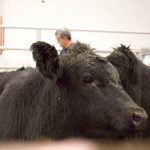
Foreign demand for beef, soybeans adds pressure on Amazon forest

A study links consumers to environmental impact on Brazil, saying foreign demand 
accounts for 30 per cent of deforestation

Reuters / Rising foreign demand for beef and soybeans will tempt Brazil to clear more of the Amazon rainforest, in a reversal of recent success in slowing forest losses, a study said April 4. About 30 per cent of deforestation in Brazil in the decade to 2010 was due to farmers and ranchers seeking land

Fighting more deserts

When I went to the barber in Swift Current in the summer of 1937 to get a haircut and shave, he said the haircut was OK but he had quit shaving people. I asked “how come” and he said he couldn’t keep an edge on the razor anymore. With the terrible dust and the shortage


UN bodies want to tackle drought to avert food crisis

Reuters / UN agencies want to strengthen national drought policies after warnings that climate change would increase their frequency and severity. Droughts cause more deaths and displacement than floods or earthquakes, making them the world’s most destructive natural hazard, according to the Food and Agriculture Organization, one of the groups taking part. “We must boost

Conference board food strategy consultation a smokescreen

Why the National Farmers Union won’t be participating in the conference board discussions towards a national food strategy

For those of us who care deeply about locally based food systems and who recognize the role food can play in strengthening our communities, ecosystems and economies, it can be tempting to jump at each and every opportunity to get a piece of our vision mentioned in larger discussions about food and agriculture. As part