
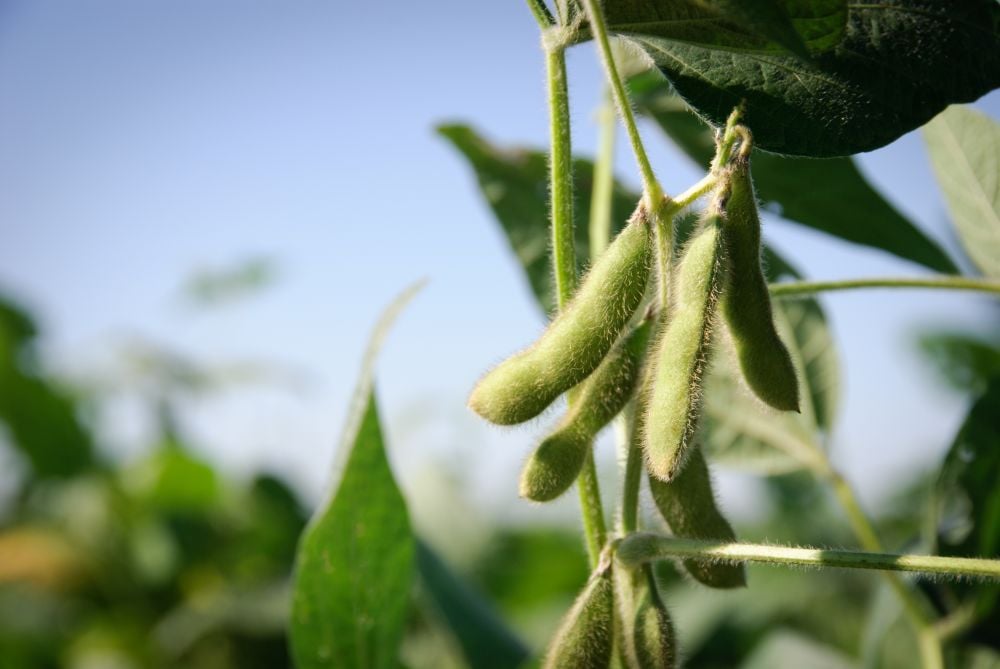


Soil biology is garnering more attention as crop input costs rise.

Farmers test microbes to nourish crops as climate pressure grows, costs rise

Soil biologicals are getting a lot of attention — and research money — in the past couple of years

Reuters – Tech companies are raising hundreds of millions of dollars, including backing from agriculture heavyweights like Bayer AG, in developing farm products that use living things like microbes and seaweed to nourish crops and lessen the need for synthetic fertilizer. Microbes, including fungi and viruses, have been available for decades as treatments to protect
“I would say that for this coming year we should have a special formulation of 4R and I’m calling it EC. It’s Extra Careful... ” – Don Flaten.

Soil fertility a high-stakes game

Playing the right cards at the right time is key in this cost environment

Farming has its highs and lows and right now input prices are high while — despite our snowpack — soil moisture reserves are low. This puts farmers into a high-stakes poker game where there could be considerable rewards for proper fertilizing but there could also be a penalty for skimping and starving your crop. Retired


Laura Van Eerd shows the difference between corn grown on cover-cropped soil versus non-cover-cropped soil in this composite photo.

Long-term Ontario studies showing value of cover crops

Boosting organic matter in soils proved to boost profit margins and reduce yield variation year to year

A series of long-term studies in southern Ontario are showing the value of cover crops and boosting soil organic matter. When combining data across experiments and research stations, University of Guelph soil scientist Laura Van Eerd said they consistently saw higher corn and soybean yields correlate to higher soil organic matter. Van Eerd spoke during a webinar hosted

Editor’s Take: Simple solutions

The agriculture industry is — rightly — proud of its track record of adoption of cutting-edge technology and techniques. From GPS positioning and auto steer to data collection and prescription soil mapping, information is the lifeblood of the farm of today and tomorrow. Which is why it’s so perplexing that relatively few farmers avail themselves


The humble soil test is your best bet this fall for better nutrient management after a drought.

Soil testing even more crucial after drought year

A poor crop year means nutrients may be left in the soil. An accurate reading of what’s there can help farmers reduce costs and manage nutrients better

After a drought year, soil testing is more crucial than ever — and farmers may like the results they get. “In the driest areas with the poorest yields, we’re hearing of very high levels of nitrogen remaining,” said John Heard, soil fertility specialist with Manitoba Agriculture and Resource Development. “I have never been so curious


Soil

Corteva showcases offset program to farmers

U.S. farmers grill company on its pilot program. Plus — when will it come to Canada?

It doesn’t take a genius to see the math doesn’t add up, Corteva Agriscience rep Ben Gordon acknowledged during a webinar promoting its carbon offset program. Farmers have to do it for the soil health and long-term gain if they’re going to join, he said. It was U.S. farmers and ag-interested folk only on Corteva’s

(MyLand.ag)

AGI to buy into soil microbe breeding firm

Machinery maker to take minority stake in MyLand

A U.S. company ramping up a system to harvest, reproduce and restore beneficial microbes from a field’s own soils, as a way to restore peak fertility, expects to get backing soon from a Canadian farm equipment maker. Winnipeg-based Ag Growth International (AGI) said Monday it has signed a conditional letter of intent with Phoenix-based MyLand


A certified crop adviser says Canadian farmers are losing close to $3 billion a year due to lost productivity caused by degraded, unhealthy soil.

Tending to your farm’s factory floor: its soil

The health of your farmland can have a big impact on your bottom line

In any manufacturing business productivity is a matter of managing the building, the machinery and the workforce to put the product together in a cost-effective way. In farming, soil is the factory floor and growing a profitable crop is a matter of managing the biology and chemistry of the field within the limits imposed by

Many people with livestock are searching for grazing land and a growing number of farmers are thinking about integrating livestock into their farms.

MOA soil health project to match livestock producers, landowners

Livestock integration, reduced tillage, perennials and cover crops to get a boost on organic farms with Conservation Trust funding

A website that will pair landowners with livestock producers in search of grazing land, and a cost-shared consultant agronomy program are two projects the Manitoba Organic Alliance (MOA) is taking on in a project called “Improving soil stewardship on Manitoba organic farms” funded by the Conservation Trust. “Organic farms are really well positioned to be