
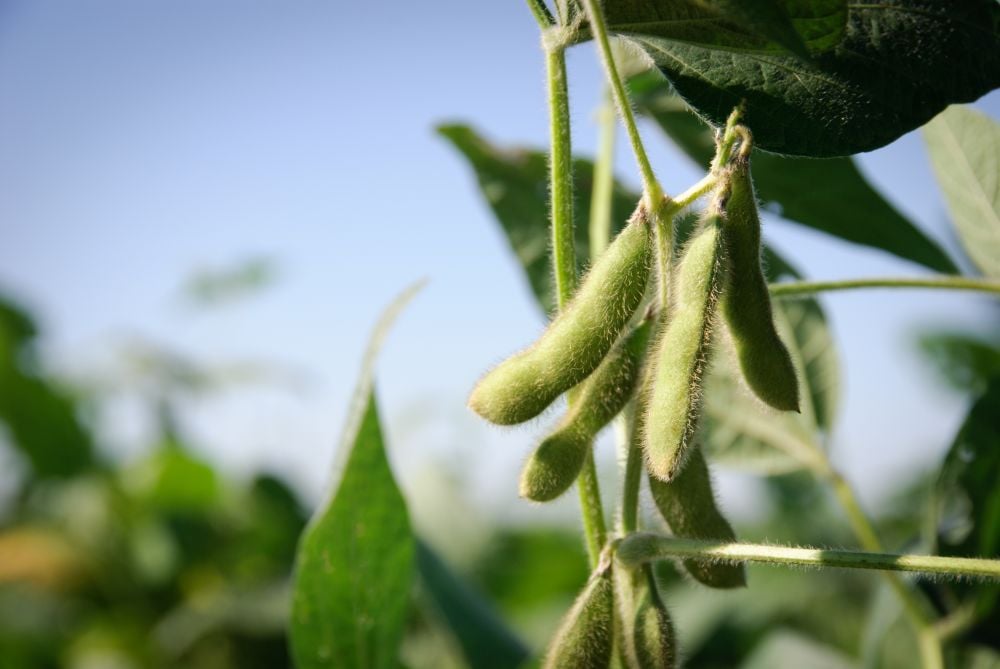


photo: thinkstock

Squirrels know best: nuts make you live longer

Afew nuts a day might make you live longer, a newly published study in the New England Journal of Medicine says. “Compared with those who did not eat nuts, individuals who consumed nuts (serving size of one ounce) seven or more times per week had a 20 per cent lower death rate and this association

Teachers see a much different dynamic in their classroom compared to 25 years ago, says Alison Delf-Timmerman, Treherne-based home economics teacher in the Prairie Spirit School Division and board member of Manitoba Association of Home Economists (MAHE).

Province promises long-overdue update of home economics curriculum

Curricula used to teach classes such as family studies and foods and nutrition in 
Manitoba schools has remained unchanged since the late 1980s

Manitoba home economists are applauding a provincial plan to give the home economics curriculum a long-overdue update. The current one is 25 years old, said Alison Delf-Timmerman, a board member of the Manitoba Association of Home Economists, which has been asking the province to freshen up the curriculum. “It definitely needs updating,” she said.“We’re very


Report cites concerns related to the “normalization” of processed and packaged foods” and concerns that the next generation’s food choices will be limited because they lack confidence to prepare food.  photo: thinkstock

New report says improved food literacy key to a healthier life

Conference Board of Canada says too many people can’t understand nutrition labels, 
make a meal in their kitchen, or stick to a food budget to reduce waste

Improved food literacy would improve the health of Canadian adults and children, says a new report from the Conference Board of Canada. The number of books, television programs and websites dedicated to food — not to mention diets — continue to multiply, but our understanding of food isn’t necessarily getting better, says the 46-page report.

A Diamond Food’s Pop Secret microwave popcorn box is seen illustrated in New York, November 8, 2013. The U.S. Food and Drug Administration November 7, 2013 proposed banning artificial trans fats in processed food ranging from cookies to frozen pizza, citing the risk of heart disease.  
photo: REUTERS/Shannon Stapleton

Popcorn makers could face long, expensive road to lose trans fats

Microwave popcorn makers could face a long and difficult task ridding their snacks of trans fats, if a U.S. Food and Drug Administration proposal to ban the additives goes into effect. Just ask Orville Redenbacher. Redenbacher’s, a division of ConAgra Foods Inc., spent six years changing its leading line of popcorn, company scientists said Nov.


Saturated fats do not yield better bacon

Saturated fats do not yield better bacon

A recent paper published in the Journal of Animal Science suggests producers may want to adjust pig diets when including distillers dried grains with solubles (DDGS). Some producers believe that feeding pigs saturated fats will undo the fat-softening effects of DDGS. Firmer fat means longer-lasting pork. But researchers from the University of Illinois found that


Optimizing the use of energy in pig feeds

With the cost of dietary energy more than doubling in the last eight years, it’s vitally important to optimize the efficiency with which it is utilized. Meeting the energy specifications of a typical grower diet now represents about 85 per cent of the cost of the diet and over 50 per cent of the total

Fruit flies fed organic diets are healthier

Fruit flies raised on diets based on organic foods performed better on a variety of health tests, including fertility and longevity

Researchers aren’t sure why, but fruit flies fed organic fruits and vegetables in a laboratory study lived longer and produced more offspring than flies fed a non-organic diet. The study from the lab of SMU biologist Johannes H. Bauer, Southern Methodist University, Dallas, found that fruit flies raised on diets of organic foods performed better


Southern U.S. farmers set fast corn-planting pace

chicago / reuters Farmers in southern areas of the United States were ahead of the typical corn-planting schedule as dry weather allowed them to access their fields earlier than usual, government reports showed March 25. In Louisiana, farmers had already planted 86 per cent of their corn crop, up from 56 per cent last week