


Ontario Weed Resistant To Glyphosate

The University of Guelph has confirmed that a population of giant ragweed in a field near Windsor, Ont., are Canada’s first glyphosate-resistant weeds. The discovery is of no immediate threat to Manitoba farmers because giant ragweed is not common here, nor is the Ontario corn belt’s corn-soybean rotation, said Manitoba Agriculture, Food and Rural Initiatives’

Flooding History, Conditions At Odds

Even though the historical odds are very slim that the Fargo-Moorhead area will have another major flood this spring, conditions indicate the opposite, according to Adnan Akyuz, North Dakota’s state climatologist and assistant professor of climatology in North Dakota State University’s soil science Department. “In 113 years of recorded history, there were only three incidents


Assessing Snow Load On Rooftops

After the many recent roof collapses of agricultural buildings caused by excessive snow loads, we have been monitoring conditions in a research effort to relieve or reduce the amount of snow that builds up on a roof. Although people are rightfully concerned about their other buildings once they’ve had one collapse, buildings handle snow loads

Strip Tillage Touted As Beneficial For Row Crops

“To me, it’s a real nice compromise.” – GREG ENDRES, NDSU Row crop farmers who want to switch from conventional tillage but not to zero till may find a middle ground with strip tillage. Strip tillage is a system which allows growers to seed directly into a prepared seedbed while still retaining crop residue on


Are U. S. Ethanol Producers Making Money Now?

The past year was challenging for the U. S. ethanol industry because at least a dozen ethanol plants filed for bankruptcy nationwide. However, profit margins for many plants have improved recently. This begs the question: Are ethanol plants making money now? Data provided by Iowa State University’s Agricultural Marketing Research Center shows ethanol production was

Don’t Scoop From One Spot For Mycotoxin Tests

Moulds and mycotoxins generally grow sporadically throughout a field, with some areas clean and others high in mould. If you are planning to submit a grain corn sample for mycotoxin testing, contact the lab you are dealing with to determine the proper way to obtain and ship the sample. However, here are some general guidelines.


Harvesting Wet Soybeans

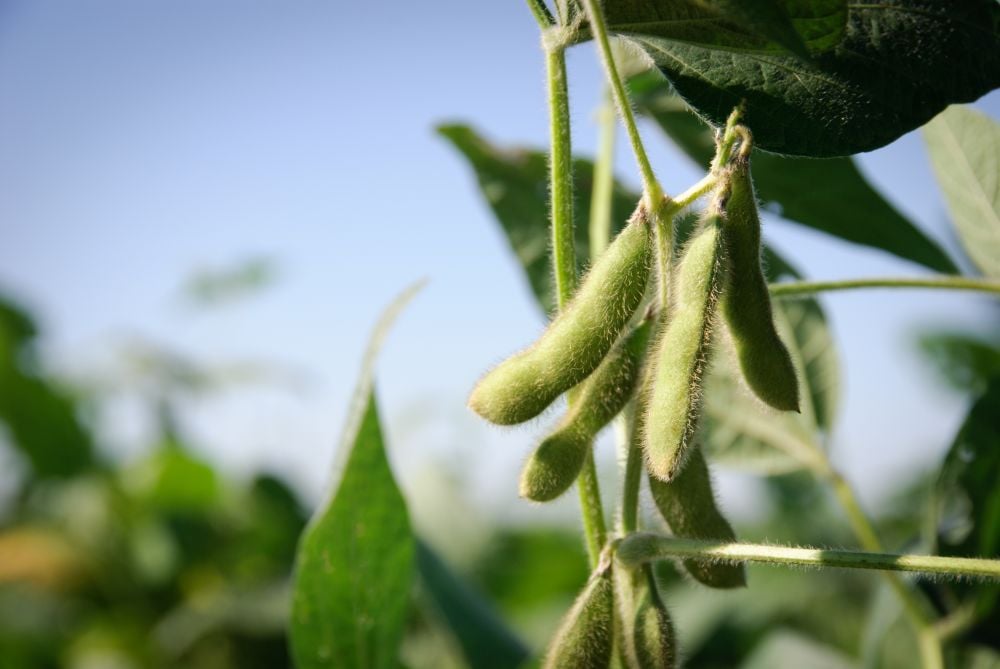
You want your beans in the combine, not on the ground. After a tough growing season for soybeans there are two more hurdles – harvest and drying. When racing to get the soybeans off keep the combine groundspeed reasonable. It helps keep the cutterbar low which reduces losses. The best beans are often lowest on

U. S. Wheat Farmers Struggle With Low-Protein Crop

Farmers in the northern U. S. Plains are harvesting a bin-busting spring wheat crop, but much of it has a lower-than-normal protein content, which lowers its value, industry experts said. “We have one of the lowest average protein contents that we’ve had in the spring wheat crop in years,” said Mike Krueger, president of the


How Soon Will Cellulosic Ethanol Arrive?

The arrival of ethanol produced from cellulosic feedstock sources has almost been a standing joke within the ethanol industry. Each year it has always been “four to five years down the road” before commercial production would become viable. That’s changed: the “four to five years” is now. At a recent ethanol workshop, several companies, including

Be On Lookout For Blue-Green Algae

July is not too early for toxic blue-green algae (cyanobacteria) to appear on your pond or lake, says Roxanne Johnson, North Dakota State University Extens ion Ser vice water quality associate. A rural Devils Lake family lost a dog and two horses recently following possible ingestion of water from a nearby pond. The dog was