
AgriStability changes unwelcome

Opinions on the effectiveness of AgriStability may differ, but most feel farmers are getting shortchanged

Producers will have to take a close look at their farm’s finances before deciding if AgriStability is the right program for them in the coming years, say Prairie farm leaders. Last fall, changes were made to how program payouts are triggered. For some producers these changes will come into effect in 2013. “It’s all over

Will grain farming follow same corporate ownership path as hog production?

Not all KAP members are as sanguine about farming’s future as its president Doug Chorney or Manitoba Agriculture Minister Ron Kostyshyn. Lowe Farm-area farmer Butch Harder warned changes to the Canada Grain Act weaken grain farmers. With foreigners buying farmland and the government cutting safety net programs, grain farming is being corporatized, he warned. “I


Pallister calls for caution on cosmetic pesticide ban

Brian Pallister says Ontario’s ban has resulted in grass fields being replaced by artificial turf harbouring infectious bacteria

Banning pesticides from Manitoba lawns and sport fields could have unintended negative consequences, says Manitoba Progressive Conservative Party Leader Brian Pallister. Banning so-called “cosmetic pesticides” — those not used in agricultural production — in Ontario has resulted in “an explosion of artificial turf fields,” because grass fields have been overrun by weeds, Pallister said in

KAP sets up Puratone meeting

Keystone Agricultural Producers (KAP) is hosting a meeting Dec. 3 to try and clarify where grain farmers owed money by Niverville-based Puratone stand. “We’re not going to be threatening people or making statements of claim,” KAP president Doug Chorney said in an interview Nov. 26. “We really just want to get the facts out because


KAP demands Ottawa improve meat inspections

It wasn’t farmers who screwed up at the XL Foods plant, but they’re the ones paying the price. That was the view of farmers attending the recent Keystone Agricultural Producers’ General Council meeting. “We feel it’s the producers who are paying for someone else’s mistakes along the way,” said Minto farmer Bill Campbell. KAP passed

Fertilizer deadline Nov. 10

Manitoba farmers have until Saturday, Nov. 10 to finish applying fertilizer to their fields. Provincial government regulations prohibit the application of synthetic fertilizer and manure between Nov. 10 and April 10. The restriction is based on the presumption the ground is normally frozen then. Fertilizer and manure applied to frozen soil is more vulnerable to


No new funding for hog producers

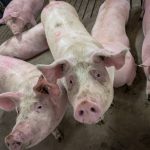
Hog producers won’t be getting any additional government help. Weeks of talks between Ottawa, the provinces, and producer representatives have ended with producers being told to make use of existing support programs. “I was pretty disappointed to see that,” said Karl Kynoch, Manitoba Pork Council chairman. “This shows us that government is not taking the

Nitrogen plants popping up like mushrooms

Lured by the promise of cheap and plentiful natural gas, more hopefuls are jumping into the nitrogen fertilizer production. Earlier this spring, Northern Plains Nitrogen (NPN) launched plans for building a $1.5 billion North Dakota project, and in mid-September, CHS Inc., the largest farmer co-op in the United States, unveiled its plan to open a


KAP on board with N.D. fertilizer plant project

Keystone Agricultural Producers is joining the North Dakota Corn Growers Association’s bid to build a farmer-owned nitrogen fertilizer plant. With a feasibility study already completed, and sites in eastern North Dakota being examined for the $1.5-billion plant, the project is moving towards the business-planning stages. Following consultations with commodity groups with the organization, KAP has

Time to think about PR

Perhaps one shouldn’t tempt fate by talking about a crop that isn’t in the bin yet. It won’t be a bumper for everyone, and let’s not forget those still struggling with the aftermath of last year’s flood, or those on the wrong side of the feed grain price equation. That said, there are some eye-popping