

(Dave Bedard photo)

U.S. judge halts California plan for warnings on glyphosate

Chicago | Reuters — A federal judge has temporarily blocked California’s plans to require cancer warnings on products containing glyphosate, in a win for manufacturer Monsanto. U.S. District Judge William Shubb said the warnings would be misleading because glyphosate is not known to cause cancer, according to court documents filed on Monday in California. He

(Dave Bedard photo)

German coalition deal sets no timetable to end glyphosate use

Hamburg | Reuters –– Germany’s draft coalition government deal includes a goal of ending use of glyphosate herbicide within the country, but gives no time frame, after Berlin swung a vote in November extending its use across the European Union. The timing of an end to glyphosate use has been highly controversial in Europe amid


(Dave Bedard photo)

France says will not ban glyphosate when no alternative

Saint-Genes-Champanelle, France | Reuters — France will not force farmers to stop using glyphosate after a ban planned within three years, in cases where an alternative has not been found, President Emmanuel Macron said on Thursday. He added that this would likely concern 10 per cent of farms while solutions could be found for the

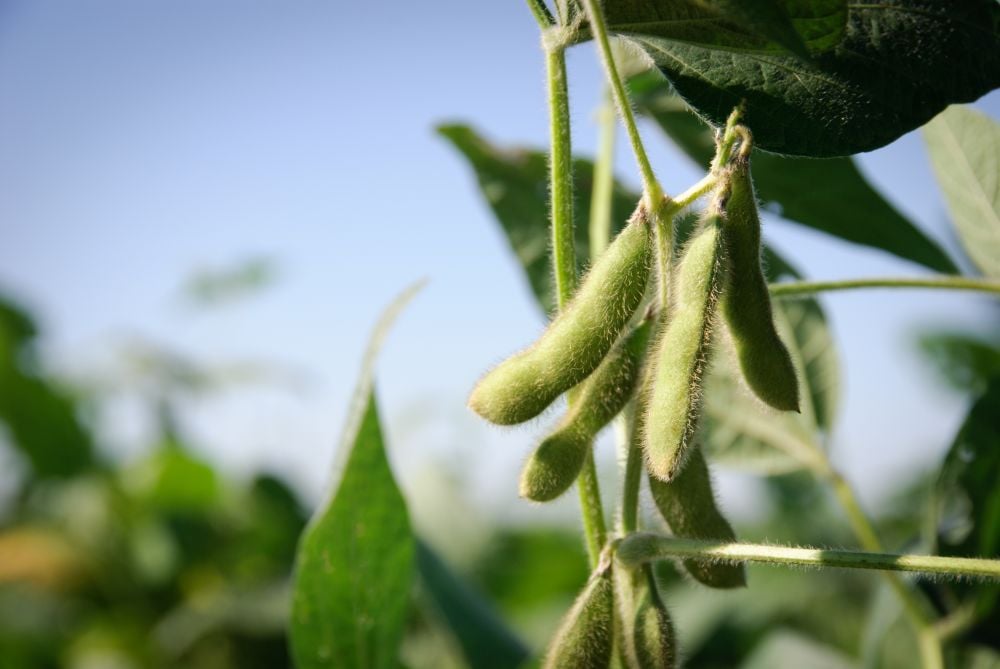
Triple-stacked soybeans will hit fields sooner than dicamba-tolerant canola, says Monsanto's Robb Fraley.

Monsanto highlights research pipeline for canola, soybeans

Xtend soybeans with added glufosinate tolerance isn’t far off, but glyphosate- and dicamba-tolerant canola is still five or six years out

Dicamba-tolerant canola is coming and so is a triple-threat soybean, resistant to glyphosate, dicamba and glufosinate. That’s just some of what’s in Monsanto’s crop and weed-control pipeline, Robb Fraley, the seed and pesticide giant’s executive vice-president and chief technology officer told reporters during a conference call Jan. 4. Fraley sees great things coming from new


The Canada 150 emblem in a durum field. (Agr.gc.ca)

Steady to lower durum market expected

CNS Canada — Larger-than-expected production, a seasonal slowdown in demand and looming Italian country-of-origin-labeling regulations all loom over the Canadian durum market, with steady to lower prices anticipated over the next few months. Italian COOL regulations are set to come into effect in mid-February and require pasta makers in the country to segregate foreign durum,

Germany’s Agriculture Minister Christian Schmidt. (Thomas Imo photo, Bmel.de)

Germany’s Merkel scolds ally in glyphosate row

Berlin | Reuters — German Chancellor Angela Merkel scolded a minister on Tuesday in a bid to shield talks on forming a coalition government from a dispute between cabinet colleagues over an EU herbicide licence. Conservative Agriculture Minister Christian Schmidt angered the centre-left SPD on Monday by breaking protocol to back a European Union proposal


(Dave Bedard photo)

Germany swings EU vote in favour of glyphosate

Brussels | Reuters — Germany defeated its key EU ally France in a very tight vote on Monday to clear the use of glyphosate herbicide for the next five years after a heated debate over whether it causes cancer. After months of indecisive votes among the 28 member states in Brussels, Germany, whose Chancellor Angela

Photo: Reuters

U.S. farm study finds no firm cancer link to glyphosate

London | Reuters – A large long-term study on the use of the big-selling weedkiller glyphosate by agricultural workers in the United States has found no firm link between exposure to the pesticide and cancer, scientists said on Thursday. Published in the Journal of the National Cancer Institute (JNCI), the study found there was no


(Dave Bedard photo)

EU delays decision on glyphosate

Brussels | Reuters — EU countries failed on Wednesday to vote on a licence extension for glyphosate, delaying again a decision on the widely used herbicide that critics say could cause cancer. The European Commission said in a statement the relevant committee did not hold a vote at a meeting and that it would announce

Soybeans damaged by dicamba. The Arkansas State Plant Board wants to ban in-crop dicamba use from April 15 to October 31 following almost 1,000 complaints about dicamba drift damaging nearby crops. The proposal needs approval from the Executive Subcommittee of the Arkansas Legislative Council.

Arkansas moving closer to in-crop dicamba restrictions

Its plant board wants an April 15 to Oct. 31 ban to prevent injury to crops from drift

Arkansas farmers might not be allowed to apply dicamba in annual crops during the 2018 growing season. A regulatory change prohibiting dicamba applications between April 15 and Oct. 31, was approved by the Arkansas State Plant Board, Arkansas’ Agriculture Department said in a news release Sept. 21. Read more: U.S. EPA gives dicamba ‘restricted use’ label