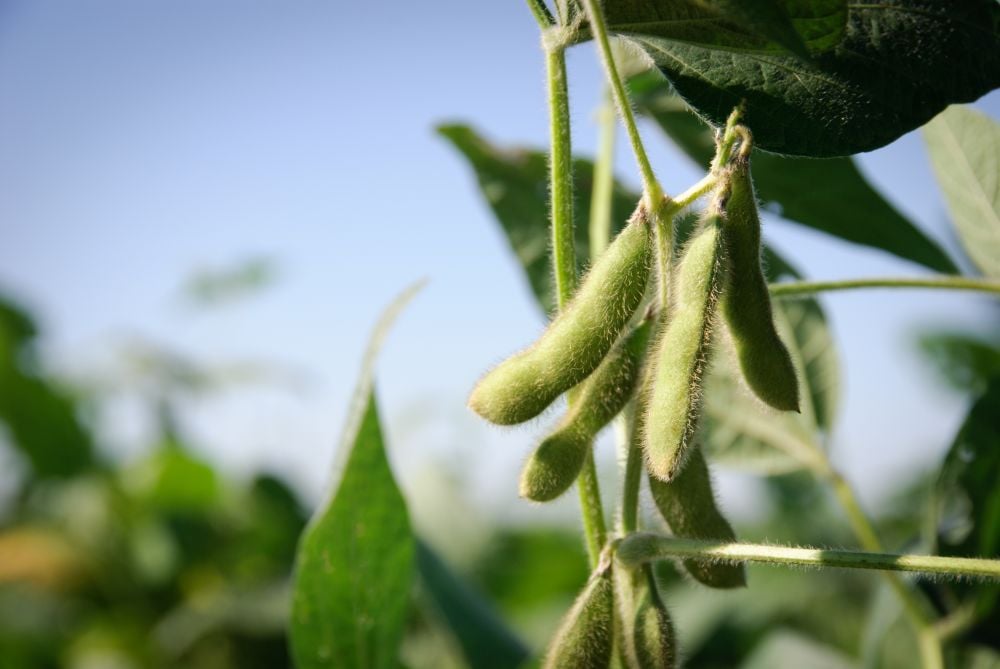


Soybean cyst nematode was confirmed in Manitoba in 2019.

Soybean cyst nematode in crosshairs for food-grade soybeans

Future varieties will resist diseases SCN and white mould

Soybean cyst nematode and white mould are bad news for Canadian soybean growers and, although both are more of an issue to the east, SCN has been creeping into Manitoba for the last five years. In 2021, Manitoba saw its first field with symptoms, although the first finding of the nematode dates back to 2019.

Greenhouse-grown canola plant with two introduced clubroot resistance genes shows promise for the future, says researcher Fengqun Yu.

Clubroot ‘race profiling’ can help boost resistance in canola

Research team sets stage for next generation of canola resistance

Glacier FarmMedia – Racial profiling isn’t a term most people would want to be associated with. When it’s a disease like clubroot, however, it’s different. In the fight against the yield-stealing, soil-borne scourge of canola and other brassica plants, racial profiling is the ability to select varieties that resist not only clubroot in general, but


“We should continue breeding local varieties that are adapted to Manitoba and not rely on other entities.” – Daryl Domitruk, Manitoba Pulse and Soybean Growers.

Pulse Growers releases research cluster results

Insights will push forward root rot research, variety development

Results from a five-year cluster of research will advance work on issues like root rot and develop locally adapted pulse varieties, according to the Manitoba Pulse and Soybean Growers (MPSG). The group recently released the results of studies it co-funded through the Pulse Science Cluster. MPSG contributed just over $1.4 million to eight projects within

(Leonid Eremeychuk/iStock/Getty Images)

‘Keep it Clean’ program aims for more than just good advice

Program seen as 'one stop shop' for ensuring marketability of grains

As farmers plan for the upcoming season, they need to do their part to make certain their grain will be ready for market, come harvest time. “Market access issues in general are becoming a bigger issue globally,” said Ian Epp, an agronomy specialist and lead on market access and pesticides with the Canola Council of


Clubroot will likely be found in RMs in 2023 where it has yet to be detected, predicts David Kaminski, field crop pathologist.

Crop diseases to watch for in 2023

Some pathogens are expected to be on the rise this coming year

The apparent transition into a wetter period means different diseases to watch out for, says David Kaminski, field crop pathologist with Manitoba Agriculture. Kaminski was speaking at the CropConnect conference in Winnipeg on February 15. Two crops dominate Manitoba’s agricultural landscape. Wheat and canola account for 70 per cent of the annual crop acres in

Blackleg at the base of canola stems.

An inoculation against blackleg

University of Manitoba trial shows a less-virulent strain boosts canola’s natural defences

A new biological control strategy could be a game changer in the battle against blackleg in canola. The fungal infection that has a yield-destroying effect on canola crops was first discovered in Saskatchewan in 1975 and eventually spread across the country. Blackleg is the result of the interaction between two closely related fungal species, Leptosphaeria


Aphids were once again a problem to contend with this year.

It’s a wrap on harvest 2022

Late seeding, wet conditions affected almost all aspects of this year’s crop

Despite normal or slightly above average crop quality and yield, it was far from a typical year for most farmers. For the province’s roll call of extension specialists, it wasn’t a typical year either. The extreme weather swing this year compared to 2021 left grain farmers fighting late seeding, different staging for insects and disease pressure but yields

Attendees of a Canada-Manitoba Crop Diversification Centre field day in August learn to diagnose early symptoms of black dot.

VIDEO: Researchers brainstorm on potato vine removal

Labour is the biggest hurdle to the disease management practice

Researchers at the Canada-Manitoba Crop Diversification Centre (CMCDC) are looking for ideas that would lessen the labour of removing green potato vines in the fall. The practice is pitched as a control measure against pathogens such as black dot, verticillium wilt, early blight and other diseases that carry over in potato crop residue. Why it


Blackleg at the base of canola stems.

Getting a leg up on blackleg

New research finds blackleg populations are more diverse in Manitoba

New genomic research from Agriculture and Agri-food Canada (AAFC) could give agronomists a leg up in the fight against blackleg in canola. Blackleg (Leptosphaeria maculans) is a severe fungal disease of canola plants, and with canola generating about one-quarter of all farm crop receipts in Canada, it is a serious threat to producers. The new research was

Oat leaves display chlorosis discoloration, one of the first signs of barley yellow dwarf virus.

Barley yellow dwarf virus confirmed

Despite the name, the pathogen can infect any small-grain cereal crop

An aphid carrying the barley yellow dwarf virus has been making itself known in Manitoba this year. The bird cherry-oat aphid is the main suspect when it comes to spreading the insect-carried disease, which does not spread through dirt or seed. Why it matters: While barley yellow dwarf virus, or “red leaf” when it’s found