Combines harvesting crop at sunset

KAP still working on carbon pricing policy

At the same time the Manitoba government is still consulting on a made-in-Manitoba plan to battle climate change

Keystone Agricultural Agricultural Producers (KAP) is fine tuning its carbon pricing policy even though Manitoba Premier Brian Pallister declined to sign a national framework to fight climate change at a federal provincial meeting in Ottawa Dec. 9. “It doesn’t change anything with our approach and what we are looking for in the system,” KAP president

Minto farmer Bill Campbell says based on the erratic weather on his farm the past five years climate change is real. During a debate on carbon pricing at Keystone Agricultural Producers’ advisory council meeting in Portage la Prairie Nov. 3 he argued passionately farmers should participate in reducing greenhouse gas emission.

KAP develops carbon pricing position after intense debate

Farmers should be exempted from paying a price on emissions resulting directly from food production, while getting some of the carbon revenues to help them further reduce emissions

There was vigorous back and forth as the Keystone Agricultural Producers laid out its carbon policy Nov. 3 at the fall advisory council meeting in Portage la Prairie. At times the discussion turned emotional as both sides had strongly held views on the issue. Farmers’ should be exempted from paying a price on any carbon


KAP general manager James Battershill says a good carbon pricing plan can make farmers part of the solution to reducing greenhouse gas emissions and generate farmers some new revenues at the same time.

KAP takes proactive stance on carbon pricing

The group says a good plan could help farmers be part of the 
solution and generate new revenue while doing it

Pricing carbon to encourage fewer greenhouse gas emissions and mitigate climate change will affect all Canadians, including farmers. How depends on the program each province implements. It could raise farmers’ nitrogen fertilizer and fuel costs, but sequestering carbon with zero-till or rotational grazing could earn credits offsetting some of those costs. And while some farm

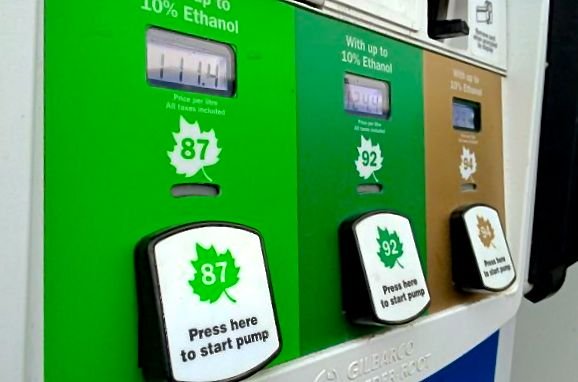
Thousands of litres of fuel are needed for farmers to grow, maintain and harvest their crops, and a carbon tax could dramatically rise their fuel costs.

Carbon tax alarms agriculture groups

Too heavy-handed regulation that’s out of step with other countries could put Canadian farmers at a disadvantage

Proposals for a carbon tax to help reduce emissions that cause climate change pose a major threat to Canadian farmers, says the Western Canadian Wheat Growers Association. Canadian farmers already have to cope with a tough climate, says Robin Speer, WCWGA executive director. “They’re already producing more food while using less land, water and fuel


Green Party leader, James Beddome, speaks during a press conference, while David Nickarzn looks on.

Manitoba needs a carbon tax: Beddome

Another voice is added to the debate over farming and greenhouse gas emissions in Manitoba

The word “agriculture” may not have made it into the text of the Paris climate agreement, but in Manitoba, climate change and agriculture have been appearing together a lot in recent days. Only a few weeks ago the Manitoba government released its Climate Change and Green Economy Action Plan, and now Manitoba’s Green Party has