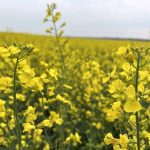
(Dave Bedard photo)

Scientists take sides: Who’s right about glyphosate?

London | Reuters — The latest dispute to blow up around the International Agency for Research on Cancer (IARC) concerns glyphosate, an ingredient in one of the world’s most widely-used herbicides, Roundup, made by Monsanto. In March 2015, an IARC monograph concluded that glyphosate is “probably carcinogenic.” Yet seven months later the European Food Safety


Putting the IARC announcement on meat into context

Putting the IARC announcement on meat into context

Of the 982 products reviewed since 1971, only one — yoga pants — 
was found to have no association with cancer


An evaluation of red and pro­cessed meat from IARC (the International Agency for Research on Cancer) was released in October 2015. As with any study, there needs to be some context and perspective to be more fully understood. For expanded details of the IARC evaluation click here. Here’s some background information that can help with

(Dave Bedard photo)

EU scientists say glyphosate unlikely to cause cancer

Brussels | Reuters — Glyphosate is unlikely to cause cancer in humans, according to the European Food Safety Authority (EFSA), which nevertheless proposed limits on Thursday on the amount of residue of the herbicide widely used by farmers deemed safe to consume. The EFSA advises EU policymakers and its conclusion could lead the 28-member European


It remains to be seen whether the WHO report will be enough to encourage consumers to shun the traditional Christmas ham this year.


Bacon fans stay loyal, but futures wobble

Last week’s WHO report is just the latest blow to the U.S. meat industry

Standing at the meat counter at a Mariano’s grocery store in Chicago, a half-dozen customers bantered with the butchers about the recent World Health Organization report linking processed meat to colorectal cancer. “Give me two pounds of bacon,” said Roland Marks, 47, a software engineer, rolling his eyes. “I’ll take my chances.” It is too

This ‘I heart bacon’ photo was among many pro-pork images on the Twitterverse last week.

Pro-bacon backlash on social media

Negative tweets on the WHO recommendations outnumbers positive ones by more than 6.5 to 1

Bacon lovers took to social media last week to express disdain over a World Health Organization report that said processed meat is likely to cause cancer. The hashtags #FreeBacon, #Bacongeddon and #JeSuisBacon were among the top-trending topics worldwide on Twitter for a second straight day last Wednesday. Celebrities, politicians and ordinary consumers were reacting to


Austrian politician Andrae Rupprechter posted a picture of himself on his Facebook page with a platter of cold cuts, calling the WHO report a “farce.” Twitter

#FreeBacon sizzles on social media

WHO review: Negative tweets outnumber positive ones by more than 6.5 to one

Bacon lovers took to social media on Tuesday to express disdain over a World Health Organization report that said processed meat is likely to cause cancer. The hashtags #FreeBacon, #Bacongeddon and #JeSuisBacon were among the top-trending topics worldwide on Twitter for a second straight day. Celebrities, politicians and ordinary consumers were reacting to Monday’s announcement

Each 50-gram portion of processed meat eaten daily increases the risk of colorectal cancer by 18 per cent, according to a WHO study.

Processed meat causes cancer; red meat suspected

Study says 34,000 cancer deaths per year worldwide are attributable to diets high in processed meat

Paris / Reuters | Eating processed meat can lead to bowel cancer in humans while red meat is a likely cause of the disease, World Health Organization (WHO) experts said on Monday in findings that could sharpen debate over the merits of a meat-based diet. The France-based International Agency for Research on Cancer (IARC), part of


A Thanksgiving dinner: Darcy Miller pledged a field of soybeans to cancer research following a bout of colon cancer in 2014.

‘Phenomenal’ support for harvest to support cancer research

More than 250 turned out for a Thanksgiving weekend harvest and fundraising dinner

A pedigreed seed grower from Fortier who started a fundraiser to raise money for cancer research says there was phenomenal support over the Thanksgiving weekend and he hopes other farmers and farm businesses will take up this cause. Miller Agritec Inc. owner Darcy Miller vowed to grow a crop and donate the proceeds while in

Common cattle virus linked to breast cancer in women

A high percentage of women with breast cancer has been exposed to the bovine leukemia virus (BLV)

Researchers with University of California, Berkeley, are exploring a link between a common bovine virus and breast cancer in women. In a study analyzing 239 tissue samples from women diagnosed with breast cancer, scientists found 59 per cent had been exposed to the bovine leukemia virus (BLV) compared to 29 per cent of tissue samples