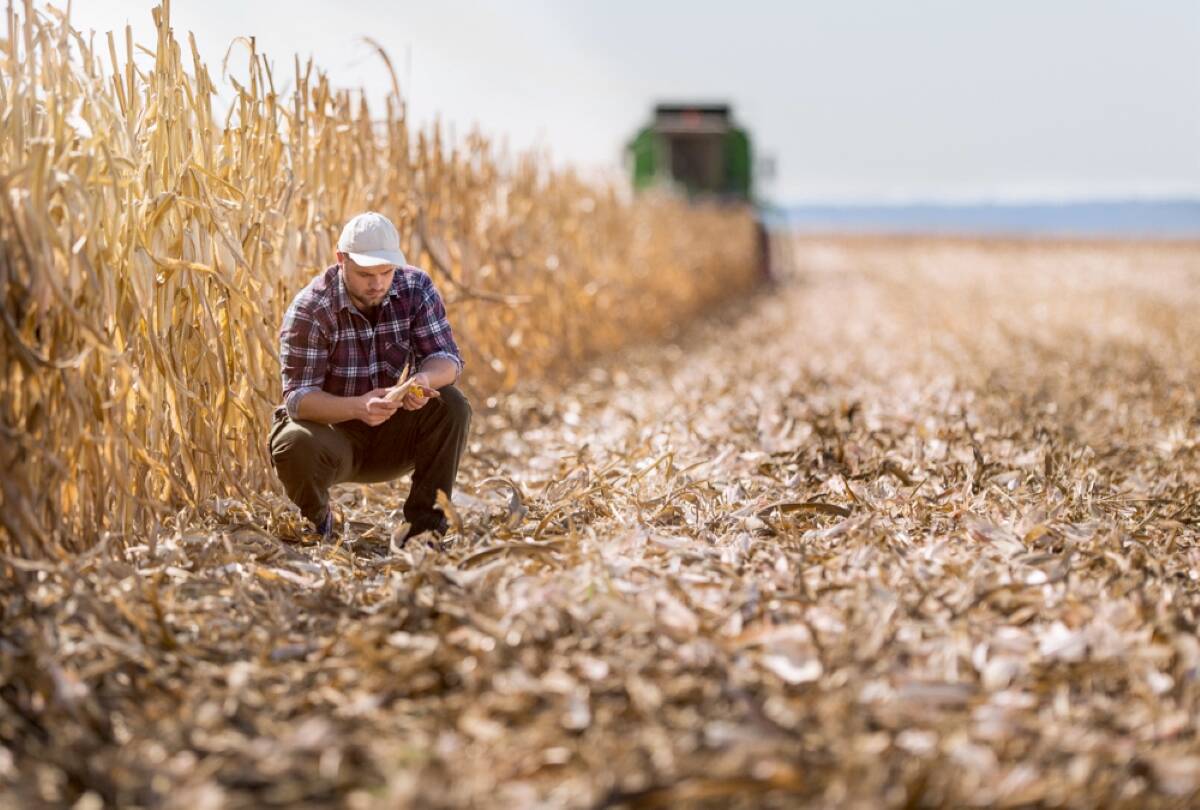
Sustainability on the farm isn’t just about soil tests; it’s also about the people.
That’s the basis of a University of Manitoba study looking at the wellness of producers themselves as one of many angles of farm sustainability.
“Nothing functions in isolation on the farm,” said Meagan King, an assistant professor in the University of Manitoba’s animal science department.
Read Also

Dairy farmers look to limit more loss of market
Canadian dairy farmers have given up 18 per cent of domestic market in recent trade deals, want government to hold the line in a CUSMA review.
King spoke during the Sustainability of Canadian Agriculture 2025 virtual conference, held March 4-6. She’s one of several researchers leading the university’s Leveraging Ecosystems to transform Agriculture on the Prairies (LEAP) program.
WHY IT MATTERS: Farm sustainability includes the wellness of the farming family and its ability to sustain the farm over generations.
LEAP’s overarching goal is to explore agriculture intensification strategies and farming systems that use technology and nature-based tools to reduce emissions, capture carbon and help the ag sector mitigate and adapt to the effects of climate change, the project’s web page says.
King’s branch of the project, which she co-leads with professor Kyle Bobiwash, involves talking to farmers to gauge how farming practices affect them, animals and the land, and to get input on producer priorities.
The ‘good’ farmer
In the context of sustainability, there’s the concept of the “good farmer,” King said.
It’s an identity many farmers claim for themselves. It includes production and economics, but also involves things like self-reliance, providing for one’s family, continuing the farm legacy and even relates to the tidiness of the farm.
“There’s a lot of pride that comes with being a good farmer, but there’s also a lot of pressure,” King said. “Feelings of failure can arise if a farmer is unable to manage every single degree of the farm to a certain standard that they’re holding themselves to.”
Perceived failures can feel like a threat to the farmer’s identity. Criticisms of how a farm does things or being forced to change can also threaten farmers’ concept of self.
“A lot of farmers see themselves as stewards of the land,” King said. “If the public is questioning their methods or even if a farmer is having an internal conflict of what they want to, versus what they actually can do, that can create problems.”
Succession and sustainability
Farm succession planning is another human-centred aspect of sustainability, King noted.
“There have been studies that have looked at having a person identified as the identified successor (which) has the ability to reduce the uncertainty for the current farmer,” King said. “It also increases that incentive to make changes, even if they’re laborious ones.”
This could include starting more sustainable farming practices.
Succession is a famously tricky topic. One in five Canadian farms have a transition plan in place, said Heather Watson, executive director of Farm Management Canada, during a talk on succession at the 2025 Ag in Motion farm show in Saskatchewan.
She also noted what she called the succession effect.
When a farm has identified a successor, “you think, ‘OK, all my blood, sweat and tears are going towards this person or these people,’” Watson said.
When a farm hasn’t identified a successor, “maybe you start to feel a little more tired, and you start to maybe not take as many risks because you don’t have that many years to make up for it if something goes awry,” she added.
Farmers care about soil health and water quality, but at the end of the day, investing in these can be expensive, King said in an interview.
Whether a farm is able to establish a succession plan can often come down to family dynamics. It can also be influenced by the farmer’s perceived level of self-efficacy — their belief in their own ability to do what needs to be done to get a desired outcome.
Under the LEAP program, graduate student Jess Goodwin is interviewing farmers about succession and self-efficacy.
Doctoral student Esther Adigun, meanwhile, will explore other areas like mental wellness, social networks and how farmers feel supported through their communities and families.
Wellness insights for policy, advocacy
Researchers hope they can give agriculture organizations useful information as those groups support and represent members, King said.
Keystone Agricultural Producers, the National Farmers Union and Manitoba Beef Producers are among organizations partnering with the LEAP program.
King said co-leader Bobiwash would also like to put some farmers directly in contact with policy makers.
“One of the roles we could play as researchers is, like, elevate the farmers’ voices and make sure that they are at the table,” King said. “Commodity groups are at the table, but it doesn’t hurt to have a few more … farmers who are being heard.”
To learn more about participating in LEAP program research, farmers can contact Meagan King at [email protected].