The nature of the futures markets is that they are a constant back-and-forth between what may be in the future and what is the reality of the present. Using whatever data available to them, market participants make their best educated guesses on what commodities will be worth in the future. My Gen Z kids would call it trading on “vibes.”
The canola market received a shot of positive vibes heading out of the Thanksgiving weekend, with comments from China’s ambassador to Canada claiming China would end its tariffs on canola if Canada stopped its own levies on Chinese electric vehicles. This was seen as a thawing of trade relations between the two countries. Canola futures climbed to their highest levels in a month in subsequent sessions, outperforming the Chicago soy complex even without any actual concrete developments on the trade front.
Read Also

Weed resistance closes in on glufosinate
Expanded soybean acres and tighter application windows have eroded buffers that have so far protected Liberty herbicide on Prairie farms
While Prairie premiers and others in the ag sector ramped up their calls for the federal government to do something to end the impasse with China, halting tariffs on Chinese EVs seems highly unlikely given the importance of the auto sector to vote-rich Ontario.
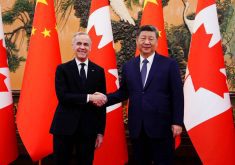
Prime Minister Mark Carney said at a press conference that he expects to meet with Chinese leaders later in October but would not single out electric vehicles or canola as bargaining chips. Rather, he said the countries were talking about “a much broader range of issues than single sectors and single trades”.
Canadian foreign minister Anita Anand met with her Chinese counterpart in Beijing during the week, with canola and electric vehicles part of the discussions. The futures saw some modest strength on the mere mention of constructive talks, but once again there were no actual developments.
Exports
China has been Canada’s largest destination for canola seed in recent years, with their absence at the start of the 2025/26 marketing year definitely cutting into export movement. Canola exports through 10 weeks of just under a million tonnes compare with 2.3 million tonnes moved by the same point a year ago, according to Canadian Grain Commission data. However, this is also not the first time Canada has faced disruptions moving canola to China. Previous tariffs on direct business led to shifts in trade flows like increased sales to the United Arab Emirates, who crushed the seed and sent the processed oil and meal to China. Canada can also expect to sell more to other customers like Europe, Japan, Mexico and the U.S. However, that movement may be at a lower price than Canadian farmers would like to see.
Barring any real developments on tariffs beyond shifting vibes, canola will likely hold in a sideways range. The $600 per tonne level offers good support in the November contract, with resistance at $625.