There was no shortage of big ideas at the recent World Agri-Tech Innovation Summit in San Francisco.
Artificial intelligence, automation and data systems dominated nearly every session, from crop protection to robotics to biotech discovery.
However, beneath all that, one quieter theme kept surfacing.
Read Also
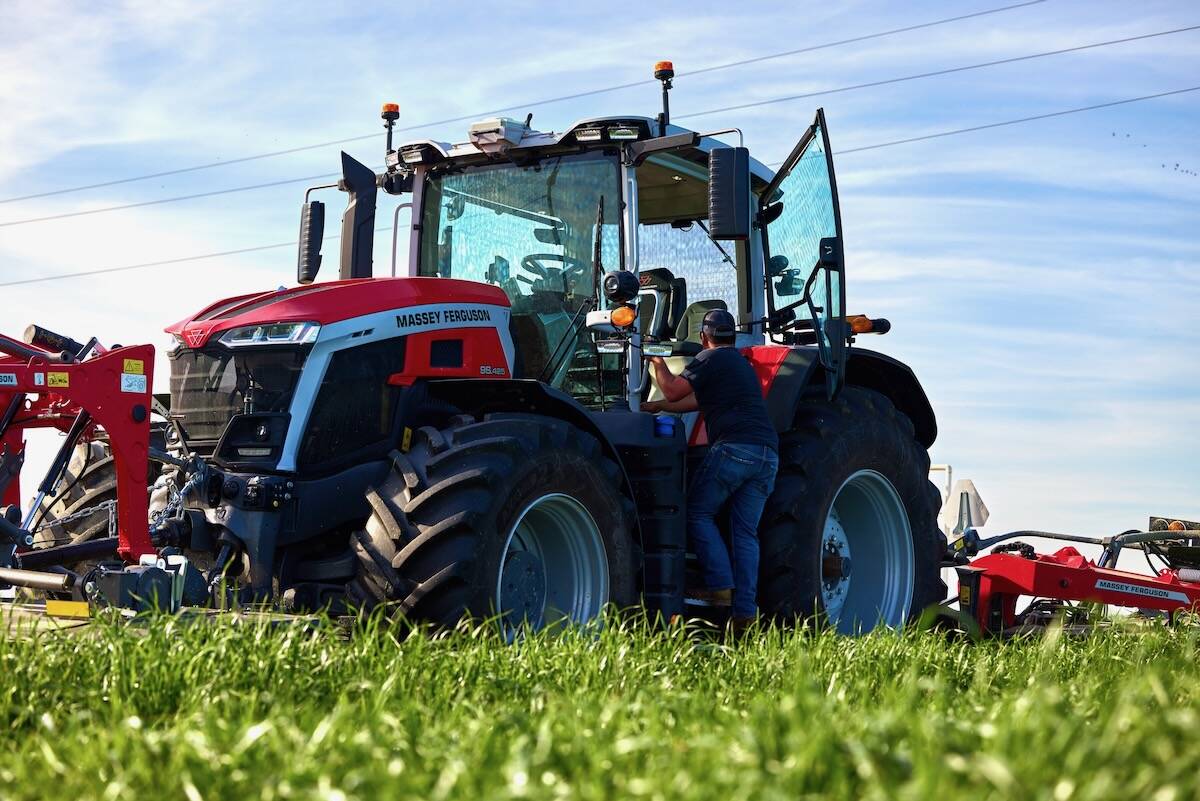
300 horses and up: What’s new for high-powered farm tractors in 2026
Tariffs and a down cycle hit equipment sales hard in 2025. Here’s what the major tractor brands offer above 300 hp heading into 2026.
A lot of the early, practical value of these systems is not in running machines. It’s in interpreting data and turning it into recommendations.
WHY IT MATTERS: As AI tools take on more of the data work, farmers will still need trusted advice to turn those recommendations into decisions that work in their fields.
In fact, based on the discussions at the summit, that part of the conversation was in the rear view mirror. Much of the focus now is on what comes next — building systems that can act on those recommendations.
Better data, same tough decisions
Soil tests, weather stations, satellite imagery, equipment data is familiar ground for agronomy. What is changing is how quickly and how consistently that information can be processed.
In one session about biotech discovery, speakers described AI systems that can design and refine experiments with minimal human input.
It’s a long way from a Prairie field, but it’s easy to imagine that same approach being used to improve plot trials or even guide on-farm decisions aimed at maximizing yield.
And it is already happening.
On the farm, that same capability is showing up in decision support — not perfect, not complete, but improving. These tools are getting better at taking large volumes of information and turning it into clear, actionable decisions.
From interpretation to action
And that raises a fair question. If more of that interpretation work can be done by a system, where does that leave farm agronomists?
The answer is not that they disappear. It’s that the job shifts.
Research agronomists are not really in the crosshairs here. They are still building the knowledge base. The question is what happens to the people turning that knowledge into decisions on the farm.
That kind of agronomy has never just been about reading numbers off a report. It’s about context: knowing the field, the farmer, the equipment and the risks they are willing to take.
A recommendation generated from data still has to be weighed against reality. Is the field fit? Does the timing work? What happens if the weather turns? Does it fit the rest of the rotation?
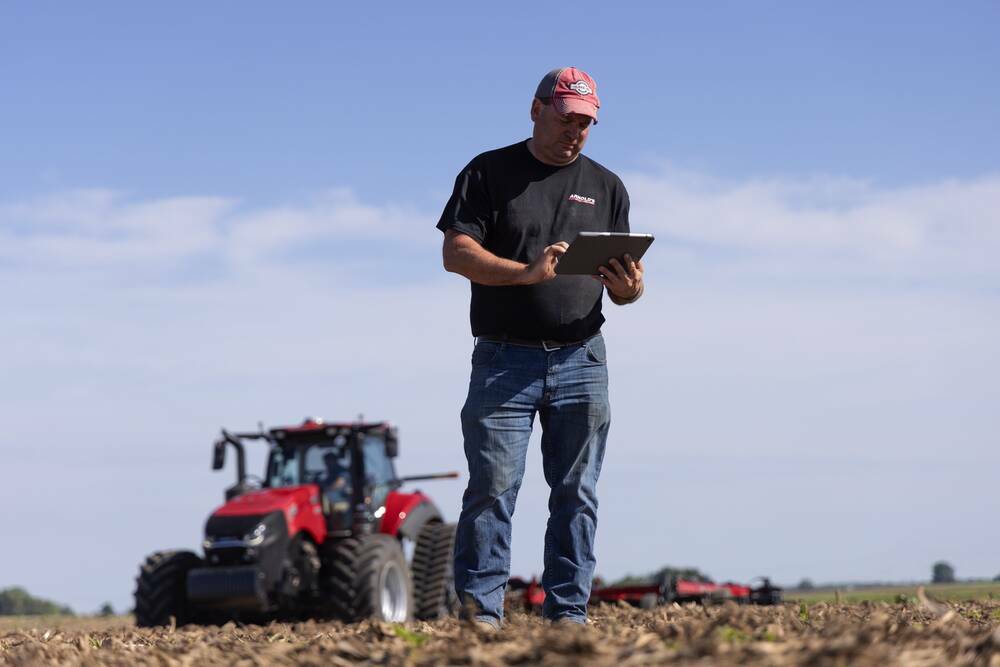
Those are not problems that go away with better models. In some ways, they become more important because more recommendations are coming, faster and with more confidence behind them.
What these systems may change is how agronomists spend their time. Less time pulling data together. Less time building base recommendations from scratch. More time stress-testing those recommendations, adapting them to local conditions and helping farmers decide what to act on and what to ignore.
There’s also a practical layer to this that didn’t get as much attention on stage. These tools do not just appear on farms fully formed. They need to be set up, calibrated and understood. Someone has to translate them from a product into something that actually works in a field.
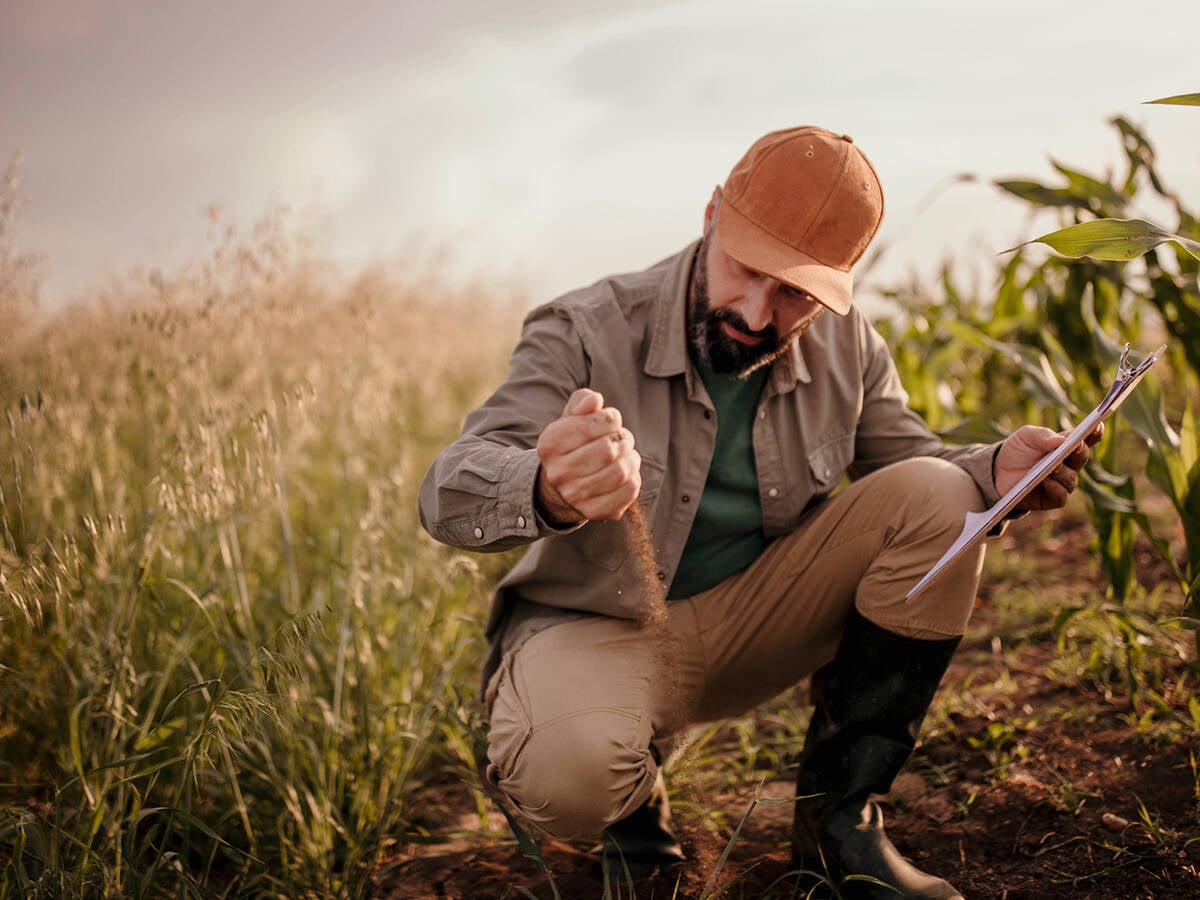
One discussion on soil health touched on a more basic issue: even something as fundamental as soil testing is not fully standardized. Results can vary depending on how samples are taken, handled and processed.
That is an opportunity.
It suggests there is still a role for the local private agronomist — someone who knows the region and their customers, understands local soil conditions, along with insect and disease pressure, and someone who farmers know personally and trust.
The role doesn’t disappear, it changes
It’s easy to frame new technology as a threat to existing roles, but agriculture has a way of absorbing new tools and reshaping the jobs around them.
GPS did not eliminate the need for farm agronomists. Variable rate didn’t either. They changed the conversation.
This one feels different. These systems are starting to take on the interpretation work that has traditionally defined farm agronomy. However, the pattern is familiar.
The technology is moving quickly, that much is clear. However, it’s still being tested against the same reality. Fields, weather and economics have a way of exposing weak ideas.
On-farm agronomy does not sit outside that process. It’s part of it.
If anything, the need for people who can bridge the gap between what a system suggests and what actually works on the ground will only grow.