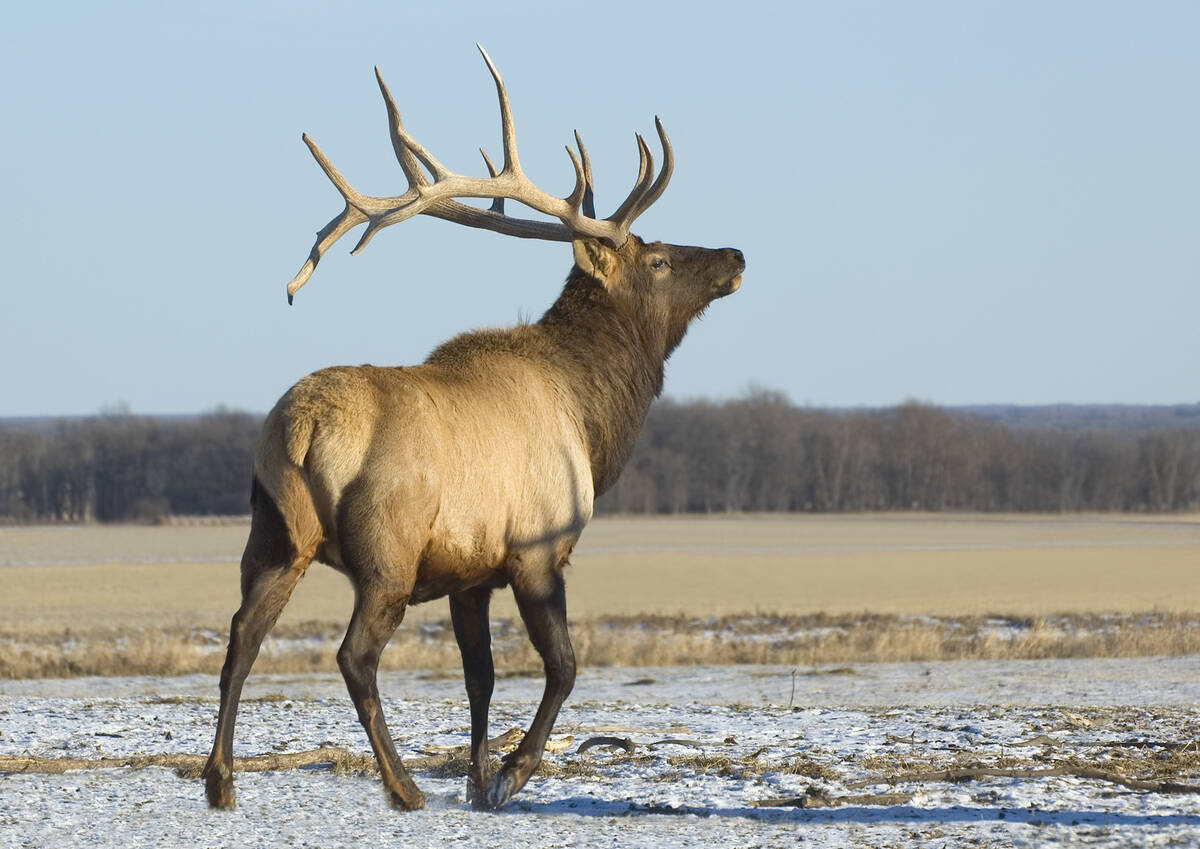
Manitoba Beef Producers will press the province to rein in elk and deer populations, expand fencing supports and improve compensation for wildlife damage after members passed a slate of resolutions at their recent annual meeting last month.
Wildlife concerns
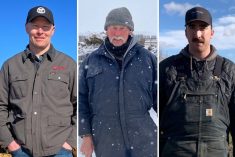
Incoming president Arvid Nottveit said wildlife pressures have become a dominant issue for producers across the province.
“The elk population just really exploded, and we have to work with producers to mitigate the effects of that,” he said.
Read Also
Double cropping trial targets cattle feed boost in Alberta’s irrigation belt
A new five-year Farming Smarter study is testing double cropping systems for cattle feed production under irrigation in southern Alberta.
A provincial report from back in 2011 put Manitoba’s elk population as stable around 6,500 animals.
The 2023 big game survey, meanwhile, estimated elk numbers around Manitoba’s Porcupine Mountains, Duck Mountains and Turtle Moutains. The survey reported a minimum 107 in the Porcupine Moutain surveyed region, 625 in the southwestern region around the Turtle Mountains and 1,158 in the Duck Mountains.
That survey covered only patches of the province, however, and did not include major elk region Riding Mountain National Park. The Government of Canada estimates about 1,800 elk in the national park.
WHY IT MATTERS: Manitoba beef producers are pushing for real fixes on elk, predation and Crown lands while bracing for trade uncertainty and tighter margins behind today’s strong cattle prices.
Predation from wolves and bears is another hot button issue. Wild boars are also becoming more of a problem as their populations continue to grow in Manitoba, Nottveit added.
Last April, the federal and provincial governments launched the Livestock Predation Prevention Program, a permanent successor to the industry-led pilot project that ended in 2023.
Resolutions approved by delegates at MBP’s annual general meeting, held in Brandon on Feb. 11 and 12, include continued lobbying for provincial analysis of elk and deer populations, financial assistance for fencing and compensation for wildlife damage to crops.
Producers are also increasingly concerned about feed losses and herd health impacts tied to wildlife.
Wildlife and disease concerns intersect with broader traceability discussions that have surfaced in recent months. It is important that producers facing disease outbreaks are supported appropriately, Nottveit said.
“I really want to make sure that ranchers that have disease outbreaks on their herds are treated fairly and … it’s as stress-free a situation as can possibly be.”
Past president Matthew Atkinson said wildlife damage, particularly from elk, has also been a major file during his six years on the board.
“Wildlife issues have really dominated, both in terms of the predation on livestock as well as impact on crops, from largely elk, but from wildlife in general,” he said.
Crown lands unsettled
Alongside wildlife advocacy, MBP continues to push for long-term stability on Crown lands.
“We need a long-term, stable plan going forward,” Atkinson said. “We need that to be settled and consistent.”
He acknowledged the file has created divisions within the membership.
“It’s either a major priority or it’s no priority at all,” he said.
Last October, the province extended its rental rate freeze on Crown land forage leases into the 2026 growing season.
Trade uncertainty
Trade uncertainty and the upcoming CUSMA review with the United States and Mexico remain on the radar, though provincial influence is limited.
“It’s a hard thing to negotiate our way through,” Atkinson said. “It’s not a typical negotiation.”
Nottveit highlighted the critical need to sustain robust cross-border cattle movement, given the close integration between the Canadian and U.S. beef industries.
Strong prices, tight margins
Despite high cattle prices, both leaders cautioned that rising input costs continue to squeeze margins.
Atkinson called the current market strength “overdue,” but said producers must use the opportunity wisely.
“It’s time that we start looking at … the tools available to us to make them as profitable as we can and to ensure that we can be profitable when things aren’t at their highs and move ahead from there,” he said.
For Nottveit, the focus in the coming years will be on practical supports that help grow Manitoba’s cow herd, which sits at historic lows.
“There’s a lot of work that can be done still, to make it viable for young people, especially to make a living raising cattle in this beautiful province,” he said.
Note: A previous version of this story mistakenly reported Manitoba’s estimated elk population at 605. The Co-operator regrets the error.