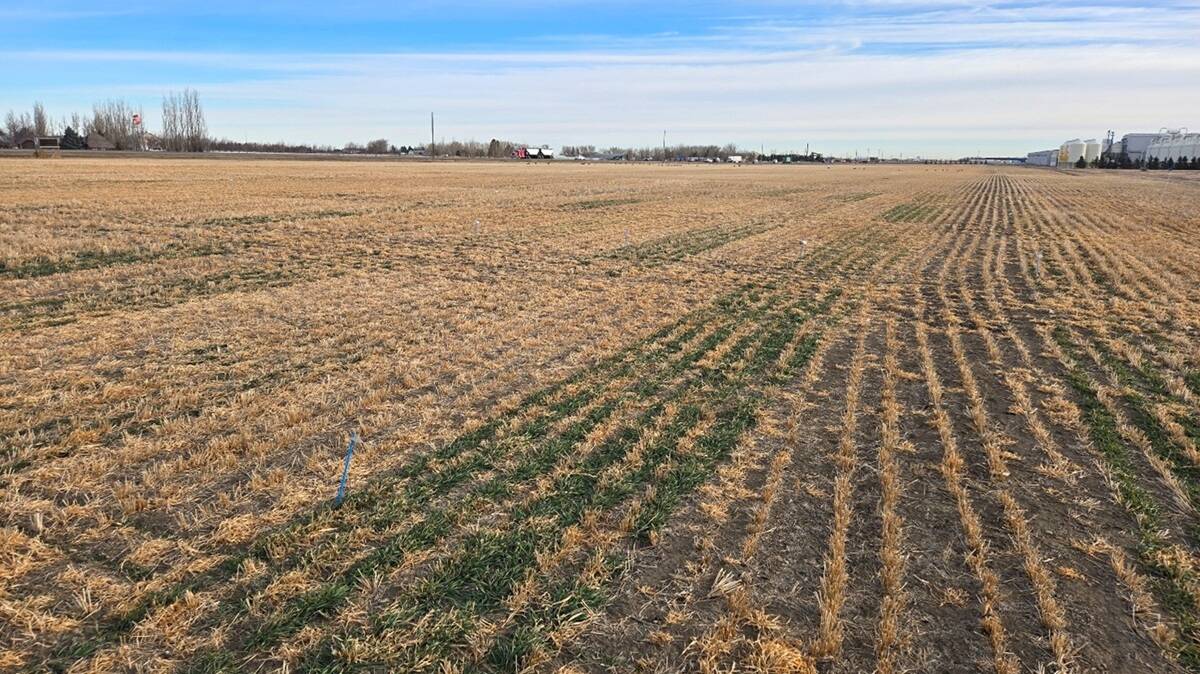
Double cropping — planting and harvesting two crops in a single growing season — might seem like the ideal crop strategy on paper. Double your crop, double your returns.
Quite a bit can go wrong, it turns out, at least when attempted on most Prairie acres.
There are a few reasons for this, but chief among them is a daylight deficit: there simply isn’t enough to grow two single-season crops to spec. The practice also requires substantially more water than the Prairies are generally blessed with.
Read Also
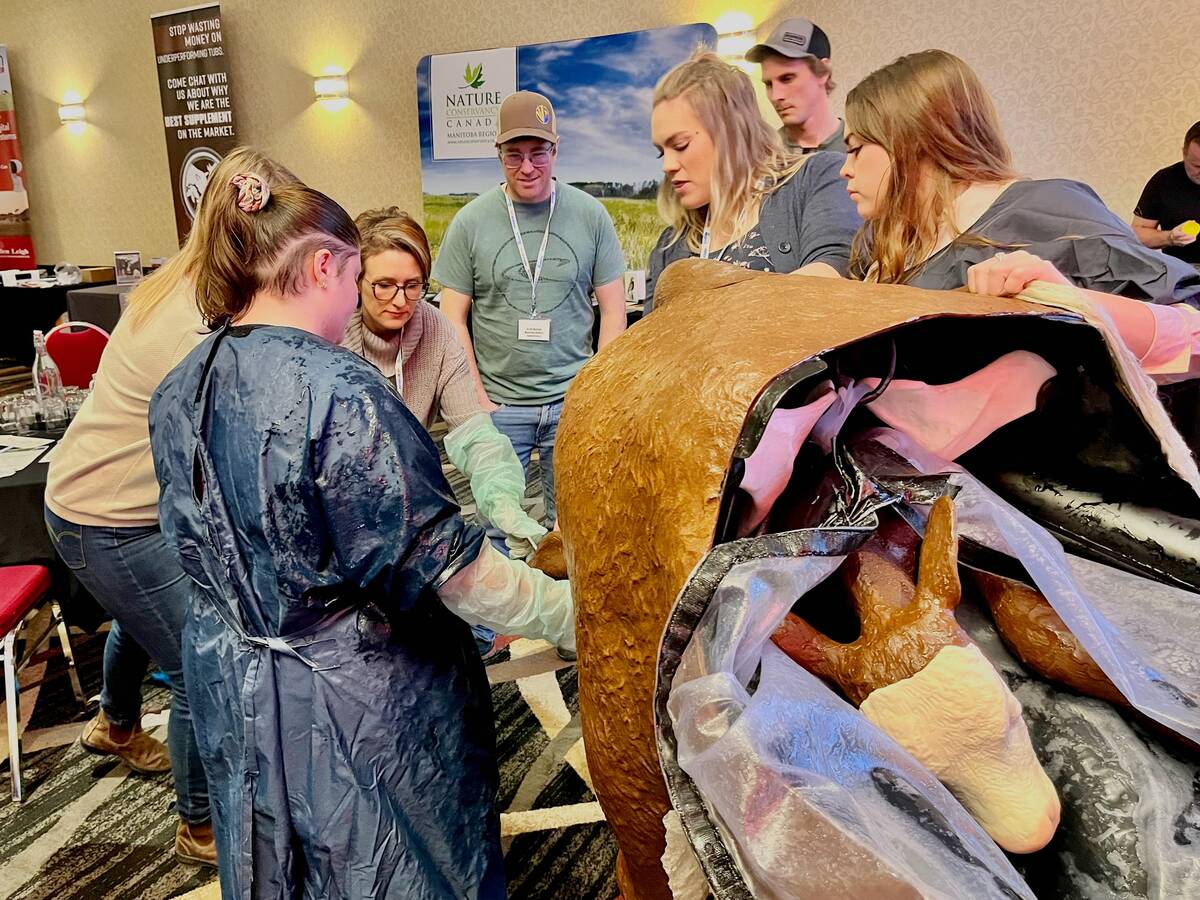
When should you use a calving jack — and when should you stop?
Knowing when to reach for the calving jack — and when to put it down — can mean the difference between a live pair and a dead cow.
This is why double cropping’s potential in Canada is largely limited to southern Alberta’s irrigation belt — and even there, it’s mostly restricted to crops grown for silage feed.
WHY IT MATTERS: Manitoba beef producers facing tight feed margins have a stake in research that could expand the cattle feed supply from western Canada’s irrigation belt. A new five-year Farming Smarter study is testing which double cropping systems deliver the best yields and feed quality — data that could inform purchasing and sourcing decisions for producers across the Prairies.
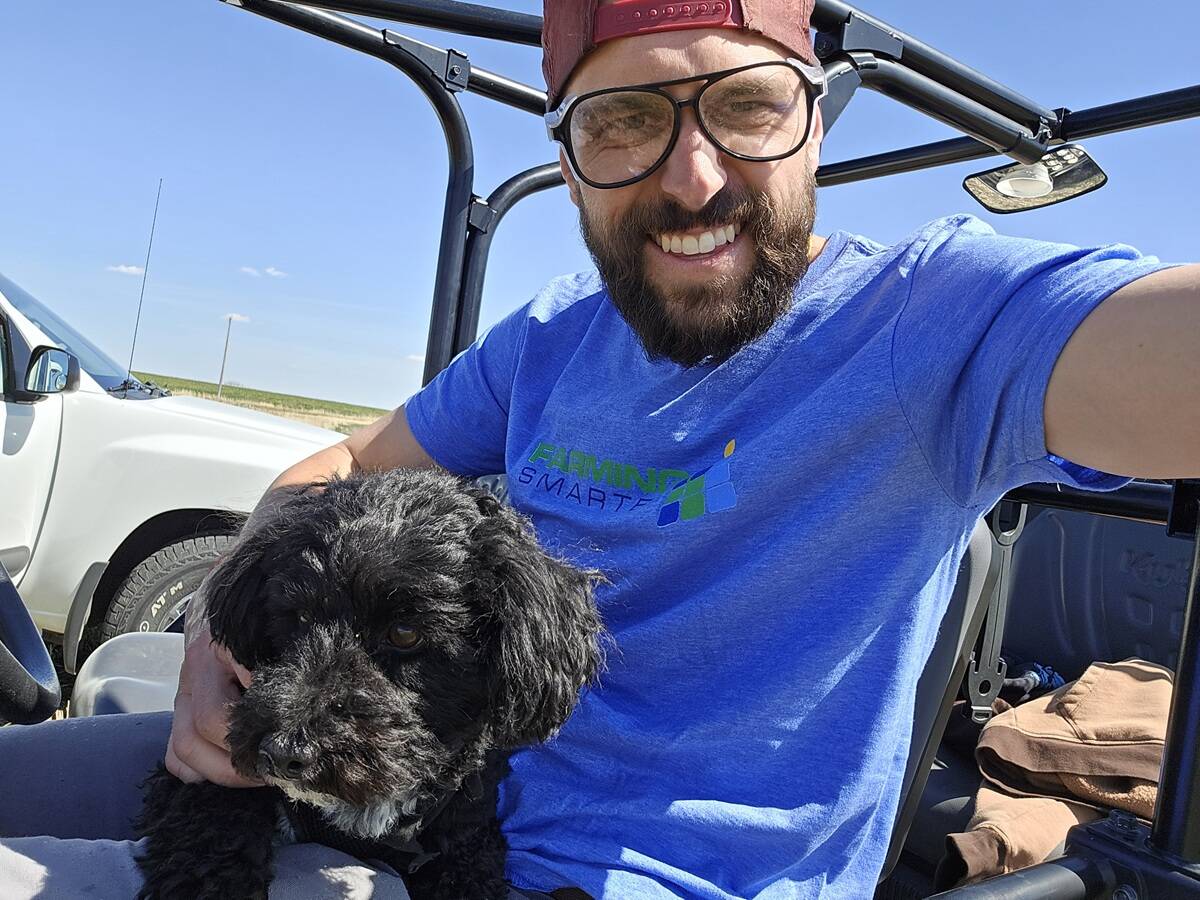
“Once you add cattle into the mix — or feed into the mix — there’s a whole extra layer of interesting questions and things that we can look at,” says Gretzinger.
The study is focused on providing the beef cattle industry with the double cropping combinations that will deliver the highest yields and the highest quality feed, according to the project’s research paper, available on the Farming Smarter website. Recent improvements in crop genetics and options such as hybrid fall rye and short-season corn have made updated research in this area overdue, it notes.
Double cropping vs. other sustainable practices
With sustainable cropping practices multiplying, it can be difficult to tell one from another. Gretzinger offers a primer.
Double cropping means planting two crops sequentially in a single growing season — in this context, cutting both for cattle feed. Cover cropping, by contrast, is specifically intended for fall or spring coverage, with the goal being crop termination rather than harvest.
“Relay cropping would be essentially seeding one crop into another crop that’s already there.… Intercropping just means growing them at the exact same time,” he says.
What the study is testing
The primary objective of the study, which started last fall, is to evaluate the best crop types and harvest timings to maximize yield and quality when using double cropping for cattle feed production under irrigation in southern Alberta.
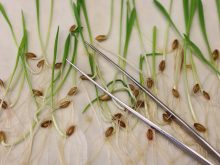
To do that, researchers will determine the best winter cereal crop for double cropping among hybrid fall rye, winter wheat and winter triticale; identify the optimal harvest timing for an initial silage crop; determine the most effective second crop; and deliver an economic analysis including return on investment measurements.
The first crops of hybrid fall rye, winter wheat and winter triticale were planted last fall near Lethbridge and Coaldale, Alta.
“And then we’re going to do a cut in late May and another cut in early June, so we’ll take the silage from that,” says Gretzinger.
“The late May [seeding] will allow us to kind of hit a normal seeding window. So we’ll go in and seed oats, barley, corn and sorghum.”
Research plots will be directly seeded into canola stubble using no-till plot drills to replicate on-farm conditions. Each plot measures two by six metres. All seeds will be treated with dual fungicide/insecticide, with nitrogen, phosphorus and potassium applied based on soil test results.
Throughout the season, plots will be measured for stand, vigour, canopy closure, biomass, forage yield, maturity, feed quality, soil moisture and crop emergence.
“And then we’ve got a chunk of funding to do the quality analysis, so that’ll be sending it to a lab for getting things like relative feed value, NDF, ADF — all those kinds of things that producers want to know for feeding,” says Gretzinger.
(NDF stands for neutral detergent fibre; ADF is acid detergent fibre — both measure a sample’s fibre content.)
Why five years matters
Measuring results over five years is a deliberate choice. Consistency is as important as peak performance, because a practice that works brilliantly in one season but fails in several others is not a workable system for producers.
The knowledge gained through the study will help “enhance agricultural productivity, improve water and nutrient use efficiencies and improve economic outcomes for beef cattle producers in southern Alberta and ensure long-term viability for beef cattle feed production,” according to the project abstract.
Two risks to watch: green bridging and herbicide carryover
Double cropping carries some specific risks producers need to manage.
Green bridging is one. Overlapping cereal crops with insufficient time between them can create a pathway for wheat streak mosaic virus.
“It’s a would-be vector for wheat streak mosaic if you have a cereal crop and then another cereal crop right after and you don’t have enough time in between,” says Gretzinger.
Herbicide carryover is the other major concern — and arguably the most operationally complex.
“If you’re spraying products with residual for wild oat control and then you want to grow an oat as your second crop — which is a common choice — you’re obviously not going to be able to do that. There’s lots of things that are going to be specific to exactly what you’re trying,” he says.
Double cropping’s growing role in biofuels
Beyond cattle feed, double cropping is emerging as a strategy for sustainable aviation fuel (SAF) feedstock crops such as camelina.
Bayer recently announced Newgold, a multi-crop seed brand designed specifically for low-carbon intensity biofuel feedstock crops earmarked for renewable diesel and SAFs. The Canadian launch includes spring and winter camelina for planting in southwestern Saskatchewan and southeastern Alberta.
“Winter camelina can be double-cropped with soybeans or other summer crops, letting farmers grow two crops in one season,” says Shaun Corneillie, canola, cereals and biofuels business lead with Bayer.
“It may require less inputs than other core crops in rotations and performs well in low-rainfall areas, making southwest Saskatchewan and southeastern Alberta a nice fit agronomically.”