

(Photo courtesy Canada Beef Inc.)

U.S. livestock: CME live cattle, hogs continue gains for second day

Chicago | Reuters — Livestock futures traders continued to hunt for cover on their short positions Thursday, resulting in Chicago Mercantile Exchange cattle futures climbing a second day after prices slid to contract lows earlier this week. The Chicago Mercantile Exchange saw live cattle and feeder cattle futures on Wednesday bounce back strongly from contract

(Harrisvaccines.com)

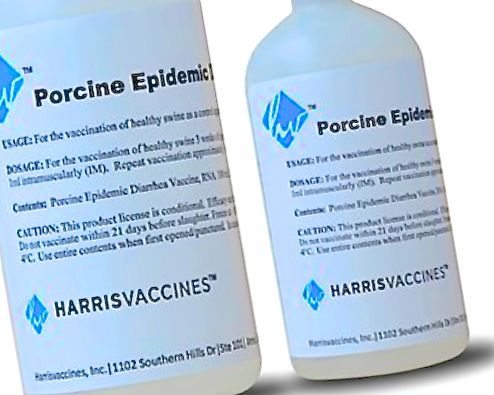
Merck to buy Harrisvaccines to boost livestock portfolio

Chicago | Reuters — Merck and Co.’s animal health unit will buy privately-held Harrisvaccines to expand its portfolio of animal vaccines as the U.S. livestock industry seeks new defenses against diseases, the companies said on Thursday. Financial details were not disclosed. The deal, which is expected to close by year-end, follows rival Zoetis’ agreement, announced


(Photo courtesy Canada Beef Inc.)

U.S. livestock: CME cattle, hogs surge on bargain-buying after selloff

Chicago | Reuters — The Chicago Mercantile Exchange saw live cattle and feeder cattle futures bounce back strongly from contract lows on Wednesday, with prices hitting their daily limits as traders snapped up bargains and investors covering their short positions. Meanwhile, CME lean hog futures also saw a turnaround as traders bet that contract lows,


(Photo courtesy Canada Beef Inc.)

U.S. livestock: Live cattle, feeders fall to contract lows on fund selling

Chicago | Reuters — U.S. live cattle and feeder cattle futures plunged to contract lows on Tuesday while lean hogs also extended recent losses, pulled down by ample supplies of animals for slaughter, and meat in storage. Expectations for lower cattle prices in cash markets also weighed. Live cattle and feeder cattle had declined by

(Photo courtesy Canada Beef Inc.)

U.S. livestock: Technical trading, holiday fears sour hog, cattle futures

Chicago | Reuters –– The Chicago Mercantile Exchange saw all of its live cattle and all but two feeder cattle futures contracts fall by the daily trading limit on Monday, pressured by technical selling and weakening wholesale beef prices, traders and industry analysts said. Meanwhile, CME lean hog contracts continued their slump on Monday, dropping


(Manitoba Co-operator file photo by Laura Rance)

Manitoba extends fertilizing deadline to Saturday

A warmer-than-usual November has allowed Manitoba’s conservation and water stewardship department to delay its winter fertilizing ban until Saturday (Nov. 14). With soil temperatures not yet at the freezing point, the province announced Monday it would extend its deadline for spreading of phosphorus and/or nitrogen, including synthetic fertilizers and/or manure, to Nov. 14 from Nov.

(Regis Lefebure photo courtesy ARS/USDA)

U.S. livestock: Lower cash prices again send CME hogs to six-year low

Chicago | Reuters –– Chicago Mercantile Exchange lean hog contracts drifted to a six-year low for a second straight day on Friday as plentiful seasonal supplies pulled prices for market-ready (cash) hogs lower, traders said. Spot December finished 0.4 cent/lb. lower at 55 cents, and February ended down 0.3 cent at 58.3 cents. Cash hog


CME Lean Hog Weekly nearby (chart as of Oct. 28, 2015)

Drozd: Reversal pattern alerts producers to downturn in lean hog market

The hog market took four years to climb, but only nine months to fall back

Lean hog futures have been on a slippery slope since the bull market rally ended in July 2014. The nearby futures contract went from a historical high of $133.875 per hundredweight to $57.775, losing 57 per cent of its value in only nine months. To put the enormity of this collapse in perspective, it took

It remains to be seen whether the WHO report will be enough to encourage consumers to shun the traditional Christmas ham this year.


Bacon fans stay loyal, but futures wobble

Last week’s WHO report is just the latest blow to the U.S. meat industry

Standing at the meat counter at a Mariano’s grocery store in Chicago, a half-dozen customers bantered with the butchers about the recent World Health Organization report linking processed meat to colorectal cancer. “Give me two pounds of bacon,” said Roland Marks, 47, a software engineer, rolling his eyes. “I’ll take my chances.” It is too