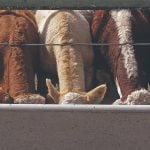
New rules aimed at preventing nationwide border ban

winnipeg / reuters / Canada and the U.S. have agreed to maintain livestock and meat trade during animal disease outbreaks using a new system that targets trade bans more precisely by region. The new system, which won’t take effect until after consultation with industry groups and details are worked out, would prevent a full border


Horsemeat found in British burgers

Burger King, one of the most popular fast-food chains in Britain and Ireland, said Jan. 24 it had stopped using one of the firms caught up in the scandal of supplying grocers with beef that contained horsemeat. The British food industry has been rocked by the revelation last week that retailers including market leader Tesco

Hitting the sweet spot

If Calvin Vaags has his way, Manitoba will have a federally inspected ruminant slaughter plant capable of handling 1,000 head per week up and running within a year. After three years of preparation, work has started on a $13-million expansion at Plains Processors, a small processing plant with a capacity of 80 head per week


Japan opens door wider for Canadian beef

Japan, the No. 4 customer for Canadian beef, has agreed to accept meat from animals 30 months or younger as of Feb. 1. Shipments had been restricted to meat from cattle 21 months and younger, a safeguard against BSE. Agriculture Minister Gerry Ritz and Martin Unrau, president of the Canadian Cattlemen’s Association, told a news


Beef packing and Manitoba

Calvin Vaags was up front in saying the decision to host a “media” event Jan. 26 at the Plains Processors facility near Carman was about credibility. After three years of planning, lining up finances and preparation, he wanted people to see for themselves that the earth has started to move to make way for the


Cargill to idle its Plainview, Texas, beef plant

chicago / reuters / U.S. agribusiness giant Cargill Inc. said Jan. 17 it will idle its Plainview, Texas, beef-processing plant on Feb. 1 due to tight U.S. cattle supplies brought on by years of drought in the Southern Plains states. “The U.S. cattle herd is at its lowest level since 1952. Increased feed costs resulting