
Videos

Faces of Ag

Duguid named to MFGA Wall of Fame

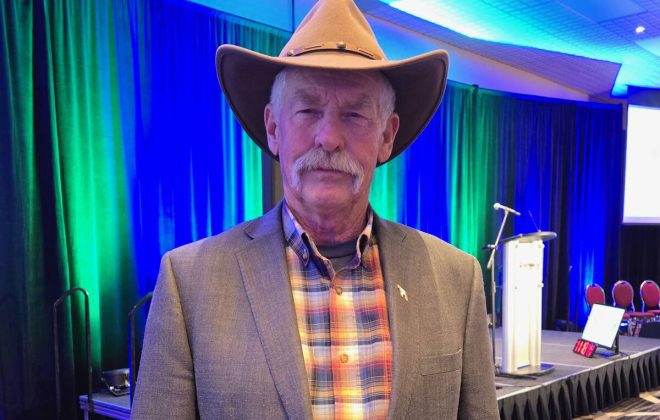
Interlake farmer Mike Duguid has become the latest to join the Manitoba Forage and Grassland Association’s Wall of Fame. The mixed farmer and long-time board member was named to the honour Nov. 12, during the MFGA’s annual regenerative agriculture conference in Brandon, an event that, as 2025 conference committee chair, he helped bring about. WHY arrow

Deep Dive

Recent Articles

Cleaver scoops national award

For anyone involved with the Provincial Exhibition of Manitoba over the last few decades, it’s likely hard to imagine the organization without Kathy Cleaver. Cleaver’s name has been a consistent presence within the committees of the Provincial Exhibition of Manitoba, the organization that brings three major Brandon ag fairs to fruition year after year. From

Recovery will be a long haul, says Canadian Foodgrains Bank

For some families in countries without social safety nets, surviving the COVID-19 pandemic has forced them to eat less or sell assets that might have helped them recover, says the Canadian Foodgrains Bank. “The numbers of people who will be experiencing hunger are going up,” said Musu Taylor-Lewis, director of resources and public engagement at

Women more likely to run non-conventional farms: report

While women are less likely than men to farm in Manitoba, inequality appears to be lower for women in direct marketing or non-conventional farms, according to a recent report from the University of Manitoba. “There is a dynamic that women face that young men don’t face entering farming, but I also think that that’s changing

Young farmers spurred by fundamental human reasons: study

Young farmers’ motivations to farm despite the obstacles they face are striking and important, says an author of a new study from the University of Manitoba. Researcher Annette Desmarais said she was glad, perhaps a bit surprised to see young farmers wanted to farm so they could spend time with family, be closer to nature, and feel

Manomin Project restoring wild ‘rice’

Knowledge keepers at Niisaachewan Anishinaabe Nation estimate their ancestors harvested 500,000 pounds of manomin (wild rice) every year from the shallow bays along the Winnipeg River. The nutrient-rich food — not a rice, but a cereal — historically helped families make it through harsh winters, writes Samantha Mehl­tretter, a researcher on the Manomin Project. Beginning in the