
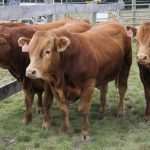
While it is important to be aware of risks associated with feeding canola forage, it may provide an alternate forage for drought-stricken livestock producers.

Drought-stressed canola possible forage for livestock

It can work as an emergency source, but some risks need to be managed

Drought stress has resulted in poor canola stands that are unable to be harvested. Poor canola stands may provide an alternate forage option. “Livestock producers facing forage shortages may be able to feed their cows canola, provided they take certain precautions,” says Miranda Meehan, North Dakota State University Extension livestock environmental stewardship specialist. “While canola makes palatable feed, it may
(Valerie Loiseleux/iStock/Getty Images)

‘Time is ticking’ on drought response for beef cattle sector

'We need answers like yesterday'

As Canada’s beef farmers and ranchers face drought, industry leaders are trying to find ways to secure feed and help those forced to sell rebuild their herds. B.C. ranchers are dealing with high temperatures that have “parched the grass that was there,” Kevin Boone, general manager of B.C. Cattlemen’s Association, said during a Canadian Cattlemen’s


Critically dry pasture in the RM of Fisher shows little growth in July after only three weeks of grazing.

Feed fears come into focus after poor first cut, flagging pasture

Livestock producers are facing yet another year of both poor first-cut yields and ongoing pasture concerns

Producers are seeing their fears realized with light hay cuts and pasture supplies once again running thin. With the exception of very localized patches of the southeast, which are seeing almost normal growth, most producers harvested 50 to 70 per cent of their normal forage in the first cut, according to John McGregor, hay expert

Farmer and Grainews columnist Toban Dyck inspects wheat on July 6, 2021 near Winkler, Man., where hot and dry weather has led to thin, uneven stands. (Photo: Reuters/Rod Nickel)

Saskatchewan raises salvage threshold for parched crops

Stock watering program also boosted; APAS, Tories' ag critic had called for more drought aid

Saskatchewan’s provincial crop insurance agency is raising the yield threshold at which drought-damaged crops can be grazed, baled for greenfeed or cut for silage with no penalty on future coverage. Saskatchewan Crop Insurance Corp. said Wednesday it would double the “low yield appraisal” threshold values on cereal or pulse crop acres put to feed. SCIC


This field of alfalfa in Manitoba’s Interlake on June 12 got a boost with recent precipitation, but many forage crops are stunted due to cool temps and very dry soils this season.

Cream of alfalfa crop to come up short

Dairy producers anticipate alfalfa shortfall as high quality first cut approaches

Growers targeting high quality alfalfa are typically rolling by mid-June, but this year’s dairy quality hay might involve a lot of driving for little yield. David Wiens, chair of the Dairy Farmers of Manitoba, said he expects stand quality to be high, but that yield will likely to fall shy of normal. Alfalfa crops, “look

Second list of Crown lands opened for hay

Second list of Crown lands opened for hay

Producers have until June 21, after the province announced a second list of Crown lands opened for haying due to concerns of looming poor forage

Livestock producers have one more week to put their names in the hat for an extra list of Crown lands opened for haying this year. On May 18, the province announced that parcels of wildlife management areas and non-agricultural Crown land would once again be listed for casual hay permits, echoing similar provisions made in


Pasture records can be critical to making informed choices in a year with drought conditions.

Pasture records key tool in drought decision-making

Hard management decisions only get harder if the farmer only has a ballpark figure on pasture supplies

Knowing exactly what you can expect out of a pasture can put producers on better footing when making hard management choices during drought, producers and grazing experts say. If the season continues as it has been so far, despite May rains across the Prairies, there will be hard decisions in plenty. Most land in Manitoba

“Rest and recovery is very important and that can increase forage production significantly.” – Shawn Cabak.

Rescuing future forage

One livestock expert has some tips on jump-starting new stands and squeezing production out of Manitoba’s currently stressed forage lands

No one can change the weather but producers may still be able to limit the hit to hayfields, if not for this year, then at least in the future. Manitoba’s livestock and forage producers seem poised for yet another year where dry weather takes centre stage. Shawn Cabak, livestock and forage specialist with the province,


Silage is one way to make the most of annual forage crops during a dry year.

Making the case for annual forages

With another dry year looming, producers may want to do whatever they can to set their annual forages up for success

A season staring at drought conditions is no year to leave feed on the table, and producers may want a more deliberate plan to make the most of their annuals. After three years of short pastures, producers will be used to the province urging them to consider annuals for feed. Greenfeed has been an often-repeated

File photo of cattle grazing on Prince Edward Island. (ArodPEI/iStock/Getty Images)

Eastern drought zones set for livestock tax deferrals

Regions designated in P.E.I., N.S., N.B., Quebec

In a decision that may have come late for some, New Brunswick, Prince Edward Island and parts of southeastern Quebec and northwestern Nova Scotia have been declared drought zones for eligible livestock producers’ 2020 tax purposes. The federal government on Monday released its list and map of prescribed drought regions where tax deferral on sales