Prairie farmers may soon have a new ally in the fight against crop pests — one that fits in their pocket.
A new mobile app in development at the University of Saskatchewan promises to identify field insects instantly, map local populations and deliver management advice.
WHY IT MATTERS: Tracking pests and beneficial insects in real time could help farmers make quicker, better-informed pest management decisions and cut unnecessary pesticide use.
Read Also
THROWBACK: Targeting your fertilizer needs using the 4Rs
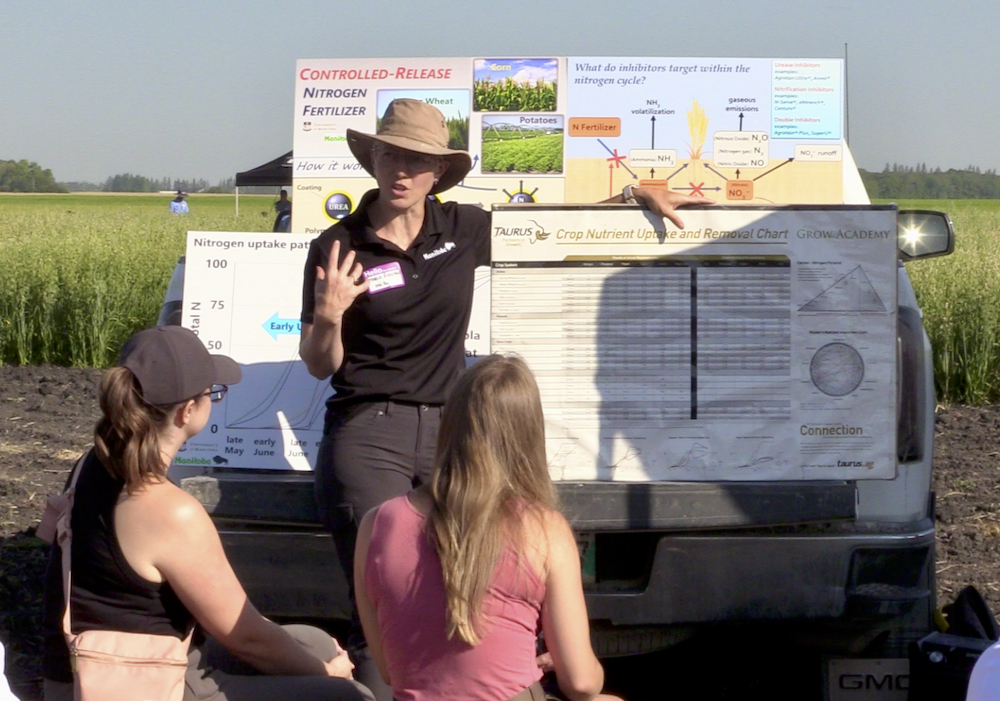
Marla Riekman with Manitoba Agriculture talks about the 4Rs and the effective use of fertilizers when growing crops.
The app, called IPPM Now, is expected to combine artificial intelligence (AI), geospatial data and entomology expertise to turn a smartphone photo into real-time agronomic insight. Its developers say it recognizes both harmful and beneficial insects.
Farmers could therefore learn not only what insect they’re dealing with, but whether pressure has reached economic thresholds and what conservation steps might protect beneficial species.
“It will be super useful for farmers, agronomists and scientists scouting insect pests,” says project lead Teresa Aguiar, a PhD student at the University of Saskatchewan. “Scouting takes a lot of time, and the information from researchers, agronomists and farmers is often disconnected.”
From photo to field map
Each image submitted through the app is tagged to a rural municipality, not to an exact GPS point, to protect user privacy. Those records build a colour-coded map that shows where pests, pollinators and biocontrol insects are active.
“We want a practical tool that integrates insect identification, spatial reference, data collection and management recommendations in one platform to make decisions with all the variables involved in pest management,” Aguiar says.
Smart traps and sweep-net scouting
Alongside the app, Insect Track Solutions, the Saskatoon-based startup commercializing the project, is testing a smart trap that photographs insects and uploads images to the same AI model used by the app, identifying and counting adult insects automatically.
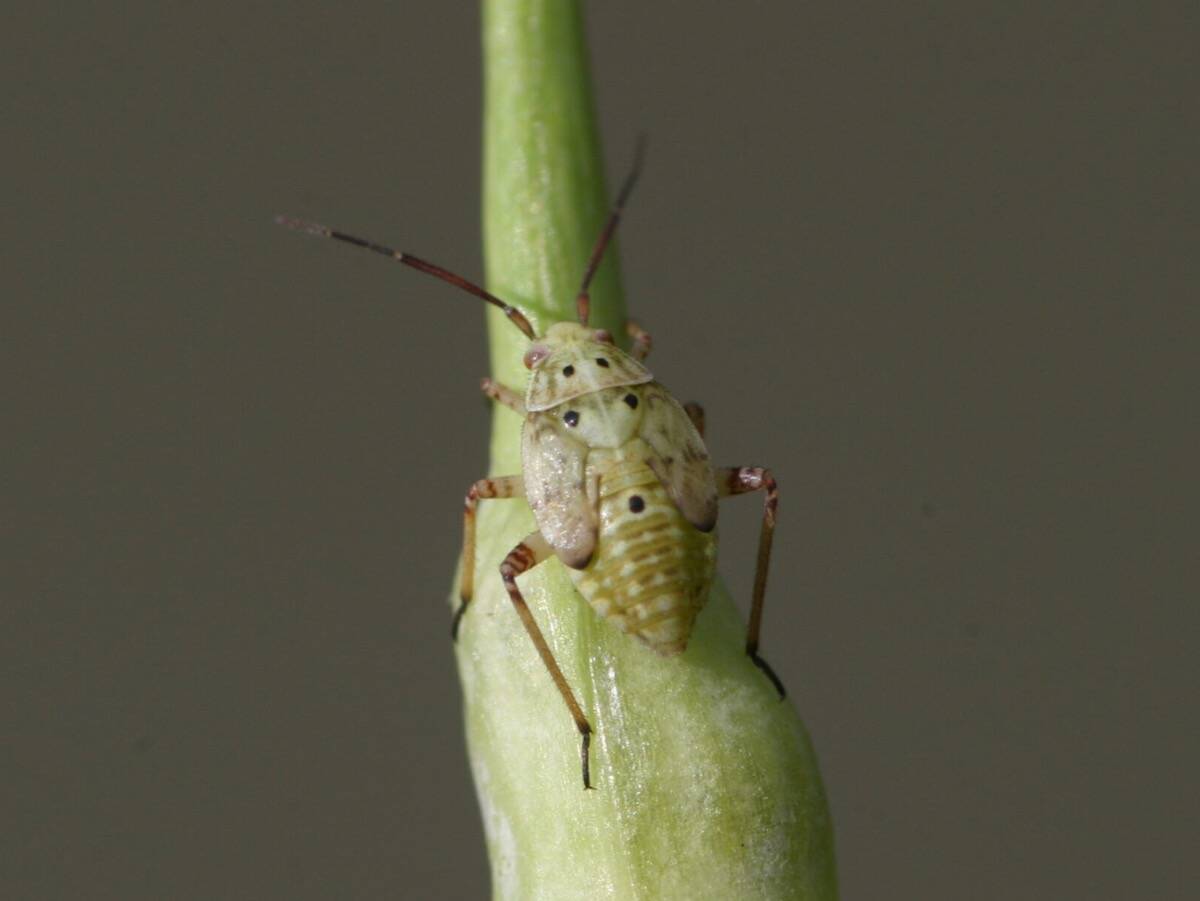
Because sticky cards only capture flying adults, Aguiar’s team also designed a simple, low-tech workaround for ground or juvenile stages.
“To solve this problem, make a sweep and then put that sweep in a ziplock bag with a white background and take a picture of that ziplock bag using our mobile app,” she says. The model can then identify and count nymphs and instars in the sample, giving a fuller picture of population levels.
What the app can do today
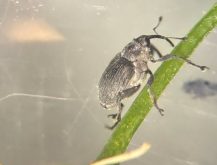
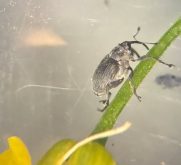
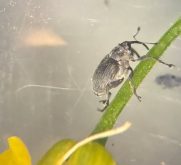
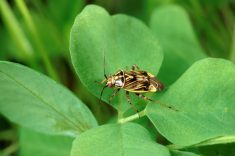
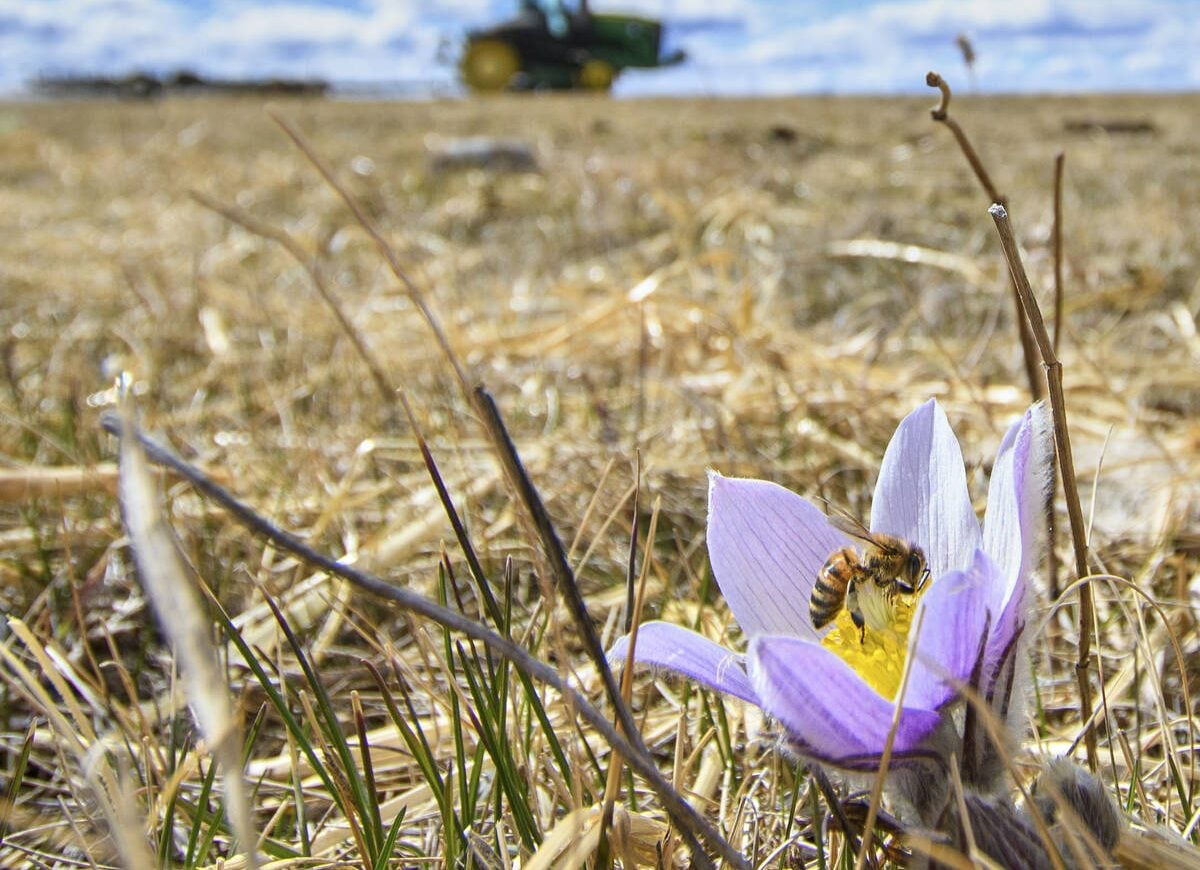
The prototype version already supports canola and wheat and recognizes 10 key insect groups common to the Prairies. Pests include lygus, flea beetles, grasshoppers and weevils; beneficials include lacewings, lady beetles, hoverflies, bumblebees and honeybees. The app draws on field data and photo libraries, including data and images supplied by Manitoba entomologist John Gavloski, to keep improving its accuracy toward species-level ID.
Future updates will broaden crop coverage and add weather and growth-stage links to help predict pest risk or pollinator timing.
Beta testers wanted
Before IPPM Now officially launches this spring, developers are inviting farmers, agronomists and crop scouts to test it out. Beta users will get early access, provide feedback on design and function, and can volunteer to host free smart-trap trials in 2025.
Aguiar says user input will guide the final version.
“We are sending beta testing invitations. If you’re interested, we can put the app in your phone early access to give us feedback and help us to shape the app and get it ready for next season.”
Farmers and agronomists interested in early testing or hosting field validation sites can contact Insect Track Solutions Inc. via email.