
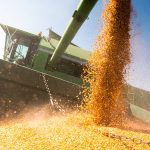
(Dave Clark photo courtesy ARS/USDA)

U.S. grains: Corn jumps three per cent, most in seven months

Chicago | Reuters –– Front-month U.S. corn futures rose three per cent on Wednesday, their biggest single-day advance since September, on short-covering and concerns about planting prospects in the Midwest, analysts said. Concerns about South American weather lent support. Soybean futures also charged higher, buoyed by chart-based buying and data showing strong demand from China,




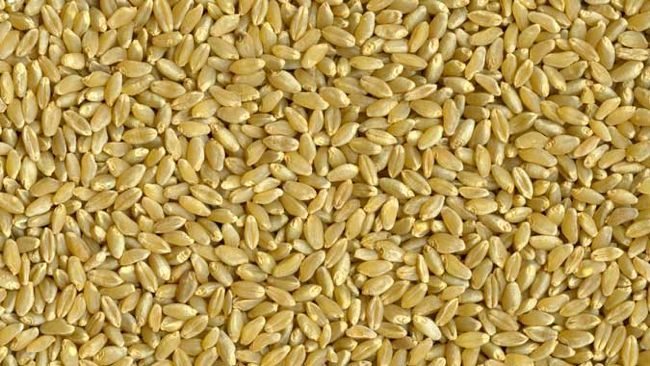


(Keith Weller photo courtesy ARS/USDA)

U.S. grains: Soybeans retreat from August peak

Chicago | Reuters — U.S. soybean futures slumped on Monday as traders took profits after prices reached their highest point since August on technical buying and last week’s government forecast for lower-than-expected plantings. Corn prices ended mixed as traders digested the U.S. Department of Agriculture’s (USDA) estimate for much larger-than-expected U.S. plantings of the yellow

It might be feed, but it’s not necessarily feed wheat

It might be feed, but it’s not necessarily feed wheat

Reporting winter wheat as feed wheat, 
just because it happened to be fed to animals, 
ignores the true grade of the crop

Just because you’re selling winter wheat into the feed market, doesn’t mean you should report it to crop insurance as grading “feed.” While doing so won’t affect a claim, or your individual long-term coverage, it could over time negatively affect the province-wide crop insurance grade guarantee for winter wheat, which currently is No. 3 Canada