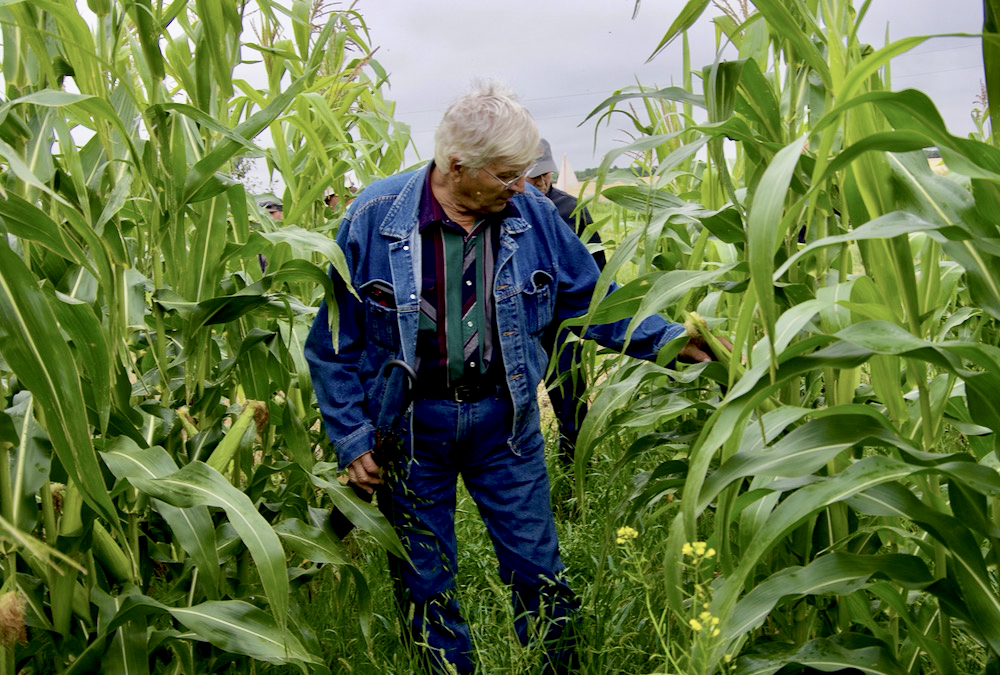
A network of “Smart Farms” dedicated to jumpstarting on-farm technology has added a Manitoba name to their roster.
The Manitoba Beef and Forage Initiatives (MBFI), an applied research and demonstration farm north of Brandon, has joined the Pan-Canadian Smart Farm Network, it was announced Feb. 2.
The network, spearheaded by Olds College of Agriculture and Technology out of Alberta, will “accelerate the development and adoption of agriculture technologies across Canada by providing a platform for knowledge transfer and dissemination of information related to the utilization of technologies and data for Canadian agriculture,” according to its website.
Read Also
Canada’s farm safety net wasn’t built for this kind of drought
Canada’s business risk management programs were designed as a safety net for one-time shocks. Experts say multi-year droughts are exposing a structural gap — and the fix requires a fundamental shift from paying for losses to preventing them.
The ultimate goal, according to the network, is helping producers manage risk and encourage sustainability while bolstering productivity.
Why it matters: More sites mean more comprehensive research and deeper connections for the Pan-Canadian Smart Farm Network.
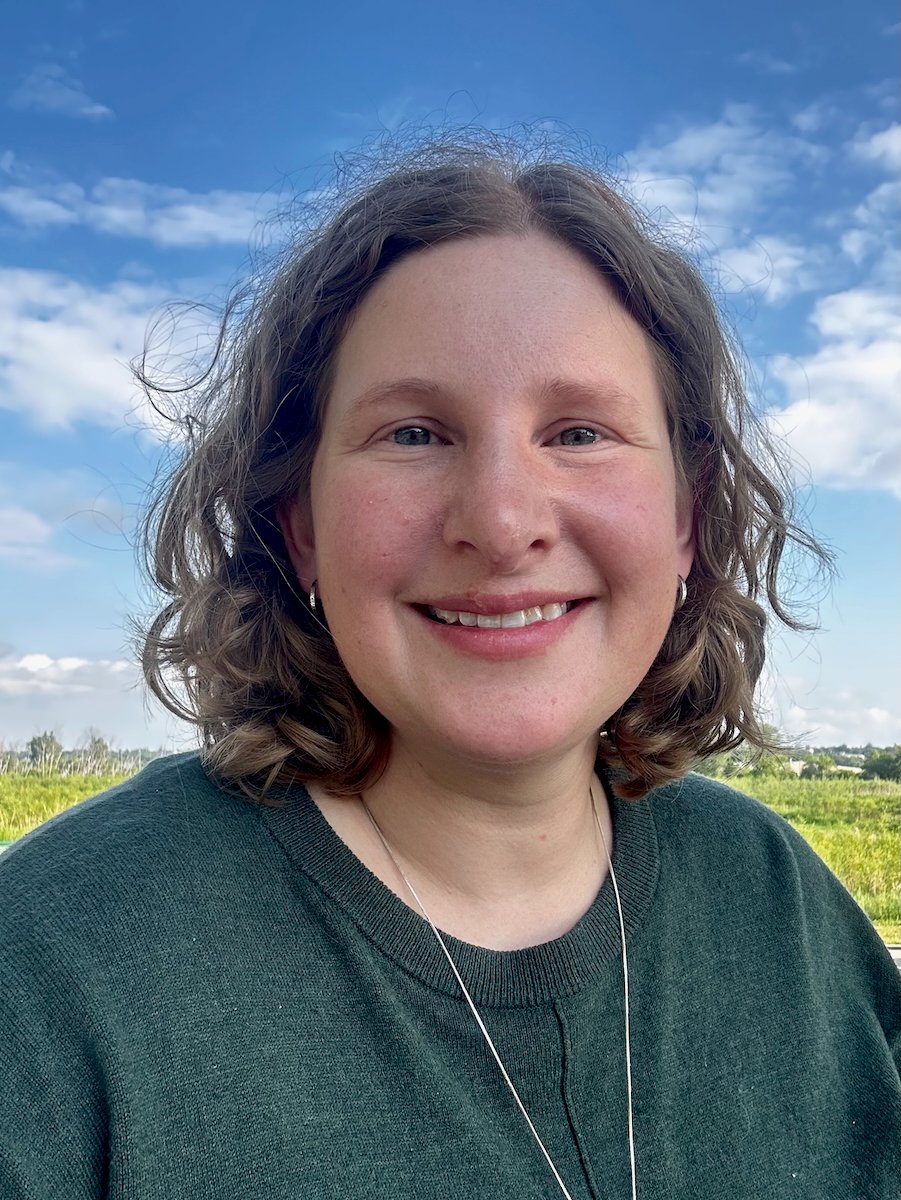
“What it means for us is, primarily, accessing this group of experts and expertise and their experiences doing similar work to what we’ve already been doing,” MBFI general manager Mary-Jane Orr said.
Evaluating on-farm technology was, after all, among MBFI’s original mandate from its industry stakeholders and the provincial government, and has been an ongoing feature of its work.
The new partnership “really allows us to be not re-inventing the wheel,” Orr said. “MBFI is a small not-for-profit organization. We work with all the universities in Manitoba and with Ag Canada [Agriculture and Agri-Food Canada], but this allows us kind of a gateway access to have monthly conversations with institutions that are similarly doing work that we are doing, but they may come at it from a different angle.”
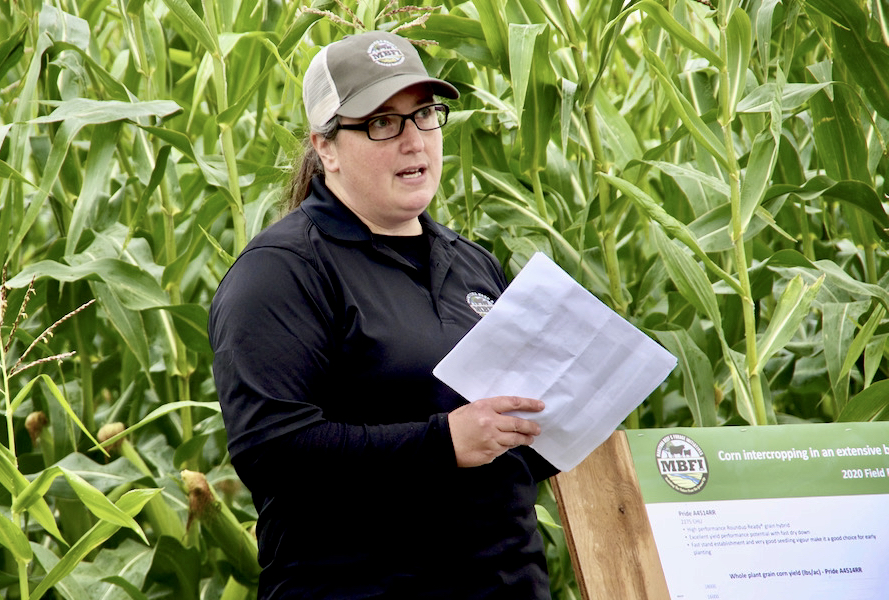
Issues one organization might be having with a certain technology might be collectively tackled, she said. Information can be widely shared and more connections can be fostered with start-ups and industry.
MBFI has become the fifth site, and the first in Manitoba, to join the network.
The $2.9-million initiative was launched in 2021, having been topped off by $1.1 million in funding from the Canadian Agri-Food Automation and Intelligence Network.
The network also includes locations like the more crop-focused Glacier FarmMedia Discovery Farm near Langham, Sask., Lakeland College out of Vermillion, Alta., and MBFI’s fellow livestock knowledge hub, the Livestock and Forage Centre of Excellence (successor to the Western Beef Development Centre from the University of Saskatchewan) are also on the list.
Soil, crop and climate sensors are the first project taken on by the network. METOS Canada sensors will be evaluated across the Prairie provinces to gauge their connectivity and the value of their data. The hope is that those sensors can provide better insight into weather modelling, crop pressures like insects and disease, water and crop nutrition management and analysis of field conditions across the geographic range of the network.
Finding the niche
MBFI, whose research focuses on Manitoba’s cow-calf sector and forage growers, will help represent those cross-sections of agriculture within the network, according to Orr.
“We’re really focused on beef and forage production and we come at it from the perspective of what’s going to make the most sense for producers. I think that perspective is really valuable,” she said.
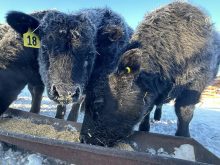
The research and demonstration farm turns to a number of technologies that might be of interest, including rumen monitoring, weather stations, GPS collars and video to gather information on cow behaviour, water bowl sensors that measure water level and temperature in the winter, feed sensors that monitor intake, automatic gates and smart ear tags to monitor reproductive cycles.
The farm’s two sites include projects on different pasture management, forage and annual crop production for grazing, watering systems, soil health and biodiversity, integrated pest management and regenerative agriculture, among others.
Orr linked the network to the idea of breaking down the “silos” that separate agricultural sectors.

It’s “about technology on the agricultural landscape,” she said. “It’s not about putting people in silos. It’s about learning from each other and learning where something you might not think makes sense could be turned a quarter turn and have really huge implications for a different sector.
“Just sharing that information, talking about what companies or what kind of start-ups or what developments are happening and being a part of the conversation all of the way through really accelerates, hopefully, that validating vetting of what works on the landscape as well as identifying new opportunities that you might have missed if we stayed in our silos.”
The announcement further expands agricultural zones and land bases the network can draw data from and evaluate different technologies in, according to Joy Agnew, associate vice-president of applied research at Olds College.
That, in her mind, can only be a good thing. Data drawn from a single climate zone, in a single region is less valuable than multiple data points.
“With additional partners come additional opportunities in applied research and education that will help producers maximize technology and data when they’re making those sometimes tough farm management decisions,” she said.
Furthermore, a more expansive network also means more heads around the table when it comes to brainstorming solutions and putting them to the test.
Orr does not expect anything to change on the ground at MBFI this year.
“One exciting element is there is an interest in doing a common project across all the Smart Farms in the network. So we’re having conversations right now in terms of what that common project could look like and how it might be adaptable to each farm station,” she said.