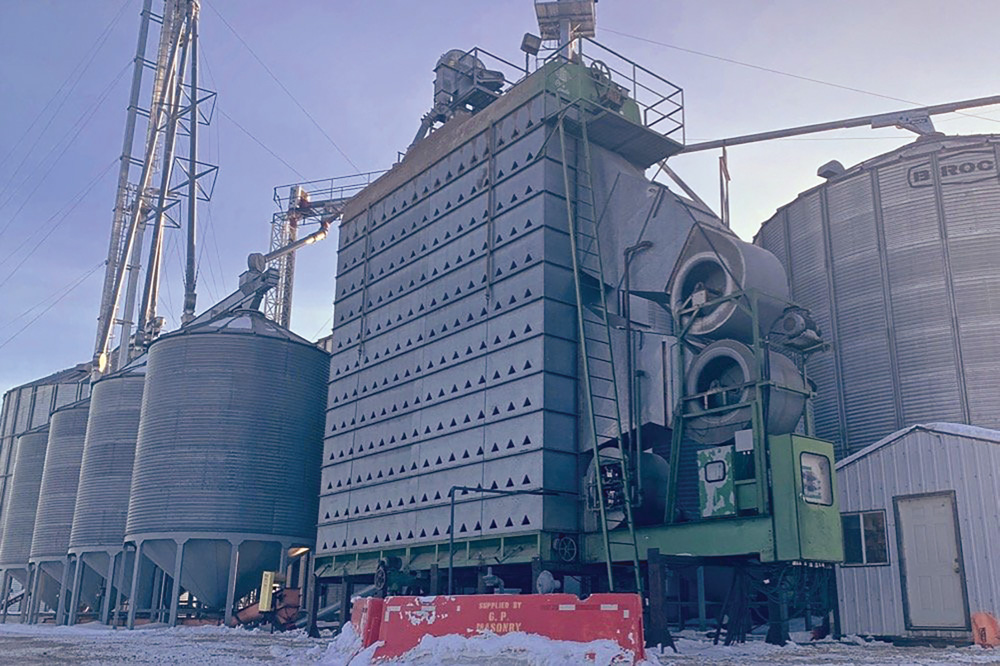
A widely supported law intending to exempt grain-drying costs from federal carbon pricing might not get passed, despite gaining enough support from MPs.
Canada’s Senate adjourned on June 29, and isn’t scheduled to return until Sept. 21.
If an election is called in the interim, as many expect, legislation not passed by the Senate effectively dies.
Conservative Party MP Philip Lawrence saw this iteration of his Bill C-206 start working its way through the House of Commons in September, 2020.
Read Also
Neutral conditions drive 2026 weather as La Niña subsides
U.S. government meteorologist expects there will be neutral ENSO conditions for the 2026 farm growing season.
Aimed at offering financial relief from carbon pricing for farmers drying grain, the bill is widely supported by industry groups and MPs outside of the governing Liberals.
Minister of Agriculture Marie-Claude Bibeau had been lobbied since 2019 to offer a broader exemption from carbon costs than what was already being offered to producers.
An evaluation of grain-drying costs provided by some provincial governments and producer groups was done in 2019 by Agriculture Canada. That report found the average annual per-farm cost of pollution pricing from grain drying cost between $210 and $774.
In instances where a province has an adequate carbon pricing plan of its own, the federal policy doesn’t apply – the analysis was done using information from provinces subject to the federal government at that time.
Bibeau had previously said carbon costs for grain drying were not having a “significant impact” on farmers’ bottom lines.
But in March, hours prior to a significant vote on Lawrence’s exemption, Bibeau and Liberal colleagues announced their minority government was committed to “new rebates.”
They argued Bill C-206 wouldn’t adequately offer the exemptions it intended to offer, but promised a Liberal-created exemption that would.
Budget 2021 committed the federal government to returning a greater portion of the taxes paid on natural gas and propane. It also introduced a program to assist producers to buy fuel-efficient grain dryers.
While the Conservative and Liberal solutions are different, they both aim to address the cost of carbon costs burdening farmers.