
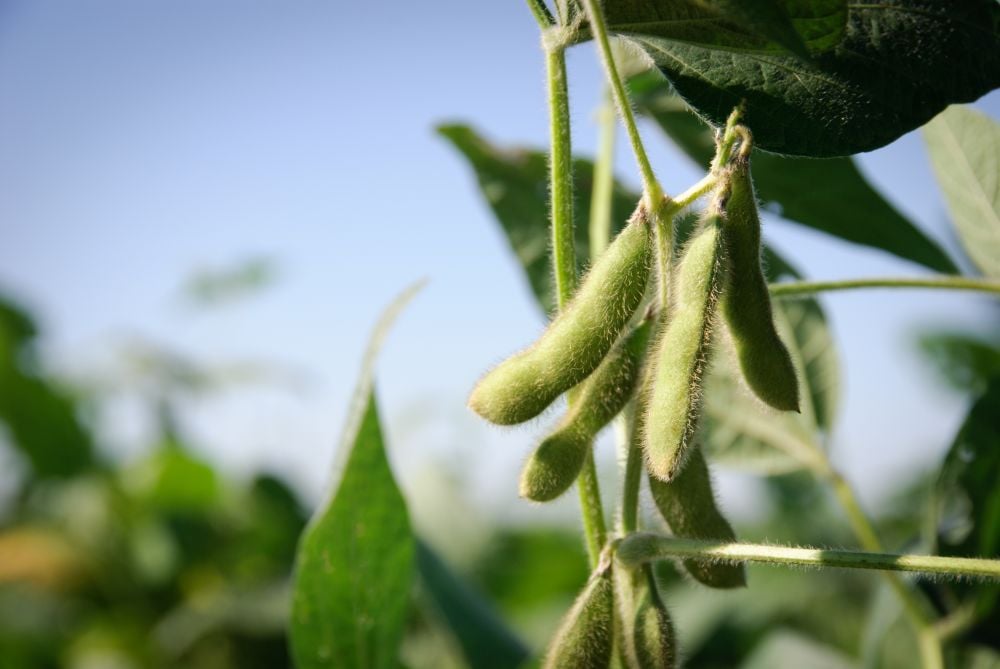


(Medioimages/Photodisc/Getty Images)

CBOT weekly outlook: Trading cautious on Phase One pact

MarketsFarm — Though China and the United States signed their Phase One trade deal on Wednesday, commodity markets remained “extremely cautious,” according to one analyst. Prices were muted at midday following a signing ceremony at the White House, due to the lack of public details regarding the deal. The market is “preparing for disappointment,” according

Estimates show about 14 per cent of the 2019 U.S. corn and soybean crops will be unsold when the 2020 harvest begins.

Comment: What we know about corn and soy estimates

This year could shape up to be at least as challenging as 2019 was

The best way to begin a new year is to start with what we know. For example, we know the U.S. Department of Agriculture’s (USDA) December World Agriculture Supply and Demand Estimate shows that about 14 per cent of the 2019 U.S. corn and soybean crops will be unsold when the 2020 harvest begins next


U.S. WASDE and Phase 1 deal to set tone for 2020

Expect North Dakota’s halted harvest to show up this week in USDA’s estimates

As the next supply-and-demand report from the U.S. Department of Agriculture (USDA) is scheduled to be released Jan. 10, traders in commodities markets will spend the next several days positioning themselves. The monthly world agriculture supply-and-demand estimates (WASDE) can set the tone in the markets for the next while, depending on its data. The belief

CBOT March 2020 soybeans with 20-, 50- and 100-day moving averages. (Barchart)

U.S. grains: Wheat, soy hit 2018 highs

Chicago | Reuters — U.S. grain and soybean futures hit 2018 highs to start the new year as traders continued to expect increased Chinese demand once Washington and Beijing ink an initial trade deal. The gains on Thursday extended annual advances from 2019, a year marked by farmer stress over the U.S.-China trade war and


Crops not yet harvested stand out in USDA data

Crops not yet harvested stand out in USDA data

U.S. farmers’ propane supplies are also still coming up short

One noticeable element in the latest world agricultural supply-and-demand estimates (WASDE) released by the U.S. Department of Agriculture (USDA) on Dec. 10 was the amount of crops left in the field, especially corn. Much of the report was a rehash of the previous November estimates, as is most often the case. The December WASDE is usually


CBOT December 2019 wheat with 20-, 50- and 100-day moving averages. (Barchart)

CBOT weekly outlook: WASDE yields mixed results

MarketsFarm — World agriculture supply and demand estimates (WASDE) from the U.S. Department of Agriculture (USDA) have turned out largely bullish for wheat values, bearish for corn and neutral for soybeans on the Chicago Board of Trade (CBOT). The report, released Tuesday, lowered U.S. wheat stocks by 40 million bushels to total 947 million tonnes,


(Medioimages/Photodisc/Getty Images)

CBOT weekly outlook: Corn waits for news

MarketsFarm – Commodities on the Chicago Board of trade were range-bound and “starving for news” at midweek. Scott Capinegro of Barrington Commodity Brokers in Illinois noted that the December corn contract started the month at US$3.88 per bushel, and was currently at US$3.8850. “It went absolutely nowhere,” he said. Snowstorms in North Dakota, South Dakota,