
U. S. grain trade unfazed by China export talk

The United States, the world’s top grain exporter, will feel little impact should China end its one-year hiatus on corn and wheat exports, said traders Dec. 31. China is expected to authorize exports of 500,000 tonnes of corn and 500,000 tonnes of wheat in 2009, which would barely put it among the top 10 exporters
Mexico clears U. S. meat plants

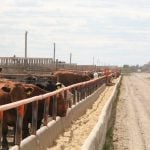
USDA confirmed Dec. 30 that Mexico has approved 20 of 30 suspended U. S. meat plants to resume shipments to that country. The 30 meat plants, which produce beef, pork, and poultry, were suspended from shipping to Mexico the previous week due to sanitary issues like packaging, labelling, and transport conditions, USDA and Mexican officials


Dairy cows need personalized care

It may no longer be possible to give each cow in the dairy barn her own name, but treating cows as individuals could help them live longer. The Dairy 2007 USDA survey reported 5.7 per cent of cows died on-farm across the country in 2006. That’s an increase from 4.8 per cent in the 2002

Vilsack to face food subsidy issues in top ag job

Tom Vilsack, a former governor of the top corn-and soybean-producing state of Iowa, was set to be named next agriculture secretary by U. S. president-elect Barack Obama, Democratic officials said Dec. 16. Vilsack, a lawyer, will oversee one of the largest federal departments with 100,000 employees and a $95 billion annual budget, the bulk of


2009 to see strength, acreage the big question

For three-times-daily market reports from Don Bousquet and RNI, visit “ICE Futures Canada updates” at www.manitobacooperator.ca Grain and oilseed f u ture s at the ICE Canada futures market closed the year with a lightly traded choppy tone as prices generally worked a bit lower. There was little fresh news. Canola climbed almost to $400

Cheaper feed prices on horizon

A surge in surplus U. S. corn supplies due to sluggish demand from an ailing ethanol sector and the economic turmoil portends weaker prices, but could provide some relief to the food and livestock industry. The U. S. Agriculture Department took traders and analysts by surprise Dec. 11 by reducing the amount of corn to


USDA needs to improve slaughter inspection: report

The U. S. meat inspection system has flaws that may create food safety risks, although the problems that forced a California packer to conduct the largest meat recall ever are not widespread, according to a federal review. The audit by USDA’s inspector general came after a videotape released Jan. 30 showed Hallmark/Westland Meat Co. workers

U. S. finalizes meat label rule, WTO dispute looms

The White House is on track to finalize rules that require country-of-origin labels on meat sold in U. S. grocery stores and are challenged by Canada as a violation of world trade rules, officials said Dec. 10. Labelling became mandatory on Sept. 30 under an interim rule. The Agriculture Department says it will allow a


Rich U. S. farmers cash in

Too many rich farmers continue to receive U. S. farm subsidies in spite of income caps designed to restrict their participation, and the Agriculture Department needs to do more to enforce the rules, the auditing arm of Congress said on Nov. 25. More than 2,700 people whose gross income topped $2.5 million – making many

USDA economist sees more corn, less wheat

U. S. farmers will plant close to 90 million acres of corn in 2009 and cut back a bit on wheat, the Agriculture Department’s chief economist said Dec. 2. Chief economist Joe Glauber said at a conference sponsored by Farm Journal magazine that grain and soybean prices would remain volatile because of tight supplies. Food