
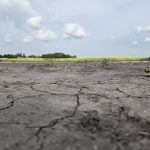
U. S. Farmland May Be Carbon Sink

The Conser vat ion Reserve, which pays owners to idle fragile U. S. farmland, could become one of the largest carbon sequestration programs on private land, an Agriculture Department official said March 25. Some farm-state lawmakers say efforts to reduce greenhouse gases could result in a payoff in rural America because some agricultural practices, such

U. S. To Check If Farmer Income Too High For Subsidy

The government will check U. S. tax forms so it doesn’t pay crop subsidies to ineligible rich Americans, the administration said March 19. “The goal is to limit excessive payments while providing for fairness to family farmers,” said Treasury Secretary Tim Geithner in a statement. President Barack Obama has pledged to close farm-program loopholes that


Canada’s Share Of World Wheat Market Drops

Shares of the world wheat market in the upcoming 2009-10 crop year are expected to decline for both Canada and the U. S. from 2008-09, with the EU-27, Ukraine, Russia and Argentina picking up most of that decline. The five top major wheat-exporting countries include the U. S., Canada, Australia, the EU-27 and Argentina, according

U. S. Cattle Fattening Up As Beef Sales Slow

“The real problem is demand.” U. S. cattle have been gaining weight instead of earning money for producers these days, but beef sales should speed up during the spring grilling season. The average weight of steers and heifers set monthly records in January, and February, and remained large in March, according to the Livestock Marketing


Consumers Still Fret About Grain Prices

Uncertainty over U. S. spring plantings of corn and soybeans and recent weakness in the dollar have brought a resurgence in grain prices that spells fresh headaches for consumers and food makers this year. The commodities, at the base of a food chain that feeds into hundreds of supermarket products, from oils to starches to

Glen Nicoll – for Mar. 26, 2009

Considering that BSE broke more than five years ago, the Canadian beef cow herd contraction has only sizably shown up in the last few years with 2008 showing the largest shrinkage at six per cent. The 2.5 million cows of ’03 ballooned to 5.6 million by the next year. We have been right around five


U. S. Needs Mandatory Livestock Traceback — Lawmakers

The U. S. government should require livestock producers to enrol in a traceback system, a primary U. S. defence against mad cow disease, because voluntary signups are not working, two key congressmen said on March 11. The chief veterinarian at the Agriculture Department said at a House Agriculture subcommittee hearing “it is time to reassess


U. S. Dairy Farmers Want Subsidies

Adairy group on March 18 asked the Obama administration to respond to a plunge in milk prices by subsidizing U. S. dairy exports and buying dairy products for donation to poor Americans. The National Milk Producers Federation says the average cost to produce milk in January exceeded the price of milk by 25 per cent.

U. S. Lawmaker Blasts China Food Safety

The United States has “serious issues” with food imports from China and needs to do more to prevent contaminated products from entering the U. S. food supply, an influential House lawmaker said March 18. At the same time, Washington needs to toughen up its own outdated food safety laws after a series of food recalls